Amazon Accelerates Satellite Launches in 2026
Following a recent launch failure, Amazon is shifting its Kuiper satellite deployment strategy to rely on SpaceX and Arianespace to maintain its constellation schedule.
Table of Contents4 sections
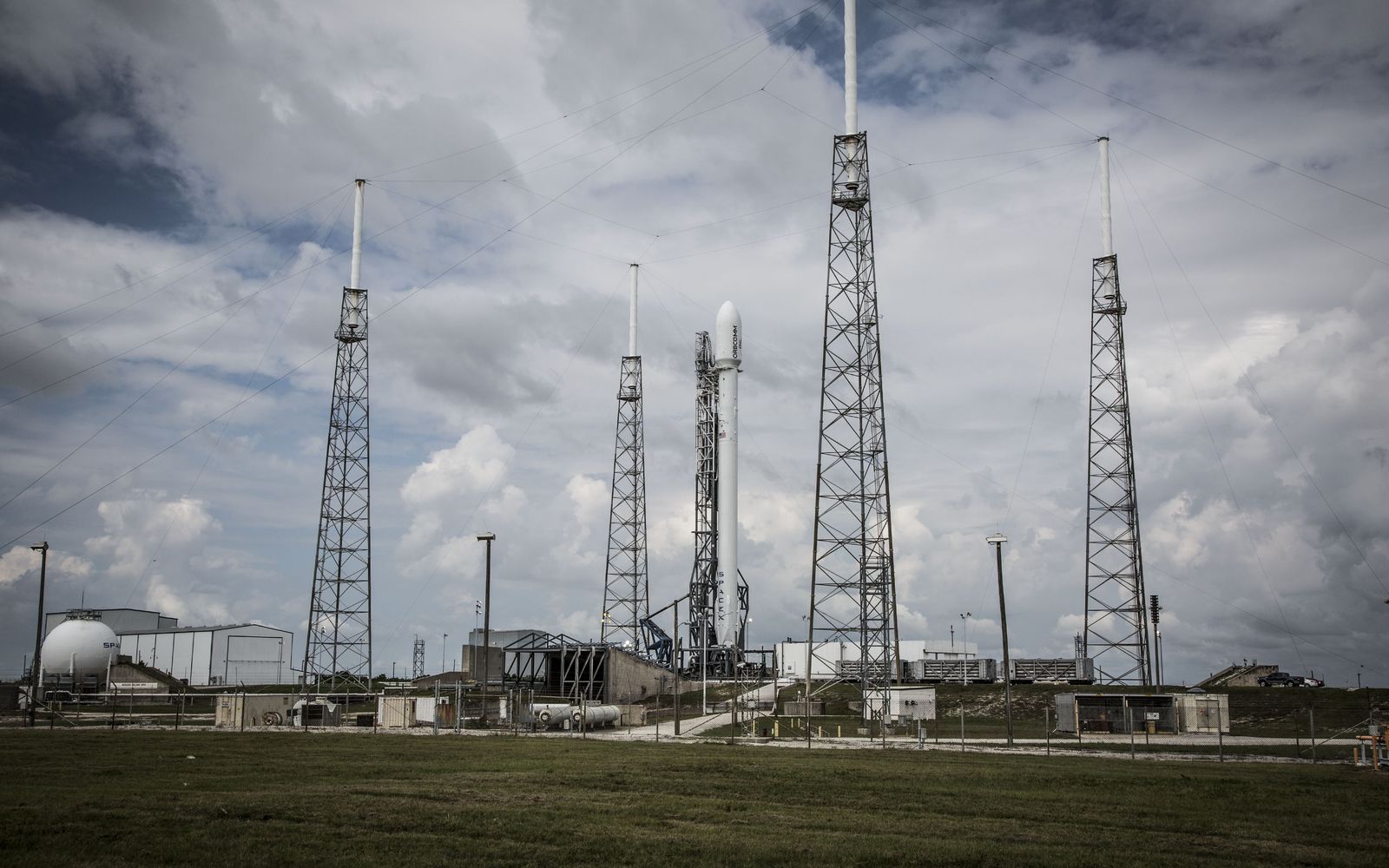
On November 24, 2026, Amazon successfully expanded its satellite fleet as an Ariane 6 rocket placed 36 additional broadband satellites into orbit. This mission, launched from French Guiana, brought the company’s total orbital count to 432 units. The successful deployment follows a period of significant volatility for the project’s launch logistics, as reported by Ars Technica. This event marks a critical milestone in the company’s efforts to maintain its deployment cadence despite recent setbacks in the aerospace sector.
Strategic Shift in Launch Provider Reliance
The recent success with Arianespace highlights a strategic pivot for Amazon as it navigates ongoing instability among its primary launch partners. The company is actively accelerating its use of SpaceX Falcon 9 rockets to compensate for delays and service interruptions experienced with other providers. This shift is a direct response to the need for consistent deployment windows, which are critical for maintaining the project’s orbital timeline. Organizations managing complex deployment workflows often face similar challenges, and developers can Design Publishing Queues That Survive Image Provider Outages to ensure operational continuity when external service providers fail to deliver as expected. By diversifying its launch manifest, Amazon aims to insulate its constellation development from the volatility of any single launch vehicle or provider, ensuring that the project remains on track despite the inherent risks of space flight.
Impact of Recent Aerospace Launch Failures
Amazon’s current reliance on a diversified launch portfolio follows a major setback earlier in the month. On November 15, 2026, a United Launch Alliance (ULA) Vulcan rocket mission failed, resulting in the total loss of 40 Amazon satellites. This incident significantly disrupted the company’s deployment cadence and forced a reevaluation of its launch schedule. Furthermore, the broader aerospace landscape remains constrained by the status of Blue Origin’s New Glenn rocket, which has been grounded since an explosion occurred at its Florida launch facility in May 2026. These combined factors have forced Amazon to prioritize flight-proven launch vehicles to mitigate further risks to its constellation development. The loss of 40 units represents a substantial portion of the planned fleet, and the reliance on alternative providers like SpaceX and Arianespace has become a necessary tactical adjustment to recover lost momentum.
Outlook for the Satellite Constellation
Despite the loss of hardware in the November 15 failure, Arianespace has maintained a consistent performance record, completing four successful Ariane 6 flights for Amazon throughout 2026. While the company has successfully reached 432 satellites, the long-term impact of the Vulcan failure on the overall constellation schedule remains an unknown. Amazon has not provided specific details on how the loss of those 40 units will affect its final deployment targets or the timeline for initial service availability. The company’s ability to meet its future milestones now depends heavily on the reliability of its remaining launch partners and the speed at which it can integrate additional Falcon 9 missions into its existing launch manifest. As the company continues to monitor the status of its launch partners, the industry will be watching to see if this diversified approach can provide the stability required for the full-scale deployment of the constellation.
Continue Exploring
You Might Also Like

Enterprise SaaS Onboarding Best Practices
Learn how to improve enterprise SaaS onboarding with role-based guided workflows, first-value milestone tracking, and measurable adoption metrics.
Generative AI Product Discovery
Practical guidance for product teams utilizing generative AI for product discovery, focusing on source verification, evidence checkpoints, and workflow trade-offs.

AI Generated User Personas Guide
Practical guidance for product teams researching AI generated user personas, including a persona template with explicit evidence labels and a walkthrough of the creation process.