Architecting Hybrid AI Agent Systems and Mobile Integrations
An in-depth technical guide examining how to design local LLM automations, native mobile architectures with Jetpack Compose, and robust DevOps pipelines for modern AI industry projects.
Table of Contents5 sections
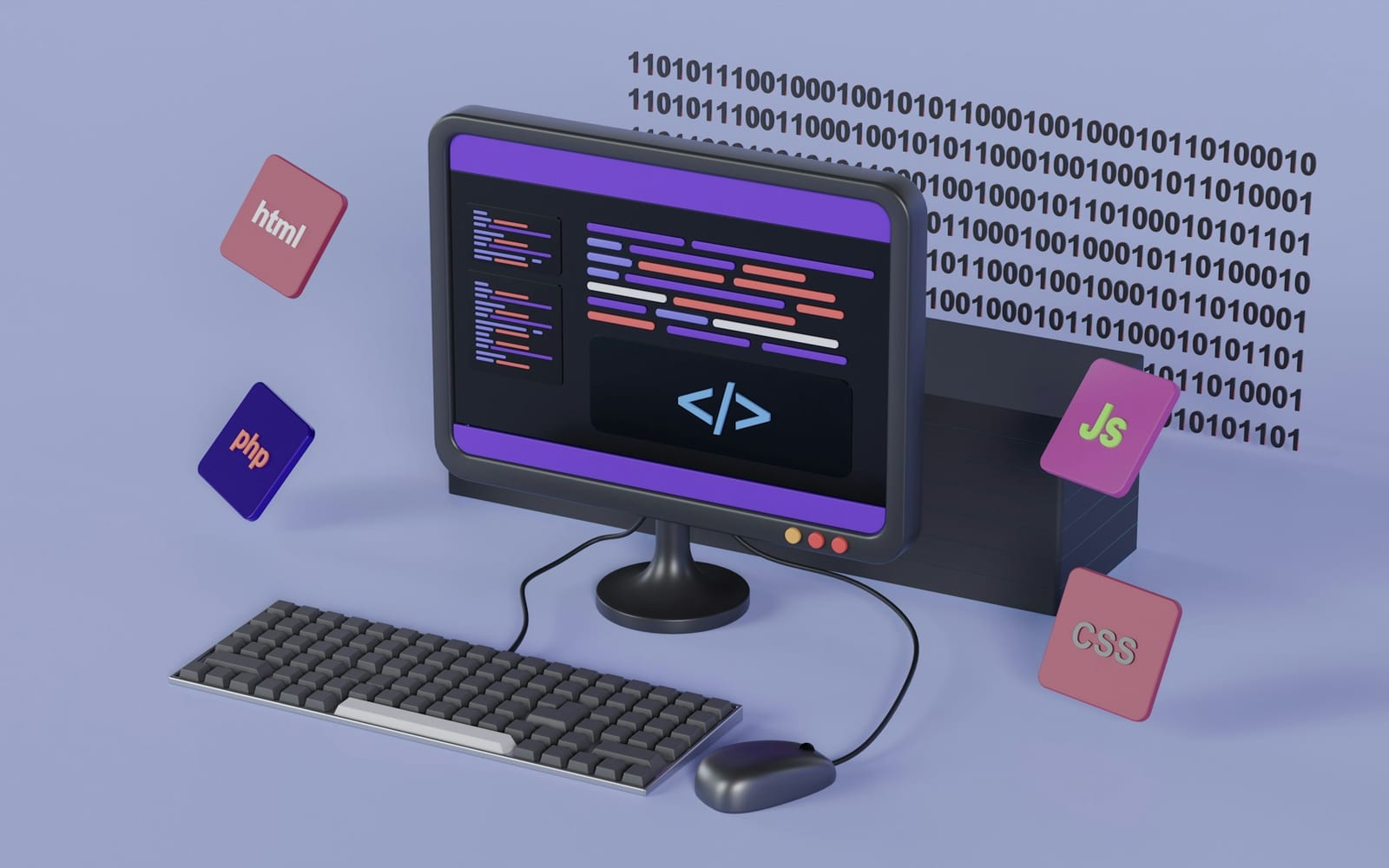
A collaborative developer workflow with multiple tools and decisions in play.
Establishes a polished Analyzing Technical Review Feedback For Multi Flavor Android tone with off-white space, charcoal framing, and cobalt/amber accents representing mobile-desktop agent communication.
How do modern development teams bridge the gap between heavy local language models and resource-constrained mobile hardware? As artificial intelligence projects mature past simple chat interfaces, engineers face distinct architectural choices. When building systems that require both localized automation scripts and reliable mobile companion apps, the core challenge lies in defining clear boundaries between device execution, backend processing, and automated verification.
This fits the broader verification model in the multi-agent review pipeline, where each handoff has an explicit review boundary.
Addressing this question requires looking at how modern hardware ecosystems operate. Mobile endpoints continue to serve as ubiquitous “do-everything” control surfaces equipped with high-resolution sensors, cameras, and local processing units. Simultaneously, developers use local desktop runtimes to execute autonomous Multi Agent Review Pipeline scripts that interact directly with local files, run terminal commands, and manage backend services without continuous cloud API roundtrips. This article explores the architectural patterns, trade-offs, and verification workflows necessary to build cohesive hybrid AI systems.
Defining the Scope of Hybrid AI Workflows
Building a modern AI industry project often begins with separating capabilities that belong on local hardware from those requiring scalable cloud infrastructure. Local LLM runtimes executed directly on developer workstations offer unmatched privacy and zero latency for command execution. By pairing these local agents with structured automation scripts, developers can orchestrate file management, local compilation tasks, and code refactoring directly from chat prompts.
However, local execution introduces strict hardware limits. Memory bandwidth and thermal throttling on consumer laptops restrict model sizes and parallel request handling. Conversely, cloud environments provide nearly infinite scaling but introduce network latency and recurring API expenses. A resilient architecture establishes clear routing rules: deterministic validation steps and local file mutations happen locally, while heavy analytical inference and multi-user synchronization are delegated to managed backend clusters.
Consider a scenario where an automation script parses incoming JSON payloads from a local agent, validating schema definitions before triggering a local build sequence. If the payload format shifts unexpectedly, the automation layer catches the failure immediately without propagating malformed requests downstream. This setup reduces debugging cycles and keeps sensitive environment variables safely outside version-controlled repositories.
Clarifies the modular card structure of reactive mobile layouts like Jetpack Compose without relying on text.
Designing Native Mobile Interfaces for Agent Workflows
Despite the rise of ambient computing, physical mobile devices remain irreplaceable for field data collection, real-time push notifications, and immediate situational awareness. On Android and iOS, native applications offer direct hardware access that web wrappers simply cannot match. For Android engineering teams, implementing modern UI layers using Jetpack Compose and reactive Flow primitives ensures that user interfaces respond instantly to asynchronous agent events.
@Composable
fun AgentStatusScreen(viewModel: AgentViewModel = viewModel()) {
 val uiState by viewModel.uiState.collectAsStateWithLifecycle()

 Surface(modifier = Modifier.fillMaxSize()) {
 when (val state = uiState) {
 is AgentState.Loading -> CircularProgressIndicator()
 is AgentState.Success -> TaskExecutionList(state.tasks)
 is AgentState.Error -> ErrorBanner(state.message)
 }
 }
}
Managing state correctly across configuration changes requires strict adherence to lifecycle best practices. Using a dedicated ViewModel to expose Kotlin Flows guarantees that UI components remain decoupled from asynchronous network or local database operations. When designing asynchronous agent dashboards, developers must explicitly account for four distinct UI states: loading indicators during model inference, empty states when no active tasks exist, success cards displaying structured outputs, and failure banners providing actionable recovery paths.
Illustrates local-to-remote control paths in developer automation setups using high-contrast geometric shapes.
Orchestrating Local LLMs and Automation Pipelines
Automation without traditional cloud APIs represents a compelling frontier in modern tooling. By running models locally, engineers can execute system commands, write code modifications, and compile applications entirely offline. Yet, granting an autonomous model access to system execution requires rigorous sandboxing. Unrestricted shell access creates severe security vulnerabilities if an agent hallucinates a destructive command.
To mitigate these risks, production-grade automation scripts act as gatekeepers between the LLM and the operating system. Instead of piping raw model outputs directly to a shell interpreter, the architecture enforces an intermediate JSON parsing layer. The automation script evaluates the generated command against an explicit whitelist of permitted operations. If a command falls outside safe parameters, the pipeline halts and requests explicit human approval.
name: Verify Agent Payload
on: [push, pull_request]
jobs:
 validate:
 runs-on: ubuntu-latest
 steps:
 - uses: actions/checkout@v4
 - name: Validate JSON Schema
 run: npx ajv-cli validate -s schema.json -d data/payload.json
Integrating continuous integration platforms like GitHub Actions ensures that every configuration change and schema update undergoes automated verification before reaching deployment branches. Defining explicit deployment evidence, reliable rollback procedures, and observable failure signals prevents faulty agent configurations from breaking production environments.
Balancing State Management and Compatibility Across Platforms
As applications scale, maintaining consistent state synchronization between local storage, mobile clients, and backend services becomes increasingly complex. Developers must account for varying OS lifecycle constraints, aggressive background process termination on mobile devices, and shifting API contracts. Storing credentials and sensitive environment configurations securely in encrypted local key stores, while keeping configuration files strictly out of source control, protects sensitive enterprise deployments.
Testing edge cases on multiple target platform versions reveals subtle compatibility bugs early. For instance, background Flow collectors on older Android versions may leak resources if not tied explicitly to the correct lifecycle owner. Establishing disciplined review checklists for tool permissions, evaluation metrics, and human-in-the-loop approval points ensures long-term system stability.
Practical Takeaways
Successfully implementing hybrid AI agent architectures and mobile integrations relies on disciplined engineering fundamentals rather than chasing transient tooling trends. Keep sensitive environment variables and credentials entirely outside version-controlled artifacts. Enforce strict JSON schema validation between local LLM outputs and automation scripts to prevent unauthorized command execution. Finally, use reactive UI primitives like Jetpack Compose and Flows to build resilient, state-aware mobile interfaces that gracefully handle loading, success, and failure conditions.
Continue Exploring
You Might Also Like

How to Automate Medium Publishing Without a New API Token
A practical 2026 workflow for automating everything around Medium publishing while keeping the unsupported provider boundary manual and verifiable.

AI-Assisted Android Development: Build a CI Safety Net Before You Automate
Design a safer AI-assisted Android development workflow with scoped patches, reproducible Gradle validation, dependency checks, risk-based test gates, and human approval.

Understanding MCP Integrations for AI Assistants
An exploration of Model Context Protocol integration patterns, examining how developers connect AI assistants to external databases and services without compromising security boundaries.