Choosing a Publishing Stack for a Technical Blog
A practical framework for choosing between hosted publishing, self-hosted WordPress, and a Git-backed static site without treating SEO as a platform checkbox.
Table of Contents5 sections

Choosing a A Batch Publishing Workflow stack is a decision about ownership, maintenance, and editorial control.
The hardest part of choosing a platform for a technical blog is not creating the first post. Almost every platform can publish a title, a paragraph, and an image. The difficult decision appears later, when you need a custom domain, reliable backups, redirects, structured metadata, fast pages, or a safe way to move your archive somewhere else.
The practical question is therefore not “Which platform is best?” It is “Which set of responsibilities can I operate consistently for the next few years?” A hosted editor, self-hosted WordPress, and a Git-backed static site can all work. They simply put ownership and maintenance in different places.
Start With the Responsibility You Want to Own
Hosted publishing is the smallest operational commitment. The provider maintains the runtime, handles updates, and usually supplies an editor, media storage, and a custom-domain path. This is useful when writing frequency matters more than infrastructure control. The trade-off is that the provider controls more of the publishing surface, export format, limits, and pricing.
Self-hosted WordPress moves the responsibility boundary. You control the application and database, but you also own updates, backups, plugin compatibility, caching, security hardening, and recovery. WordPress.com and a self-hosted WordPress installation should not be treated as the same product. Their costs and operational duties are different.
A Git-backed static site moves even more of the workflow into files and build automation. Markdown, templates, and assets can be reviewed as code, and each publication can be reproduced from a commit. That control is valuable for a technical publication, but it also means you must maintain the build, Debug Broken Links Deployment Flows, redirects, and media conventions.
Compare the Three Models With a Decision Matrix
| Decision area | Hosted platform | Self-hosted WordPress | Git-backed static site |
|---|---|---|---|
| First-day setup | Lowest | Medium | Medium |
| Ongoing patching | Provider-owned | Owner-owned | Build and dependency updates |
| Content portability | Depends on export | Database and media export | Plain files and Git history |
| Layout control | Theme and platform limits | High with plugins or code | Full template and CSS control |
| Performance ceiling | Provider-dependent | Requires caching and tuning | Usually strong at the edge |
| Failure recovery | Provider tooling | Your backups and runbooks | Rebuild from a known commit |
| Best fit | Publishing speed | Extensible editorial sites | Technical teams that value reproducibility |
The table is not a ranking. It exposes where work will appear. If you choose a hosted platform, review its export and redirect behavior before the archive becomes large. If you choose WordPress, budget time for updates and a backup restore test. If you choose a static site, document the local build and make the deployment status visible.
Treat SEO as a Contract, Not a Checkbox
No platform guarantees a first-place search result. A sound stack makes the important SEO work possible and repeatable. At minimum, the system should support a stable canonical URL, descriptive titles and descriptions, an XML sitemap, valid robots directives, fast HTML, responsive images, and useful internal links.
The platform must also let you preserve URLs during a migration. A technically perfect article that changes its slug without a redirect can lose the accumulated value of the old URL. A custom domain should be configured early, and every move should have a redirect map, a canonical policy, and a way to verify the final response with a clean request.
For a technical blog, structured data and social metadata are part of the same contract. Article pages should identify the headline, author, publication date, and image consistently. Sharing the home page should produce an intentional preview rather than a random image from the first paragraph. These details improve interpretation and distribution even though they cannot replace useful writing.
Make Migration and Recovery Part of the Choice
Before committing to a platform, perform a small exit exercise. Export one article with its images, title, date, and original URL. Then ask whether another system could rebuild the page without manual copy and paste. If the answer is no, the platform has created a dependency that should be recorded as a cost.
The recovery test should be equally concrete. Start from a clean checkout or a fresh server, restore one article, run the build, and open the resulting URL. Keep a short runbook for domain configuration, secrets, redirects, and analytics. This is where a Git-backed site can be attractive: the source is reviewable, and a previous commit is a precise recovery point. It is also where the model can surprise a small team, because reproducibility requires disciplined configuration rather than a magical editor.
Choose the Smallest System You Can Operate Well
Choose hosted publishing when your scarce resource is writing time and the provider’s export, domain, and analytics policies are acceptable. Choose self-hosted WordPress when you need a large plugin ecosystem and are willing to own patching, backups, and database recovery. Choose a Git-backed static site when content-as-files, code review, and deterministic builds are worth the extra setup.
The best choice is the one whose failure modes you can explain. Write down who owns the domain, where the canonical content lives, how an article is backed up, how a redirect is added, and how a broken deploy is rolled back. If those answers are clear, the publishing stack becomes an implementation detail instead of a recurring source of anxiety.
For a concrete example of how a small technical publication can keep its workflow reproducible, compare this decision with reliable batch publishing workflows. The point is not to copy that architecture. It is to make the operational trade-offs explicit before the archive makes them expensive.
Continue Exploring
You Might Also Like

Agent Authentication and Machine Commerce Protocols
A practical guide to building zero-dependency edge architectures for autonomous AI agent discovery, cryptographic verification, and machine commerce protocols.
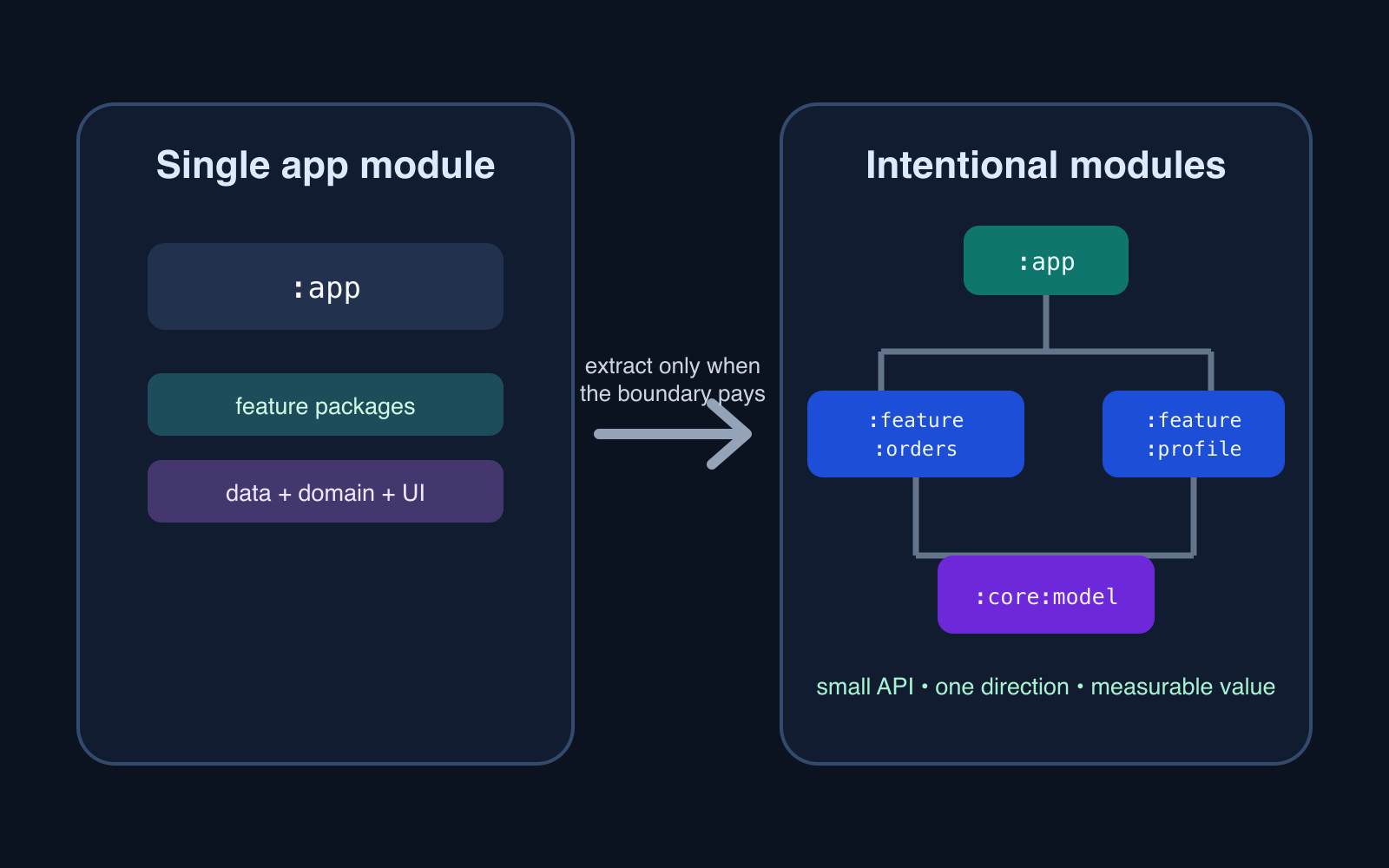
When to Modularize an Android App Without Overengineering
A practical guide to deciding when Android modules help, what boundaries to extract first, and how to avoid turning modularization into architecture overhead.
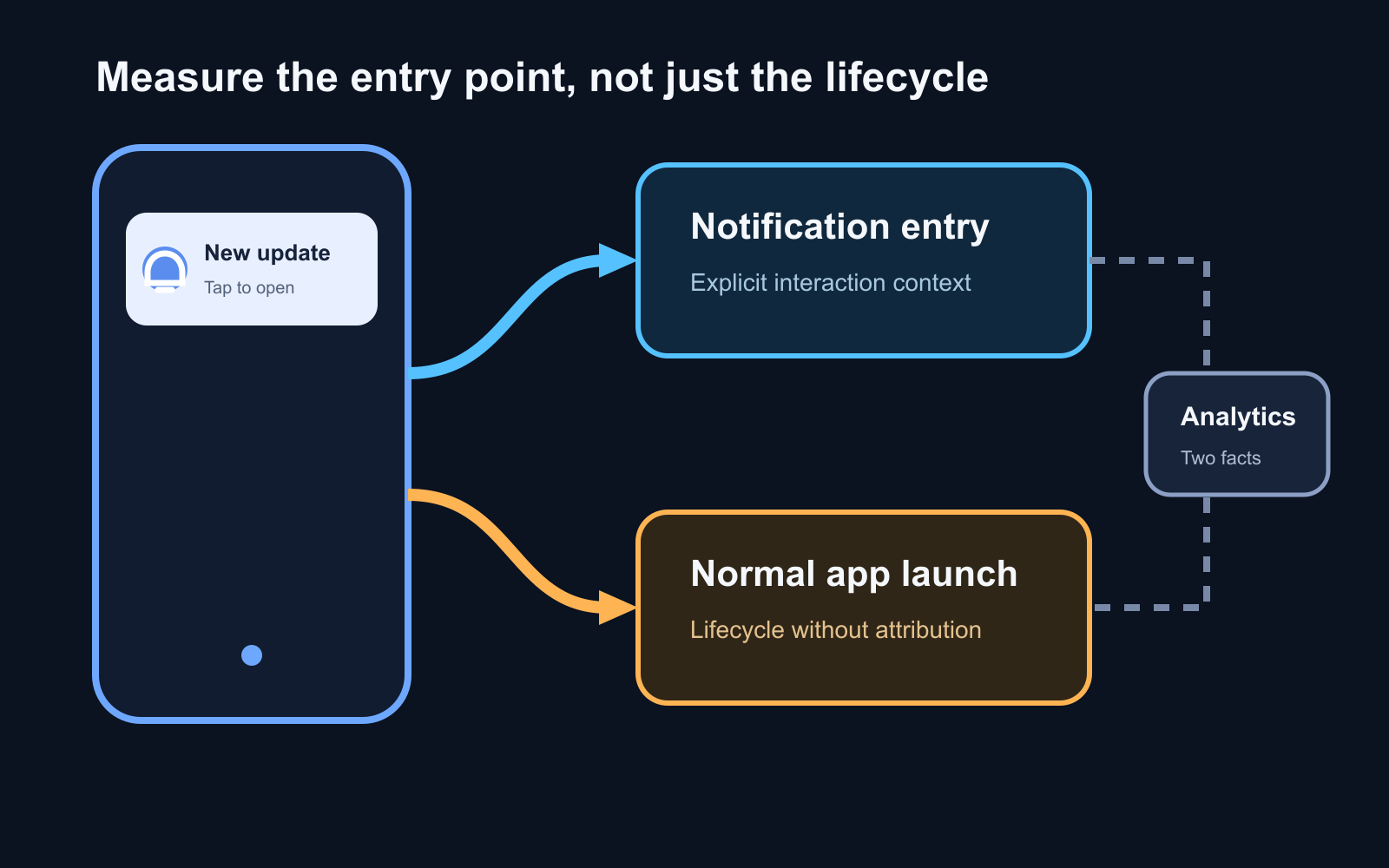
Android Notification Opens vs App Opens: Measure the Entry Point
A practical Android analytics pattern for separating notification-driven sessions from ordinary app launches without double-counting engagement.