Google Cloud MLPerf Training v6.1 Benchmarks Explained
Google Cloud has released results for the MLPerf Training v6.1 benchmarks, showcasing performance metrics for its seventh-generation Ironwood TPUs and NVIDIA Grace Blackwell GPUs.
Table of Contents3 sections
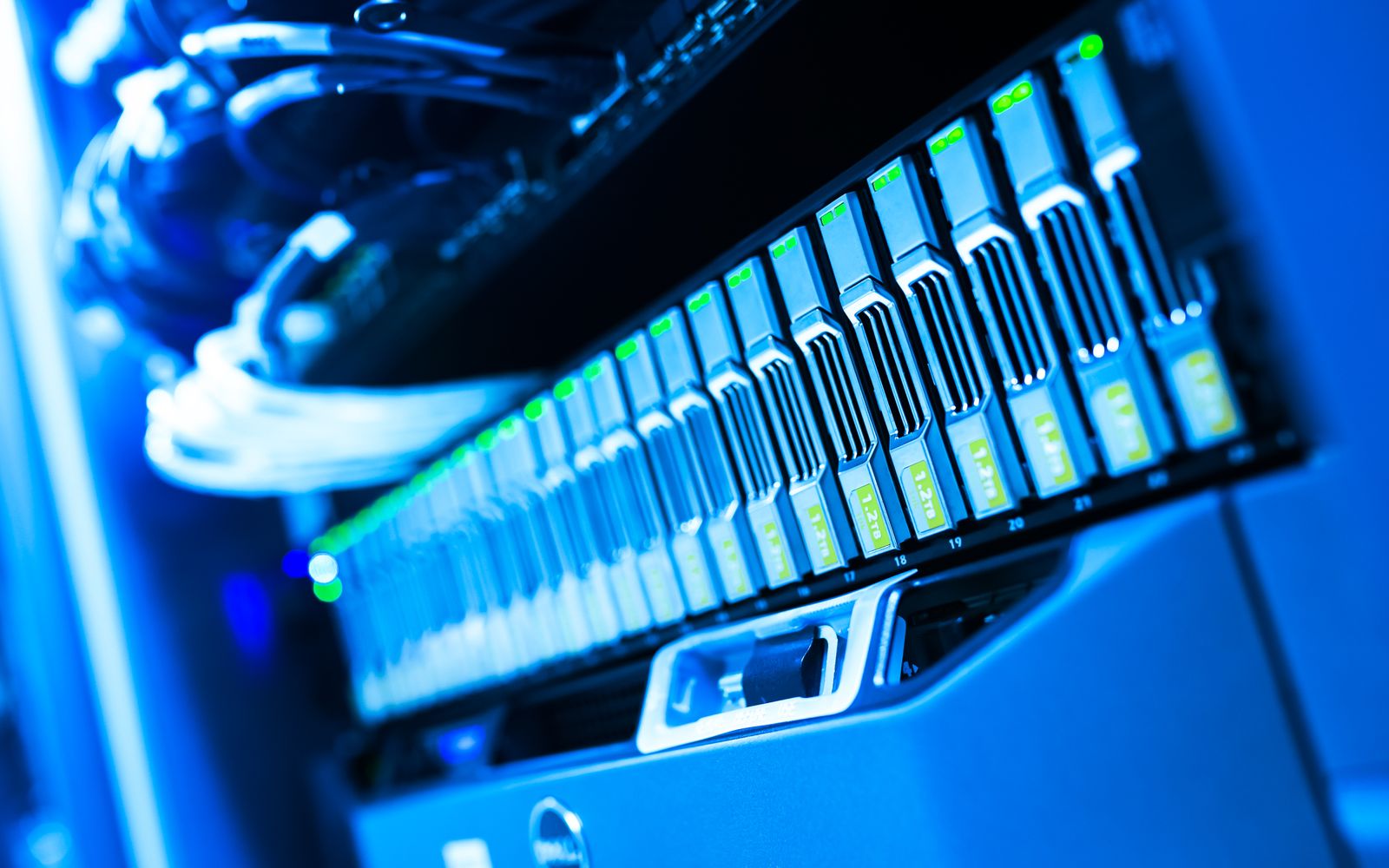
On November 16, 2026, Google Cloud published its results for the MLPerf Training v6.1 benchmark round. The announcement highlights performance data across 10 distinct results, utilizing both their proprietary seventh-generation Ironwood TPUs and NVIDIA Grace Blackwell GPU hardware. These benchmarks provide a standardized look at how current infrastructure handles large-scale model training tasks, including the introduction of a specific benchmark for agentic reinforcement learning.
According to the official report available at https://blog.google/innovation-and-ai/infrastructure-and-cloud/google-cloud/training-performance-benchmarks-tpus/, a cluster of 8,192 Ironwood TPUs achieved target model quality in 1.70 minutes, demonstrating 96% scaling efficiency when utilizing 4,096 chips. Additionally, Google Cloud reported that A4X Max instances, which are equipped with 256 NVIDIA GB300 GPUs, completed their target model benchmark in 31.96 minutes. These figures offer a snapshot of hardware capability under controlled testing conditions.
Agentic Reinforcement Learning Benchmarks
A notable addition to the MLPerf Training v6.1 round is the inclusion of benchmarks specifically designed for agentic reinforcement learning. This shift reflects the growing industry focus on autonomous systems. For developers building complex systems, understanding these performance metrics is essential, especially when considering an Agent Orchestrator vs Model Router: Architecture for Multi-Agent AI Systems to manage workload distribution. In the reported tests, a configuration using 640 Ironwood TPUs reached target accuracy in 18.02 minutes, maintaining less than 3% idle time for the training chips.
Practical Consequences and Limitations
While these benchmarks provide valuable data points for infrastructure planning, they represent performance under specific, optimized conditions. The reported metrics demonstrate the raw throughput and scaling efficiency of Ironwood TPUs and NVIDIA Grace Blackwell GPUs in a controlled environment. However, these results do not necessarily predict performance for every custom model architecture or real-world production workload. Factors such as data pipeline bottlenecks, network latency in non-benchmark environments, and specific model complexity remain variables that users must account for when designing their own training clusters. The benchmarks serve as a reference for hardware capability rather than a guarantee of performance for all potential AI training scenarios.
Continue Exploring
You Might Also Like
Gemini Rolling Out 66 New Regional Voices
Google has announced the rollout of 66 new regional voices for the Gemini app on Android and iOS, featuring expanded dialect support for UK English and several other global languages.
Nvidia CEO Jensen Huang resignation export rules
An examination of the announcement concerning Nvidia CEO Jensen Huang's resignation, the congressional push to tighten AI chip export controls following a spy scandal, and the verified implications for the technology sec
Gemini Google Wallet Integration Personal Finance Insights
An analysis of the November 13, 2026 announcement regarding Gemini's Google Wallet integration for personal finance insights, detailing verified facts, Plaid connectivity, and practical implications.