Google Retiring Nest App and Assistant in 2027
Google has announced the scheduled retirement of the legacy Nest application and Google Assistant on smart speakers and displays, detailing a transition to Gemini for Home.
Table of Contents4 sections
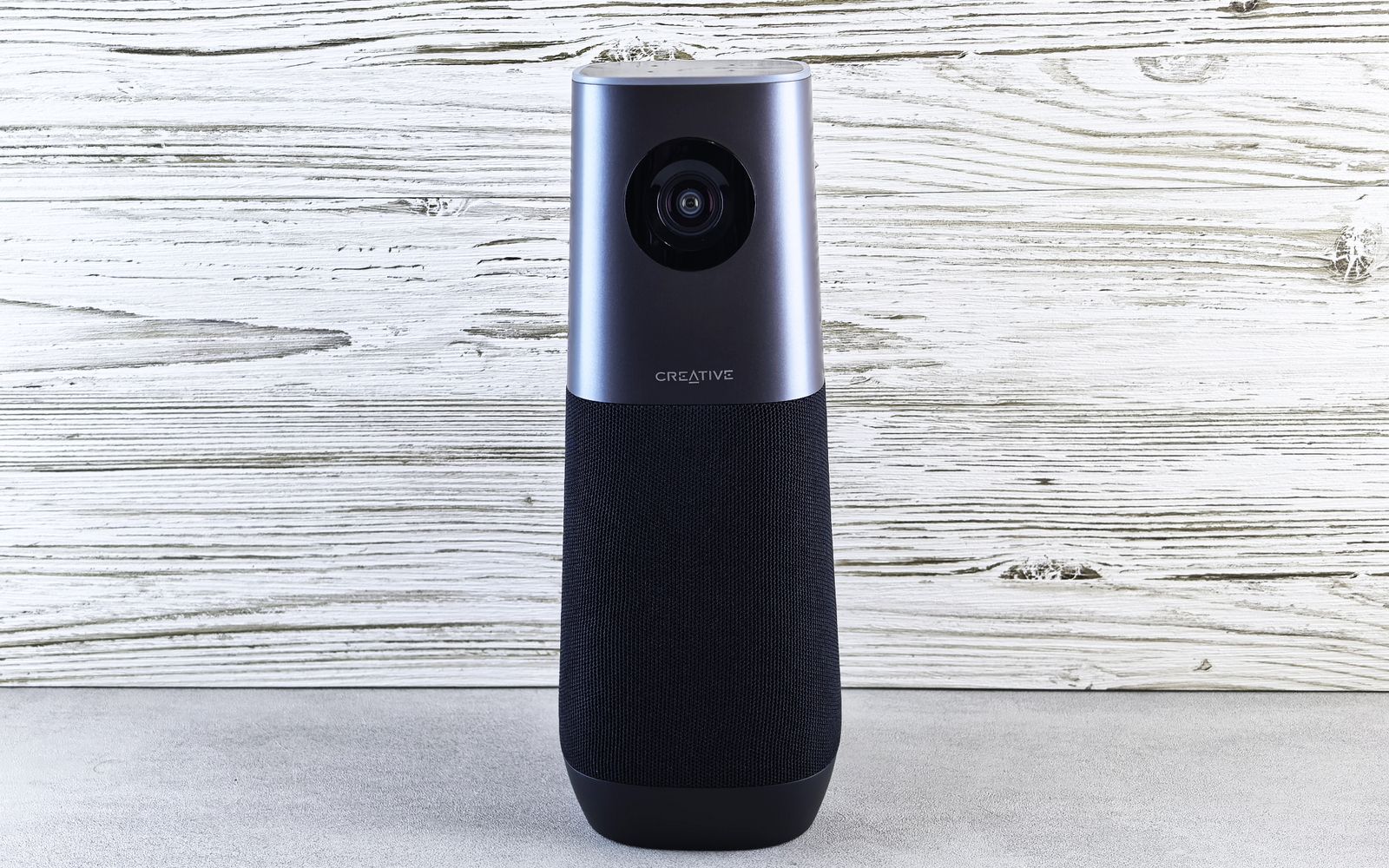
According to reporting published by 9to5Google, Google has officially scheduled the legacy Nest application and Google Assistant on specific smart devices for retirement in 2027. This transition marks a significant shift in the company’s hardware and software ecosystem, signaling a move toward the newer Gemini for Home assistant platform. The announcement clarifies the timeline for these changes, providing users with a window to prepare for the migration of their smart home configurations and billing data.
Retirement Timeline for Nest App and Assistant
The transition process is divided into two distinct phases based on the platform and hardware involved. The legacy Nest application, which currently serves as a central hub for users on web, Android, and iOS platforms, is scheduled to cease all operations on January 25, 2027. Following this, the second phase focuses on hardware-level changes. Google Assistant on smart displays and speakers is set for retirement on August 2, 2027. These dates represent the final operational windows for the legacy software and assistant services. As these services wind down, the broader Google Assistant Shutdown on Smart Speakers Set for 2027 provides additional context on how hardware ecosystems adapt during these major software shifts. Existing hardware devices will maintain their standard operational status throughout the transition period, though the underlying assistant technology will shift to the Gemini for Home architecture.
Migration of User Data and Billing Plans
Google has outlined specific procedures to manage the transition of user accounts and billing information. Standard user configurations are designed to transfer automatically into the Google Home platform, which aims to minimize the need for manual reconfiguration of baseline settings. For subscribers, first-generation Nest Aware billing plans are slated to migrate automatically to Google Home Premium. This transition is intended to occur without immediate extra charges or the requirement for users to re-enter payment information. However, users must take proactive steps regarding their historical data. Specifically, individuals must manually export any custom video recordings they wish to retain by using the provided download button on the legacy portal before that site officially closes in early 2027.
RayLabs Analysis and Remaining Unknowns
While the publisher reporting provides a clear roadmap for billing and basic configuration migration, several technical questions remain open for users managing complex environments. RayLabs analysis suggests that long-term third-party integrations and local automation routines on legacy hardware will require close monitoring as the August 2027 deadline approaches. The exact behavior of edge-case automations during the transition to the Gemini for Home platform is currently unverified by official publisher documentation. Furthermore, the extent to which specific legacy hardware features will map directly to the new assistant’s capabilities remains an area of uncertainty. Users who rely on highly customized multi-device environments should prepare for the possibility of manual verification and potential routine adjustments once the platform migration is complete. The transition represents a significant change in software architecture, and users are encouraged to monitor official updates as the retirement dates draw closer.
Continue Exploring
You Might Also Like

Google Assistant Shutdown on Smart Speakers Set for 2027
Google has announced a transition from Google Assistant to Gemini for Home on smart speakers and displays, scheduled for August 2027, alongside a broader sunsetting of the legacy Nest app.

Google Fi App Redesign Brings Floating Toolbar and Ask Fi
Google Fi has updated its companion app with a floating navigation toolbar and an AI-powered Ask Fi chatbot, alongside expanding Wi-Fi Auto Connect+ support.
Signal Blocks AI Agents From Reading Your Screen
Signal has implemented new screenshot-blocking measures on mobile devices to prevent AI agents from accessing private on-screen content.