Motorola Moto Tag 3 Leak Reveals New Colors and Features
An early retailer listing for the Motorola Moto Tag 3 has surfaced, detailing new color options and continued integration with the Android Find Hub network.
Table of Contents4 sections
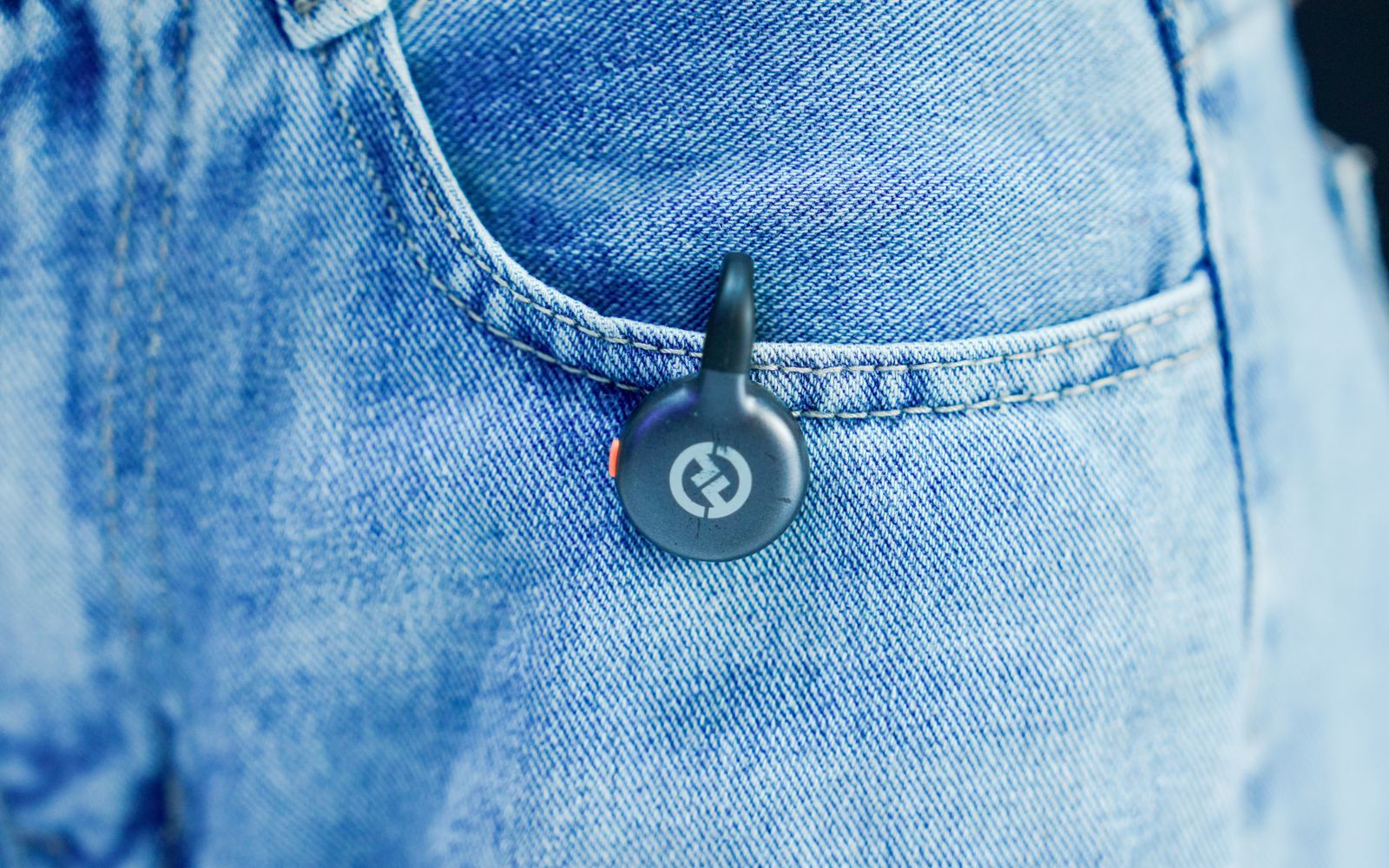
A premature product listing on Amazon UK in November 2026 has provided an early look at the upcoming Motorola Moto Tag 3, as reported by 9to5Google. This unexpected appearance of the hardware follows the release of the previous generation in June 2026, marking a relatively short interval between product iterations. While the listing provides a glimpse into the device’s aesthetic and functional updates, it remains an unofficial preview ahead of a formal announcement from Motorola.
Design Refinements and Hardware Specifications
The leaked information highlights specific design updates for the Moto Tag 3, most notably the introduction of new color options. The device is expected to be available in Pantone Lucent White and a vibrant purple, expanding the visual variety compared to earlier models. Despite these aesthetic changes, the tracker maintains a focus on durability, retaining an IP68-rated design that provides protection against dust and water ingress. The hardware continues to utilize a user-replaceable CR2032 coin cell battery, which is rated to provide over 500 days of operation under standard usage conditions. This consistency in power management suggests that Motorola is prioritizing longevity and ease of maintenance for the new iteration, allowing users to replace the power source without specialized tools or professional service.
Network Connectivity and Ecosystem Integration
For tracking and proximity detection, the Moto Tag 3 incorporates both Ultra Wideband and Bluetooth protocols. These technologies allow the device to interface directly with the Android Find Hub network, enabling users to locate items through the broader ecosystem. When developers or power users evaluate the underlying network behaviors or connectivity states of such hardware, they often need to review How to Check Android Connectivity Without Lying to Your UI to manage the specific Bluetooth and UWB handshake requirements that define the tracker’s reliable communication with the Find Hub. Beyond its connectivity features, the device includes built-in privacy protections and encryption measures designed to secure location data during transmission. These security features are intended to ensure that item tracking remains private, though the effectiveness of these measures in real-world scenarios will depend on the final software implementation and user configuration once the product is officially available.
Market Context and Remaining Unknowns
While the retailer listing provides significant detail regarding the hardware’s physical attributes and connectivity capabilities, several critical aspects of the product launch remain unconfirmed. Motorola has not yet provided official pricing, specific regional availability, or a definitive release date for the global market. Furthermore, the transition from the previous generation to this new model raises questions regarding potential firmware improvements or software-level enhancements that may not be visible in a hardware-focused retail listing. Independent verification of the new color durability and precise performance benchmarks remains pending until official commercial units are released to the public. Until Motorola issues a formal statement, the details captured in the early listing should be viewed as preliminary, as final specifications and market positioning may evolve before the official rollout occurs.
Continue Exploring
You Might Also Like

Bazuka Android Malware Discovered by ThreatFabric
ThreatFabric has identified a new Android malware framework called Bazuka that employs fake screen overlays and large language models to automate credential theft and victim targeting.
WhatsApp Security Patches November 2026 Explained
WhatsApp has released security updates addressing three vulnerabilities, including an Android-specific flaw linked to scam campaigns.

Uber Kids Pilot Program Details and Safety Protocols
Uber has launched a pilot program for children aged 10 and older in select U.S. cities, introducing new safety requirements for drivers and parents.