Quaise Energy Google Geothermal Power Agreement
Google has announced a $500 million investment in a Quaise Energy geothermal project in Oregon, aiming to secure 50 megawatts of power using super-hot rock technology.
Table of Contents4 sections
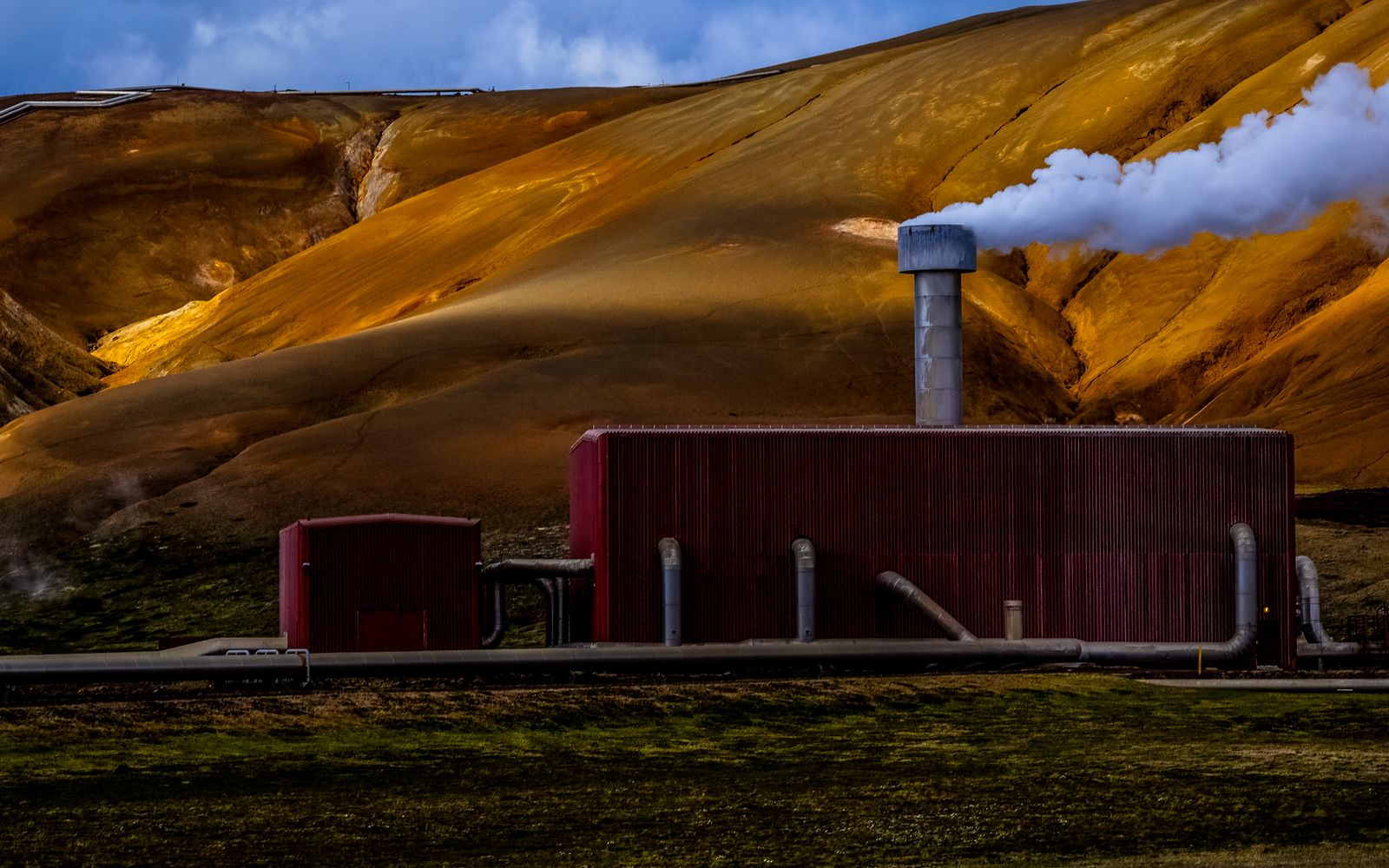
On November 20, 2026, Google announced a commitment of over $500 million to purchase 50 megawatts of power from a Quaise Energy geothermal project located in central Oregon, as reported by TechCrunch. This investment marks a significant step toward integrating deep-earth energy sources into the company’s infrastructure portfolio. While the agreement establishes a clear financial commitment, the deployment of the underlying technology remains in the development phase.
Understanding Super-Hot Rock Geothermal Technology
The core of this initiative involves super-hot rock geothermal technology, which differs from conventional geothermal methods. This approach relies on water reaching a supercritical fluid state at extreme depths and pressures, where it can carry significantly more energy. To access these depths, Quaise Energy plans to utilize gyrotron technology. This method employs millimeter-wave radiation to vaporize rock, allowing for drilling at depths starting at 2.5 miles. By reaching these extreme temperatures, the system aims to provide a consistent, high-capacity energy source that is not dependent on surface weather conditions.
Practical Consequences for Data Center Infrastructure
Securing reliable, carbon-free energy is a primary challenge for modern data centers, which require constant power to maintain operations. As companies evaluate their long-term energy strategies, they must consider how infrastructure investments like the Google The Dalles Data Center 20th Anniversary reflect the evolving demands of large-scale computing facilities. The transition to deep geothermal power represents a shift toward localized, high-density energy generation. By investing in these early-stage energy suppliers, Google aims to mitigate future energy constraints and reduce reliance on traditional power grids. However, the scalability of this technology depends on the successful deployment of deep-drilling equipment and the ability to maintain well integrity in high-temperature environments.
Current Limitations and Industry Developments
While the potential for super-hot rock geothermal is significant, the industry faces technical hurdles regarding drilling speed and material durability. Other organizations are actively working to address these challenges. For instance, Mazama Energy has developed a Carbon Chill system that uses supercritical carbon dioxide to cool drill bits, which reportedly reduced drilling time by 20% in recent tests. Additionally, the U.S. Department of Energy has awarded grants to companies like XGS Energy to improve the reliability of materials used in these extreme drilling environments. Despite these advancements, the transition from experimental drilling to full-scale commercial power production remains an ongoing process with significant engineering unknowns.
Continue Exploring
You Might Also Like

Validate Title Query Terms With English Inflections
Learn how to validate query-led titles using a narrow English inflection rule that accepts grammatical variants without permitting keyword stuffing or false positives.

FAA Nationwide Ground Stop Root Cause Announcement
The United States is preparing to announce the definitive root cause of the November 2026 nationwide FAA ground stop, which stemmed from a network traffic surge during a hardware installation.

Valve Signals Potential Steam Machine Price Increase
Valve has announced that rising component costs may necessitate a price increase for its supply-limited Steam Machines, with further updates expected in early 2027.