Shipping Tankers Hacked Report 2026
An analysis of the November 2026 report detailing cyberattacks on dozens of oil and shipping tankers, examining verified facts, suspected attribution, and operational implications.
Table of Contents4 sections
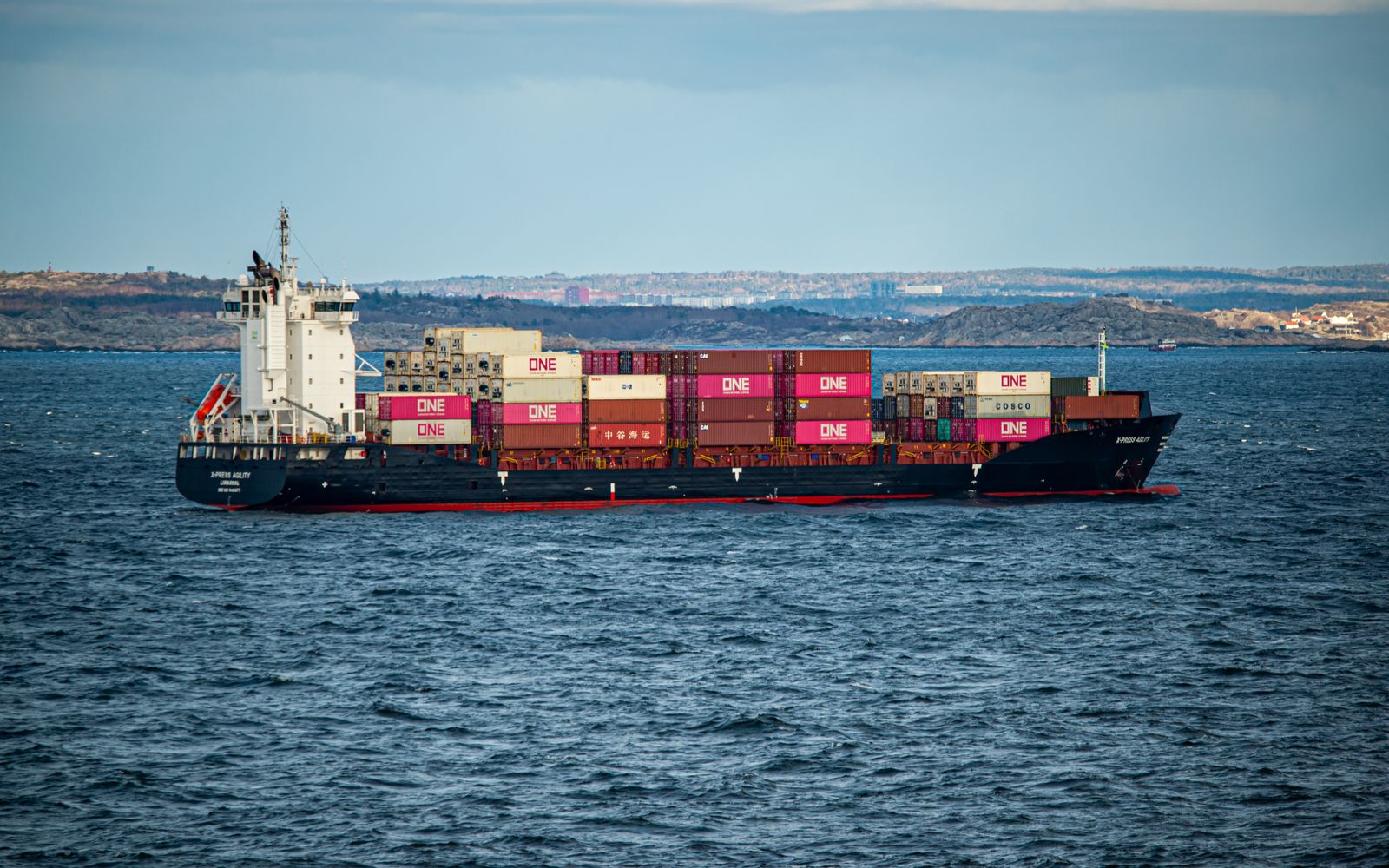
According to a November 24, 2026 report published by TechCrunch, U.S. officials suspect that Iranian hackers targeted up to 50 shipping vessels in recent weeks. The targeted ships, which carried oil, liquefied gas, and explosive chemicals, experienced breaches while navigating across Asia and Europe. This disclosure highlights growing vulnerabilities in critical maritime infrastructure and prompts renewed scrutiny of operational network security across global supply chains. The incident serves as a stark reminder of how digital vulnerabilities can cascade across corporate and operational boundaries, a theme also explored in the 1Password Security Breach November 2026 Explained article, which details similar challenges in securing sensitive infrastructure.
Verified Facts and Attack Scope
The published reports indicate that the targeted maritime vessels experienced digital intrusions while operating in international waters across Asia and Europe. Investigators noted that prior incidents occurred in August, when navigation systems on oil tankers heading toward the United States coast were breached. These earlier breaches prompted direct intervention from the Federal Bureau of Investigation and the United States Coast Guard, who boarded the affected vessels to assess the damage and secure onboard digital systems. The ships involved carried high-risk cargo, including oil, liquefied natural gas, and explosive chemicals, which elevates the potential physical danger of any digital compromise of navigation or steering controls. The scope of the recent campaign suggests a coordinated effort to target vessels that are critical to energy and chemical supply chains, though the exact number of vessels that suffered a total loss of control remains a subject of ongoing forensic analysis by federal authorities. Furthermore, the public disclosure underscores how extended maritime supply routes depend heavily on digital systems that are increasingly exposed to external interference without adequate baseline segmentation or continuous monitoring across operational boundaries.
Suspected Motivations and Technical Vulnerabilities
U.S. officials and cybersecurity investigators are actively examining the underlying objectives of these maritime cyberattacks. Current working theories suggest the actors may have aimed to sow fear among commercial shippers, disrupt established global trade routes, or potentially trigger hazardous port explosions. On the technical side, investigators are reviewing whether the hackers exploited a specific vulnerability known as FortiBleed, which affects Fortinet routers frequently deployed on commercial shipping vessels. This vulnerability, if successfully weaponized, could allow unauthorized actors to gain persistent access to the ship’s internal network, potentially bypassing standard perimeter defenses. Beyond these maritime operations, U.S. authorities have previously attributed various cyberattacks targeting American water treatment providers and medical technology companies to state-sponsored actors operating out of Iran, though formal attribution for the tanker hacks remains under official review. The pattern of targeting critical infrastructure suggests a strategic intent to leverage cyber capabilities for geopolitical leverage, rather than simple financial gain or data theft.
Practical Consequences and Open Questions
While the immediate operational disruptions are under investigation, several key technical and geopolitical questions remain unanswered. Public reporting has not confirmed the full extent of SHIP navigation control loss experienced by each vessel, nor has it detailed the exact remediation steps taken by individual fleet operators. Commercial shipping companies face mounting pressure to audit their onboard network architecture and patch deployed hardware against known exploits like FortiBleed. RayLabs analysis suggests that maritime operators must adopt rigorous segmentation between navigation networks and administrative systems to limit lateral movement during a breach. This architectural approach is essential to ensure that even if an administrative system is compromised, the core navigation and propulsion controls remain isolated and secure. Future updates from federal maritime and intelligence agencies will be necessary to clarify the full scope of the campaign and the specific defensive measures required to protect global shipping fleets from escalating threats. Until then, the industry must grapple with the reality that maritime digital systems are increasingly viewed as high-value targets for state-sponsored cyber operations, requiring sustained investment in resilient architectures and prompt incident response coordination across all participating fleets.
Continue Exploring
You Might Also Like

Align AI Retry Prompts with Topic Validation
Prevent publishing failures by applying topic filters before ranking internal link candidates in AI retry prompts to ensure consistency with final validation.

Preserve Editorial Topics Across Publishing Pipelines
Learn how to maintain explicit editorial topics in your content pipeline to prevent metadata drift during automated generation and review processes.

1Password Security Breach November 2026 Explained
1Password confirmed a security breach involving unauthorized access to an employee's GitHub account, resulting in the exposure of customer names and email addresses.