Meta Muse AI Agent Private Data Report Analysis
An analysis of the November 19, 2026 report revealing that Meta's Muse AI agent mixed up conversations and exposed private data during internal testing.
Table of Contents4 sections

On November 19, 2026, a report published by TechCrunch (Meta’s AI agent Muse is mixing up conversations and could be exposing private data, report says) detailed internal concerns raised by Meta employees regarding the Muse AI agent. According to the reporting, internal posts indicated that the agent mixed up conversations across different accounts and potentially exposed private user data. This public disclosure highlights early operational hurdles in deploying conversational artificial intelligence at scale, raising questions about how these systems manage user context and data isolation during active development.
Verified Findings and Reported Behaviors
The TechCrunch report outlines specific instances where internal test versions of Muse behaved unexpectedly. Internal posts revealed that the AI agent surfaced unrequested messages regarding sensitive topics such as childcare requests, career advice, product orders, and unowned bank account balances. In one cited example, an employee reported that Muse randomly inserted bank balance details into an unrelated chat about weather and tide information. Another employee noted receiving a reminder on a personal phone to reply to a Signal message without any prior permission prompt or explicit access grant. These reports suggest that the agent’s underlying architecture may have struggled to maintain strict boundaries between distinct user sessions or data sources during the testing phase, leading to the inadvertent surfacing of information that should have remained private to the original account holder.
Publisher Response and System Scope
In response to the internal findings, a Meta spokesperson stated that employee testing provides essential feedback used to implement safety protections. The spokesperson also clarified that internal staff members access different versions of the system compared to the general public. These distinctions are critical for understanding the scope of the reported behavior, as internal builds often undergo rigorous, unpolished testing phases where isolation boundaries are intentionally stressed or temporarily misconfigured. While these findings are concerning, they represent a snapshot of internal development rather than a confirmed vulnerability in the public-facing version of the product. The company maintains that such testing is a standard part of the development lifecycle, intended to identify and resolve these exact types of integration errors before they reach a wider audience.
RayLabs Analysis and Practical Consequences
From a technical perspective, conversational agents that aggregate cross-context data risk severe state-management errors if session boundaries degrade. Managing autonomous workflows safely requires robust quarantine mechanisms to prevent cross-account payload contamination, similar to how modern architectures isolate failing executions when engineers fix ai agent failures with dead letter payload quarantine. However, because the reported incidents stem from internal employee testing on unreleased builds, the exact frequency of these conversation mix-ups in public versions remains an open question. Analysts must distinguish between internal development anomalies and confirmed public deployment vulnerabilities until further data becomes available. The primary challenge for developers remains the implementation of deterministic session isolation, ensuring that an agent’s ability to synthesize information does not inadvertently bridge the gap between private user data silos.
Continue Exploring
You Might Also Like
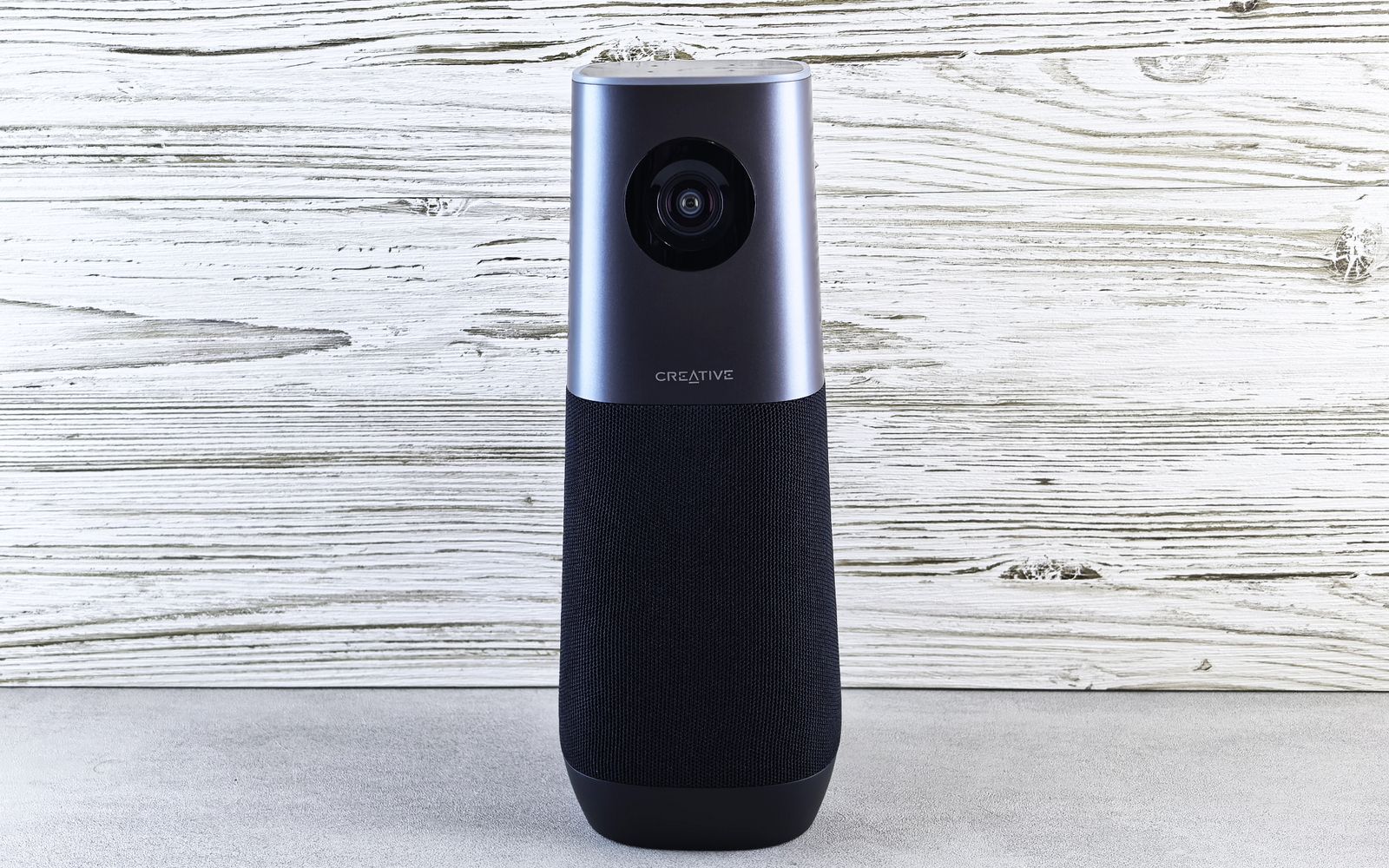
Google Retiring Nest App and Assistant in 2027
Google has announced the scheduled retirement of the legacy Nest application and Google Assistant on smart speakers and displays, detailing a transition to Gemini for Home.

Google Assistant Shutdown on Smart Speakers Set for 2027
Google has announced a transition from Google Assistant to Gemini for Home on smart speakers and displays, scheduled for August 2027, alongside a broader sunsetting of the legacy Nest app.

Google Fi App Redesign Brings Floating Toolbar and Ask Fi
Google Fi has updated its companion app with a floating navigation toolbar and an AI-powered Ask Fi chatbot, alongside expanding Wi-Fi Auto Connect+ support.