Microsoft AI Strategy and Workforce Buyouts
Microsoft CEO Satya Nadella detailed why buyout offers were extended to 60,000 employees in October to restructure toward artificial intelligence roles.
Table of Contents4 sections
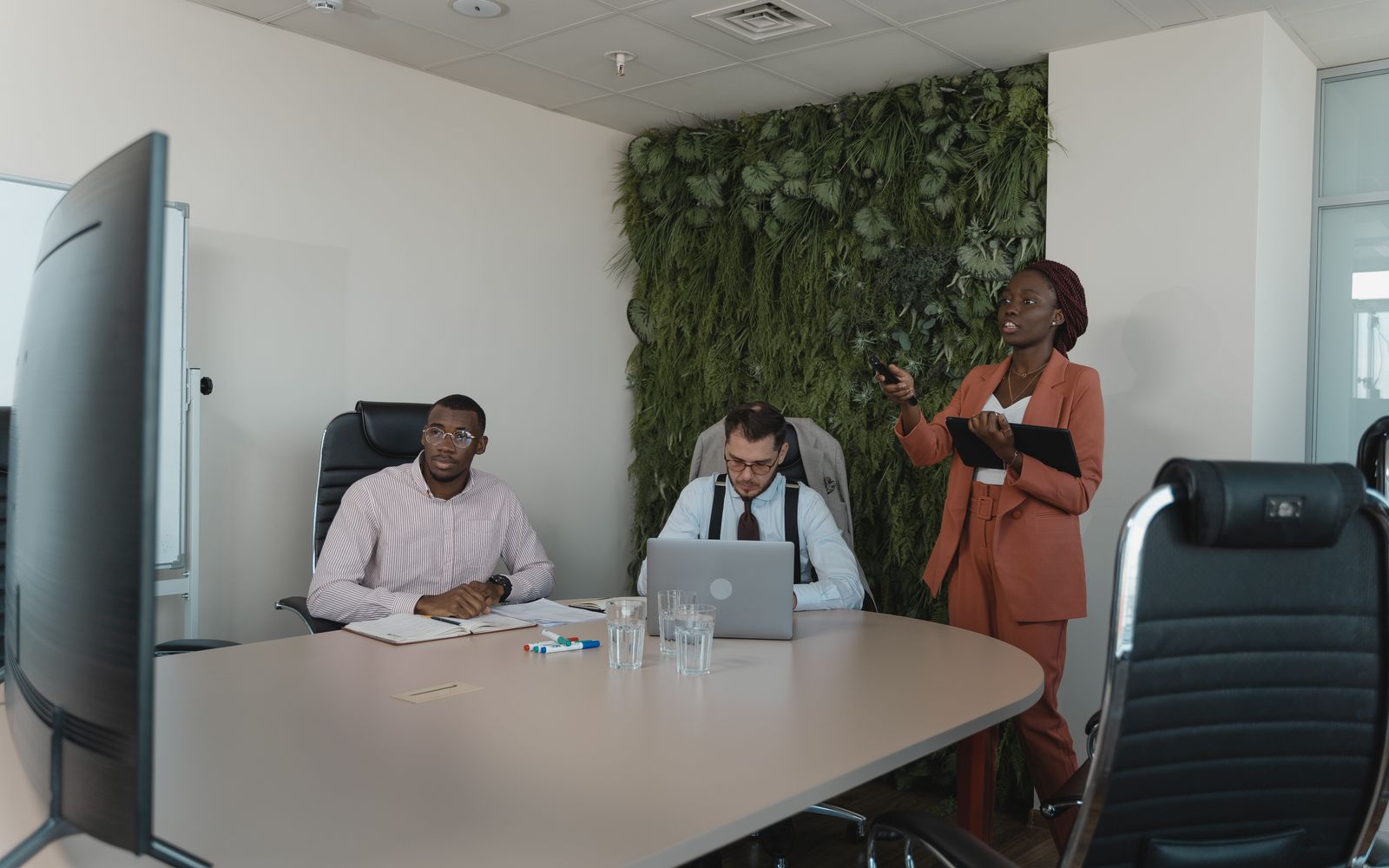
In November 2026, TechCrunch reported on Microsoft’s strategic workforce restructuring in Microsoft CEO Satya Nadella explains why he asked 60K employees to quit. Microsoft Chief Executive Officer Satya Nadella explained that buyout offers extended to 60,000 employees in October were designed to prevent massive traditional layoffs while navigating corporate reorganization. This major announcement highlights how legacy technology firms are actively attempting to pivot their internal engineering culture toward automated platforms. The move represents a deliberate effort to manage the transition of human capital toward AI-centric roles rather than relying on standard termination cycles.
Understanding the Microsoft Buyout Rationale
According to the reporting, the primary objective behind offering voluntary buyouts to such a vast segment of the workforce is to transition remaining staff into positions focused on managing artificial intelligence systems rather than executing manual tasks directly. Nadella emphasized that modern software development requires shifting human capital away from repetitive coding or administrative overhead and toward orchestrating autonomous software pipelines. This approach is intended to reshape corporate structures proactively rather than reacting through sudden, disruptive termination rounds. By offering voluntary exits, the company aims to align its internal talent pool with the technical requirements of an AI-first organization. This strategy acknowledges that the skill sets required for maintaining legacy systems often differ significantly from those needed to build and manage modern, autonomous software architectures. The company is essentially betting that a smaller, more specialized workforce can achieve greater output by leveraging AI tools to handle the heavy lifting of software production.
Practical Consequences and Internal Reorganization
Beyond corporate strategy, concrete internal developments reflect this operational shift. For instance, the Microsoft 365 Cowork agent development team comprises only eleven developers who utilize advanced artificial intelligence tools to construct an automated software factory. As automated capabilities expand, these smaller, highly leveraged engineering groups are becoming the blueprint for future product development. Similar shifts toward autonomous systems are also transforming Satya Nadella Predicts AI Agents Reshaping Web Economics across the broader technology industry, where executive leadership anticipates fundamental changes in how web services and digital platforms generate economic value. The success of these small, AI-augmented teams serves as a proof-of-concept for the broader organizational restructuring. By demonstrating that a handful of engineers can manage complex software factories, the company provides a tangible example of how it intends to scale its operations without a linear increase in headcount. This shift is not merely about cost reduction but about fundamentally changing the ratio of human effort to software output.
Unknowns and Enterprise Limitations
Despite the scale of these organizational changes, significant uncertainties remain regarding how long full enterprise transformation will take. Nadella explicitly noted that transforming an incumbent enterprise’s existing workflows and complex work artifacts will require substantially more time than general market expectations suggest. Independent analysts observe that legacy codebases, compliance requirements, and institutional habits cannot be overhauled overnight, leaving the long-term timeline for total workforce integration as an open question. While the company has provided a clear vision for its AI-driven future, the practical execution involves navigating deep-seated technical debt and cultural inertia. It remains unclear how the company will balance the maintenance of its massive existing product portfolio with the aggressive pursuit of new, agent-based software architectures. The transition period is likely to be characterized by a dual-track operational model where legacy and modern systems coexist, creating potential friction in resource allocation and management. The ultimate success of this strategy depends on the company’s ability to bridge the gap between its current operational reality and its long-term vision for an autonomous, AI-managed enterprise.
Continue Exploring
You Might Also Like
Google Retiring Nest App and Assistant in 2027
Google has announced the scheduled retirement of the legacy Nest application and Google Assistant on smart speakers and displays, detailing a transition to Gemini for Home.

Google Assistant Shutdown on Smart Speakers Set for 2027
Google has announced a transition from Google Assistant to Gemini for Home on smart speakers and displays, scheduled for August 2027, alongside a broader sunsetting of the legacy Nest app.

Google Fi App Redesign Brings Floating Toolbar and Ask Fi
Google Fi has updated its companion app with a floating navigation toolbar and an AI-powered Ask Fi chatbot, alongside expanding Wi-Fi Auto Connect+ support.