PhoneBox Android Dashboard Software Release
An overview of the PhoneBox Android dashboard software, which repurposes legacy devices as PC interfaces, following recent security updates and installation requirements.
Table of Contents4 sections
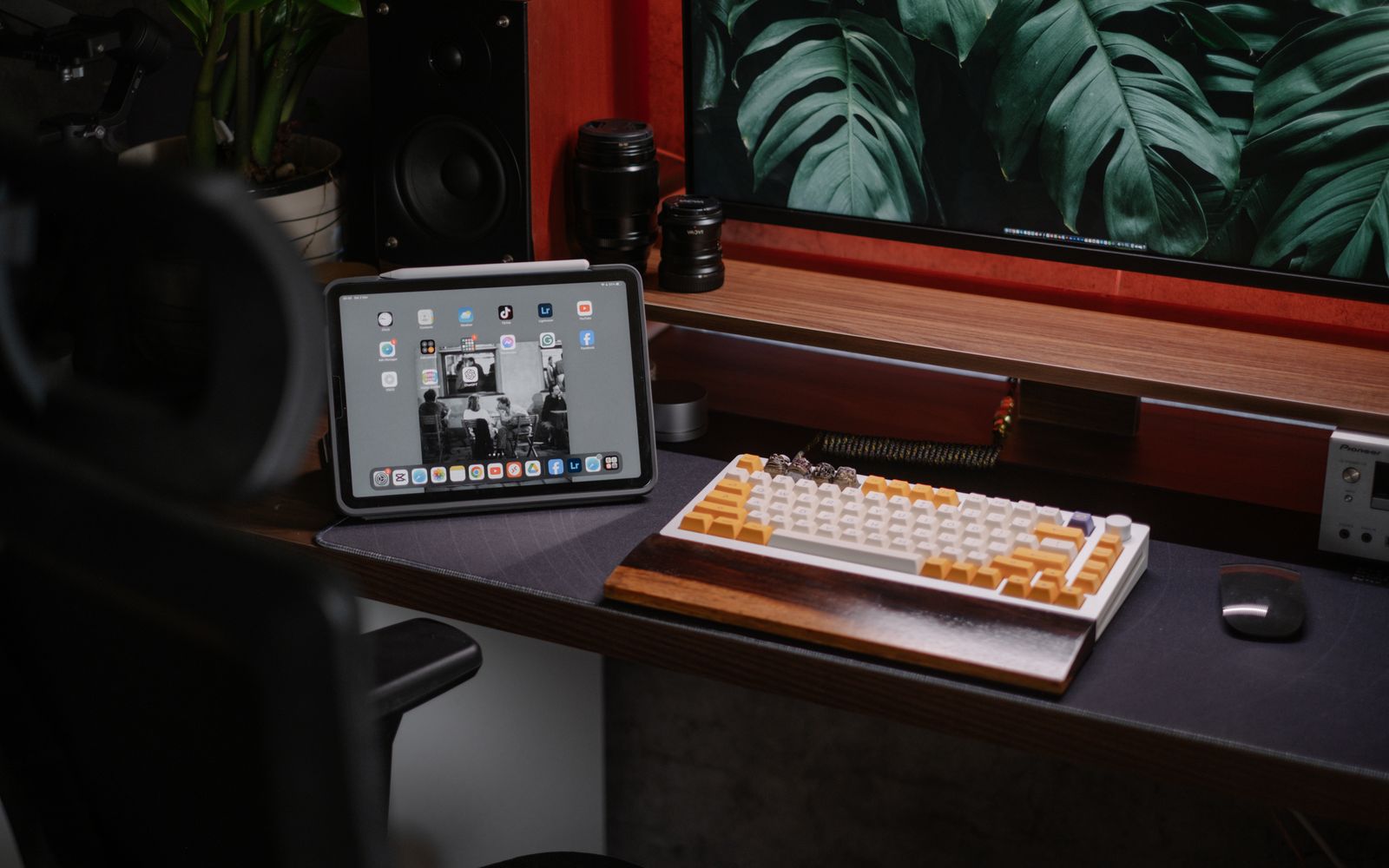
On November 24, 2026, the open-source project PhoneBox released version 0.9.29, a dashboard utility designed to repurpose older Android hardware into secondary displays and control interfaces for Linux-based PCs. As reported by Ars Technica, this software allows users to transform idle tablets or phones into functional widgets for system diagnostics, RSS feeds, and home automation controls. While the project offers a way to extend the utility of aging hardware, users must navigate specific installation requirements and security considerations to implement the system effectively.
Installation and Compatibility Requirements
The PhoneBox software is not distributed through the Google Play Store, requiring users to sideload the application onto their Android devices. Compatibility is limited to devices running Android 5.0 or later. The installation workflow necessitates that users enable developer mode and Android Debug Bridge (ADB) on the target device. Once these settings are configured, the process involves executing a script on a Linux host machine to install both the desktop agent and the necessary APK on the mobile device. This approach is similar to the technical steps required when Turning an Old Laptop into a Safe Home Server: Linux Setup and Hardening, where hardware repurposing relies on specific configuration workflows to ensure the system remains functional and secure.
Security Vulnerabilities and Mitigation
A critical aspect of the recent release is the remediation of a high-severity security vulnerability identified in versions 0.9.23 and earlier. This flaw previously permitted other applications installed on the Android device to execute arbitrary commands on the connected host PC, posing a significant risk to the host system’s integrity. Users currently running older versions of the software are advised to update to version 0.9.29 to mitigate this exposure. RayLabs analysis suggests that because the software requires elevated permissions via ADB, maintaining updated versions is essential for users who integrate these devices into their primary computing environments.
Practical Limitations and Known Issues
Beyond security, the project faces practical limitations regarding its connectivity and user experience. The developer has documented difficulties with the wireless pairing method, which relies on scanning a QR code generated by the PC web interface. While the software provides a robust catalog of widgets, including Steam library controls and Home Assistant integrations, the reliability of the connection remains a variable for end-users. The extent to which these connectivity issues affect different Android hardware configurations remains an unknown, as does the long-term stability of the software on devices nearing the end of their manufacturer support cycles. Users should approach the deployment as an experimental configuration rather than a mission-critical interface.
Continue Exploring
You Might Also Like

PlainApp Enables Wireless Android to Windows Connection
A new open-source tool, PlainApp, allows users to manage Android devices from a Windows PC browser without requiring extra software or account logins.
Apple 2027 iPhone Lineup Roadmap Rumors
An examination of the reported 2027 Apple iPhone lineup roadmap, detailing split release schedules, hardware expectations, and verified publisher facts from November 2026.
Bazuka Android Malware Discovered by ThreatFabric
ThreatFabric has identified a new Android malware framework called Bazuka that employs fake screen overlays and large language models to automate credential theft and victim targeting.