SpaceX Starshield Ukraine Funding Controversy
An incoming House committee chair has threatened to withhold SpaceX funding following reports of Starshield service disruptions in Ukraine, raising questions about government oversight of private military contracts.
Table of Contents4 sections
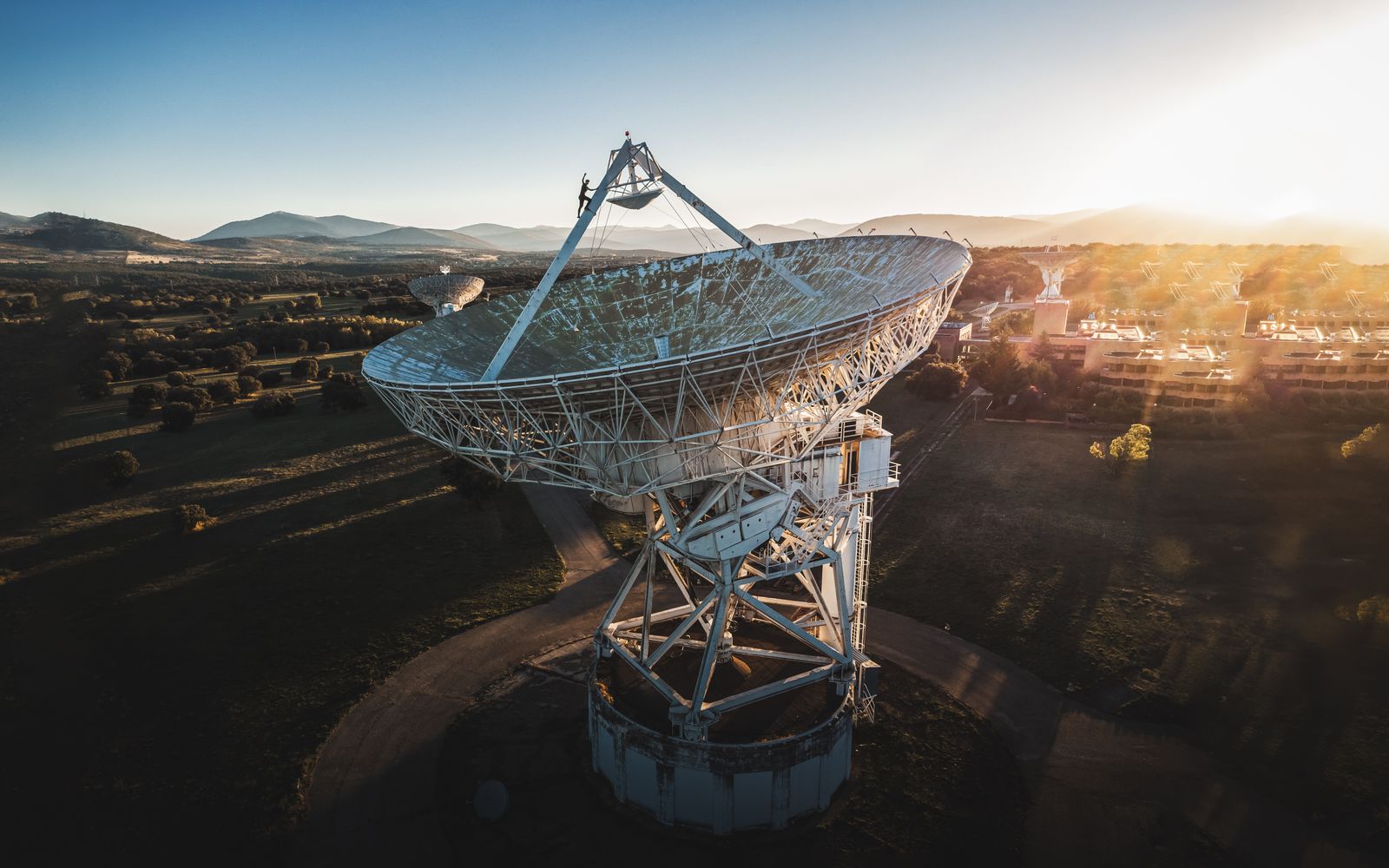
Representative Jim Himes has signaled an intent to withhold funding for SpaceX government contracts, citing concerns over Starshield service disruptions in Ukraine, as reported by Ars Technica. The threat follows reports that Starshield equipment experiences operational failures at speeds between 130 and 161 kilometers per hour, prompting a formal inquiry into the nature of these service changes.
Congressional Inquiry and Funding Risks
The potential funding freeze stems from a classified communication sent by Himes to the Director of National Intelligence. The inquiry seeks to determine whether the service modifications observed in October 2026 were implemented unilaterally by SpaceX or if they were directed by government officials. This development places significant pressure on the company, which earlier in 2026 secured a $2.29 billion contract from the US Space Force for the Space Data Network Backbone. The uncertainty surrounding these service disruptions highlights the complexities of managing private-sector dependencies in active conflict zones. When private vendors face sudden operational shifts, organizations must Fix Stakeholder Communication During Platform Migrations to ensure that all parties remain aligned on service expectations and technical constraints.
Operational Limitations and Technical Uncertainty
Ukrainian President Volodymyr Zelenskyy has publicly identified specific performance limitations, noting that the Starshield equipment ceases to function when moving at speeds between 130 and 161 kilometers per hour. These reports have become a focal point for the congressional investigation, as lawmakers attempt to clarify the technical parameters of the service. It remains unknown whether these limitations are inherent to the hardware, a result of software-defined geofencing, or a consequence of external interference. The lack of public clarity regarding the cause of these disruptions complicates the assessment of whether the system is performing as intended under its current military contract or if it is failing to meet established operational requirements.
Broader Implications for Military Procurement
The controversy underscores the risks associated with the increasing reliance on commercial space providers for critical national security infrastructure. While the US government continues to integrate private technology into its defense architecture, the Starshield situation suggests that the lack of transparency in private-sector decision-making can lead to friction with legislative oversight bodies. The outcome of the inquiry into the October 2026 service changes will likely influence future procurement strategies and the degree of control the government demands over commercial satellite operations. Whether this dispute results in a long-term funding reduction or a new framework for vendor accountability remains to be seen, as the investigation into the company’s military business practices continues.
Continue Exploring
You Might Also Like

Amazon NYC Delivery Protection Act Shipping Labels
Amazon has begun printing warnings on shipping labels regarding the proposed NYC Delivery Protection Act, citing potential cost increases for consumers.

Quaise Energy Google Geothermal Power Agreement
Google has announced a $500 million investment in a Quaise Energy geothermal project in Oregon, aiming to secure 50 megawatts of power using super-hot rock technology.

Validate Title Query Terms With English Inflections
Learn how to validate query-led titles using a narrow English inflection rule that accepts grammatical variants without permitting keyword stuffing or false positives.