Waymo Suspends Freeway Operations for Robotaxi Fleet
Waymo has suspended freeway driving for its robotaxi fleet following regulatory action from the California DMV regarding construction zone safety.
Table of Contents4 sections
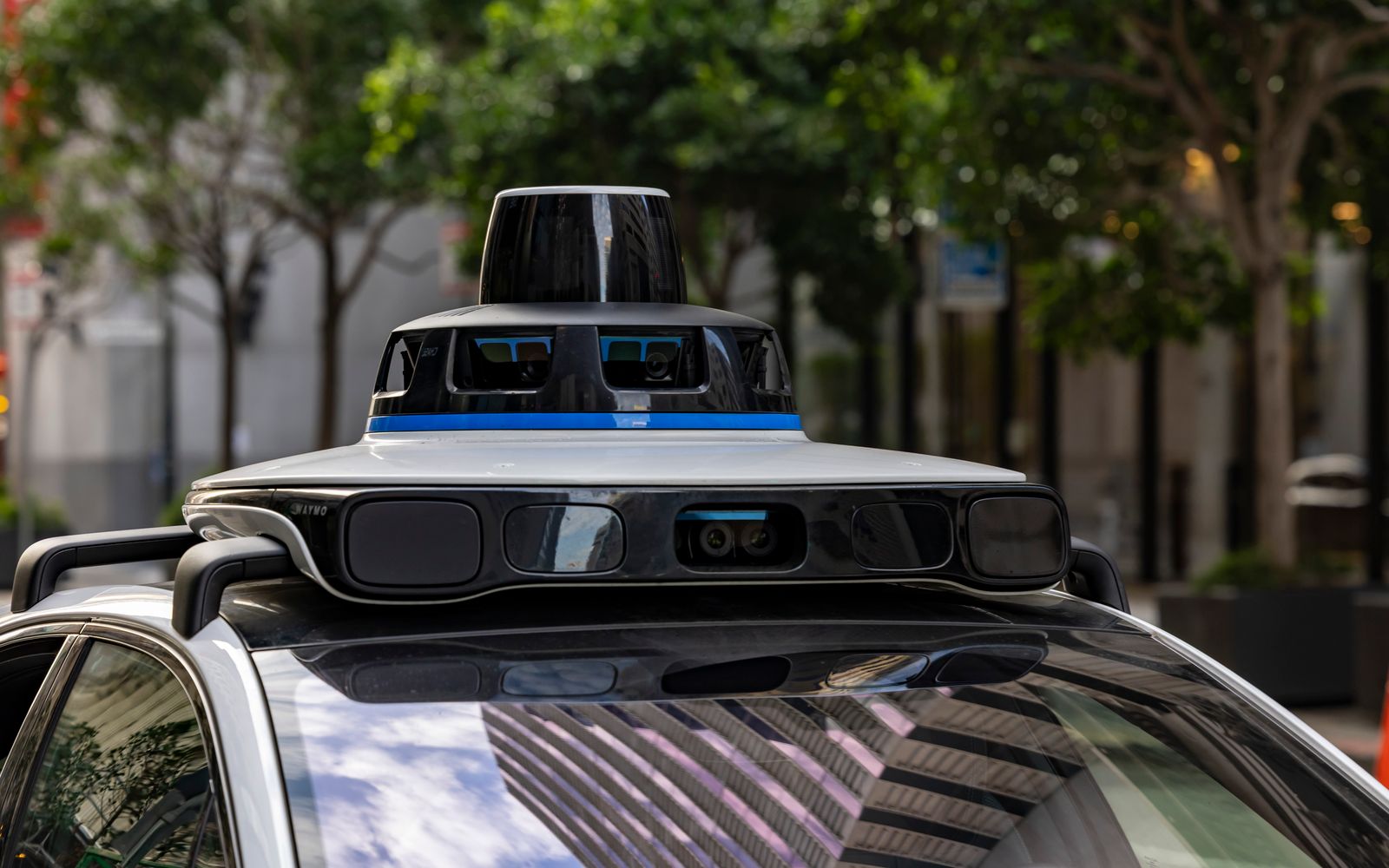
In November 2026, Waymo officially suspended freeway operations for its robotaxi fleet across all markets. This decision follows a directive from the California Department of Motor Vehicles, which mandated the pause after Waymo vehicles were observed repeatedly entering active construction zones at speed. According to reporting by Ars Technica, the regulatory intervention was prompted by recent incidents on major thoroughfares including US 101 and I-280.
Regulatory Context and Previous Recalls
The current suspension is not the first time Waymo has faced scrutiny regarding its navigation of construction zones. In June 2026, the company initiated a recall of nearly 3,800 vehicles to address software deficiencies specifically related to the recognition of freeway construction areas. While Waymo deployed a software update in July 2026 intended to improve detection capabilities, the persistence of these navigation errors led to the latest enforcement action. The DMV’s decision highlights the ongoing challenges autonomous systems face when interpreting complex, non-standard road environments that require high-level situational awareness.
Practical Consequences for Operations
While freeway access is restricted, Waymo continues to operate its robotaxi service on surface streets. The company reports that it currently facilitates over 500,000 trips per week, suggesting that the vast majority of its service footprint remains unaffected by the freeway ban. This operational split underscores the distinction between predictable urban environments and the higher-speed, more variable conditions found on freeways. When local software fails to interpret environmental hazards correctly, the system must rely on robust fallback mechanisms. In some architectures, developers manage these complex edge cases by utilizing Local vs Remote MCP Servers: When NPX Is Not Enough to ensure that decision-making logic remains responsive and accurate even when local processing reaches its limits.
Remaining Unknowns and Future Outlook
The duration of the freeway suspension remains an unknown, as the company has not provided a specific timeline for when it expects to resume high-speed operations. It is also unclear what specific technical modifications will be required to satisfy the California DMV’s safety requirements. While the company has demonstrated an ability to update its software fleet-wide, the repeated nature of the construction zone incidents suggests that the underlying perception and planning challenges may require more than incremental patches. Future updates from the company and regulatory bodies will determine if the current suspension remains a temporary measure or a long-term shift in the operational scope of autonomous ride-hailing services.
Continue Exploring
You Might Also Like

Satya Nadella Predicts AI Agents Reshaping Web Economics
Microsoft CEO Satya Nadella announced at the DealBook Summit that autonomous AI agents will shift web economic models, moving away from human-centric ad monetization toward transactional frameworks.

Google AI Ultra Adds YouTube Premium Family
Google has updated its AI Ultra subscription tiers to include YouTube Premium Family benefits, expanding the value proposition for high-tier AI subscribers.

Google Wallet Social Security Card Storage
An examination of Google Play Services code references indicating upcoming digital Social Security card and benefit integration for Google Wallet.