Windows 11 Power States: Sleep, Hibernate, or Shut Down
A detailed technical guide explaining when to use Sleep, Hibernate, Shut down, or Restart on Windows 11, including how Fast Startup and Modern Standby affect battery drain and session recovery.
Table of Contents5 sections
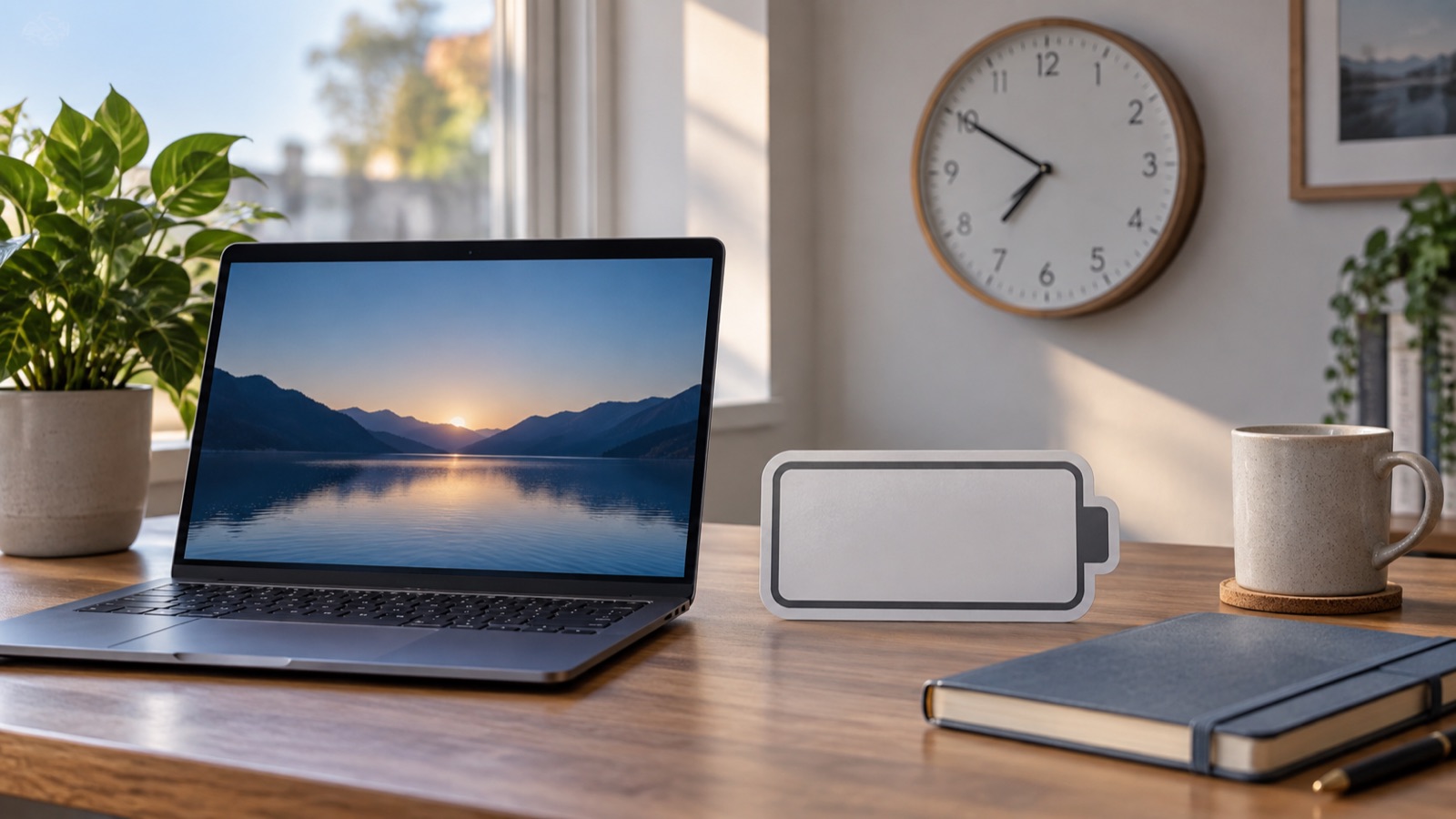
Sleep, hibernate, shutdown, and restart solve different power and recovery problems.
Choosing the correct power state on Monitor Windows Network Throughput 11 determines whether your laptop preserves battery life during a flight, retains your open editing session over the weekend, or clears a stuck network driver during a workday. Selecting the wrong state often leads to unexpected battery drain in a backpack, lost unsaved work, or unresolved peripheral glitches that persist across reboots. The core question is straightforward. How do Sleep, Hibernate, Shut down, and Restart differ under the hood, and which one fits a specific operating scenario?
To answer this quickly, consider the intended duration of your away time, the importance of saving battery energy, and whether you need to apply pending security updates or reset loaded device drivers. The following decision matrix provides a reliable framework for daily Windows 11 administration.
| Scenario | Recommended State | Why This Works | Trade-Offs |
|---|---|---|---|
| Short coffee break (15 to 30 minutes) | Sleep | Keeps RAM powered, enabling instant resume in under two seconds. | Continues to consume low battery power over time. |
| Overnight storage at home | Sleep or Shut Down | Sleep maintains the session; Shut down preserves battery entirely. | Sleep drains battery if unplugged; Shut down loses unsaved open tabs. |
| Traveling with a laptop in a bag | Hibernate or Shut Down | Writes system state to storage and turns off all hardware power. | Wakes slower than Sleep and requires free disk space equal to RAM. |
| Installing Windows updates | Restart | Clears kernel memory, applies pending binaries, and reinitializes drivers. | Terminates active user applications without saving state. |
| Resolving a frozen USB driver or audio bug | Restart | Forces a complete teardown and reload of the Windows driver stack. | Interrupts current workflow. |
Understanding Sleep and Modern Standby
Sleep is designed for short interruptions. When you put a Windows 11 system to sleep, the processor enters a low-power state, and memory maintains its contents while drawing a minimal electrical current. This allows the computer to wake up almost instantly when you lift the lid, press a key, or move the mouse.
Modern Standby complicates this traditional behavior on modern laptops. Instead of turning off most components like older S3 sleep states, Modern Standby keeps the network connection alive in a low-power mode so the operating system can fetch Email Account Safety Developers notifications and background updates. While convenient, this background activity can occasionally cause a laptop to wake unexpectedly inside a closed bag, generating heat and depleting the battery before you reach your destination. If your laptop grows warm during transit, transitioning from Sleep to Hibernate or Shut down is the most reliable mitigation.
Demystifying Hibernate and Disk Storage
Hibernate saves your entire active session by copying the contents of physical RAM into a dedicated file on your storage drive (hiberfil.sys) and then cutting all electrical power to the system. When you power the computer back on, Windows reads the image file directly from the drive back into memory, restoring your desktop exactly as you left it.
This mode is ideal for long pauses or travel because it consumes zero battery power while the device is off. However, Hibernate has two strict technical prerequisites. First, your system drive must have free storage space equal to or greater than the amount of installed RAM to store the memory dump. Second, the motherboard and power management firmware must support the capability. On many modern Windows 11 machines, Hibernate is hidden by default in the Start menu. You can verify and enable it via an administrative command prompt.
powercfg /hibernate on
Running this command instructs the Windows power engine to create the hiberfil.sys file and expose the Hibernate option within the standard power menu.
Shut Down and the Reality of Fast Startup
Many users assume that clicking Shut down turns off the computer completely. In default Windows 11 configurations, however, Shut down initiates a hybrid process known as Fast Startup. Instead of performing a full kernel teardown, Fast Startup closes all user sessions and then hibernates the Windows kernel session before turning off the machine. This optimization allows the computer to boot up significantly faster on subsequent power-on events.
While Fast Startup improves boot times, it can occasionally carry forward driver inconsistencies or minor system glitches because the core kernel state is restored from a saved image rather than built fresh from scratch. If you suspect your hardware drivers are behaving erratically or if an application refuses to release a locked file handle, a standard shutdown using Fast Startup may not resolve the issue.
To perform a truly clean system initialization that flushes the entire kernel memory state, you must explicitly choose Restart from the menu, or hold the Shift key while clicking Shut down.
Troubleshooting and Practical Maintenance
When a peripheral device stops responding, such as an external monitor, a Bluetooth mouse, or an audio interface, attempting to fix the issue by putting the computer to Sleep or using default Shut down often fails because the problematic driver state is preserved in memory or in the Fast Startup image.
A deliberate Restart forces the Windows kernel and all loaded drivers to unload and reinitialize from storage. If you need to verify whether your system recently performed a complete restart rather than a hybrid shutdown, you can inspect the kernel boot logs via PowerShell.
Get-WinEvent -FilterHashtable @{LogName='System'; ID=1074} -MaxEvents 5
This command queries the Windows Event Log for system state transition entries, displaying the exact timestamp and reason code for the last few shutdowns or restarts, helping you verify maintenance routines.
Practical Takeaway
Power management on Windows 11 is a balance between recovery speed and hardware safety. Use Sleep for short pauses during the workday, Hibernate for long periods of travel when you need to preserve your open session without consuming battery, and explicit Restarts when troubleshooting driver anomalies or applying system updates.
Continue Exploring
You Might Also Like
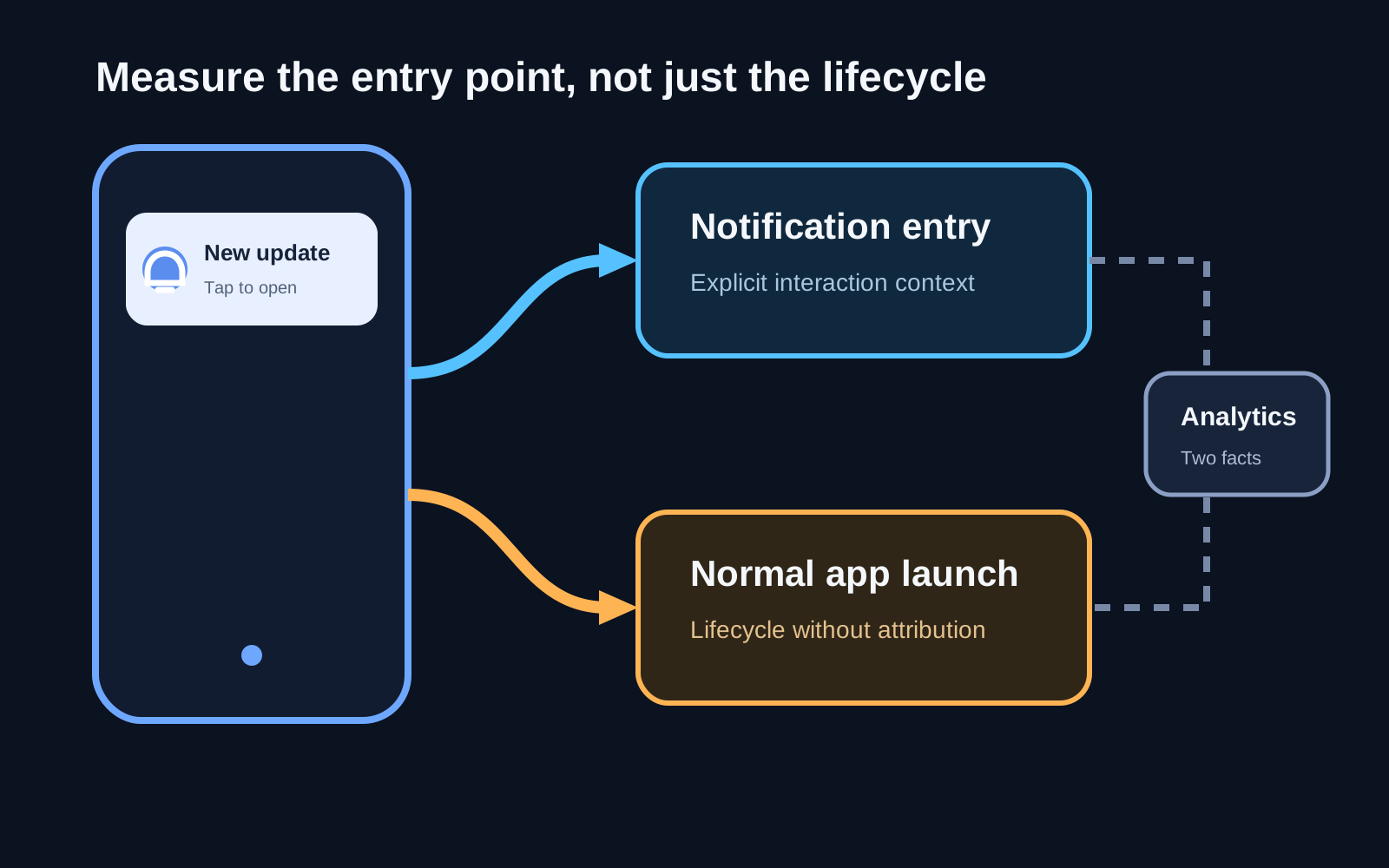
Android Notification Opens vs App Opens: Measure the Entry Point
A practical Android analytics pattern for separating notification-driven sessions from ordinary app launches without double-counting engagement.
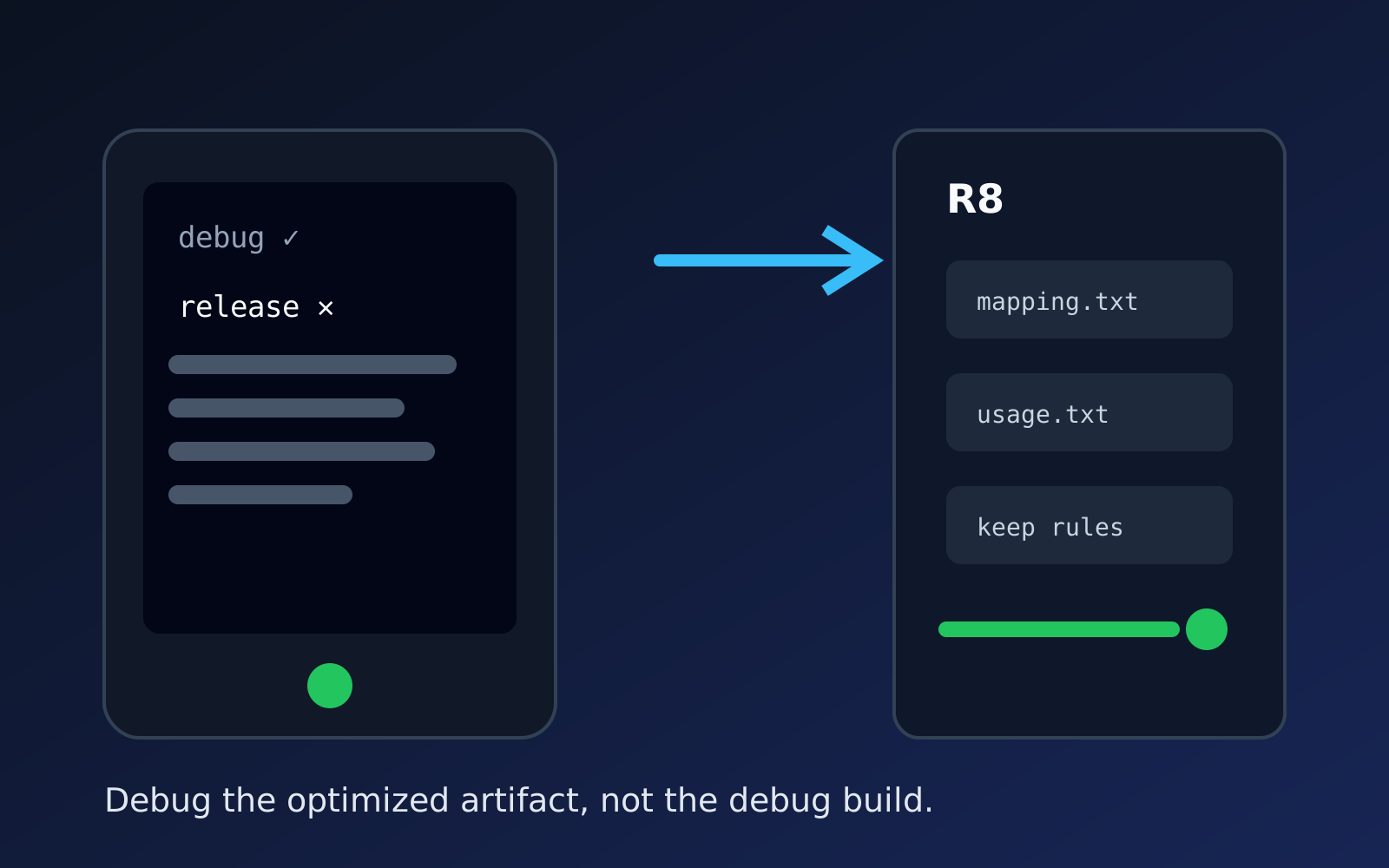
Android Release Build Crashes with R8: A Practical Debugging Workflow
Debug Android bugs that appear only after R8 optimization by reproducing the release artifact, retracing mappings, finding dynamic runtime edges, and writing narrow keep rules.
Android ABI Filters: How to Choose Architectures Without Breaking Devices
A practical guide to Android ABI filters, native library packaging, 32-bit and 64-bit support, and testing architecture choices across real devices.