Fixing Multimodal AI Fallback in Workflows
Learn how to separate text-generation fallbacks from visual review gates in serverless AI pipelines so that image verification fails closed instead of running on text-only models.
Table of Contents4 sections

Multimodal pipelines in serverless publishing workflows often route text drafting to one model and visual review to another. If a text provider fails, falling back to an alternate model keeps the writing phase moving, but reusing that same fallback policy for image verification creates silent failures.
Quick solution:
Validate the required modality explicitly before routing a fallback, ensuring that image-bearing reviews fail closed instead of accepting a text-only substitute.
if (stepType === 'visual_review' && !provider.supportsVision) {
  throw new Error('Visual review requires a multimodal capability; failing closed.');
}
The Failure Mode of Shared Fallbacks
When building distributed content pipelines, a common architectural pitfall is treating model availability as a uniform property. If a text-generation step fails due to a recognized regional availability constraint, routing to a fallback model is standard practice. But if that fallback policy handles visual review stages without checking capabilities, the system encounters a conceptual mismatch.
A text-only model cannot evaluate pixel data. If the fallback mechanism silently routes an image review to a text-only model, the review step receives an unsupported input format or a generic response. The system then misinterprets this as a passing review, bypassing the visual verification gate entirely.
Implementing Capability-Aware Routing
To maintain strict editorial and technical standards, pipelines must separate generation capabilities from review capabilities. Text drafting can leverage secondary providers or bounded fallbacks because the core requirement is generating coherent natural language. Visual review gates require explicit multimodal support.
When the primary vision-capable model is unreachable, the review step must fail closed. Preserving the source artifact for a subsequent run is safer than allowing an unverified asset to pass into production.
Precise Error Classification for Fallbacks
Another frequent pitfall in fallback design is broad error string matching. Searching an entire API response for keywords can cause false positives if a nested diagnostic message mentions an error state without originating from the top-level API status.
To prevent unrelated client errors from triggering unintended fallbacks, systems should parse structured provider errors and match the authoritative field precisely. The following implementation pattern demonstrates how to verify an exact top-level error message.
function isExactLocationError(err: unknown): boolean {
  if (typeof err !== 'object' || err === null) return false;
  const topLevelMessage = (err as { message?: string }).message;
  return topLevelMessage === 'REQUIRED_LOCATION_PRECONDITION_NOT_MET';
}
By restricting the match to the explicit top-level error.message, similar diagnostic strings buried inside nested details will not trigger a fallback. This protects the integrity of the routing logic and ensures unexpected exceptions are surfaced properly rather than masked.
Execution and Verification Checklist
- Confirm that text generation steps use bounded fallbacks only after recognizing specific provider error codes.
- Ensure visual review steps reject text-only model substitutions and fail closed when multimodal endpoints are unavailable.
- Test that nested diagnostic text inside error payloads does not trigger unintended fallback pathways.
- Verify that visual review functions make no extraneous text-model invocation calls during execution.
- Check that failed visual reviews preserve the source artifacts for later execution attempts.
Continue Exploring
You Might Also Like
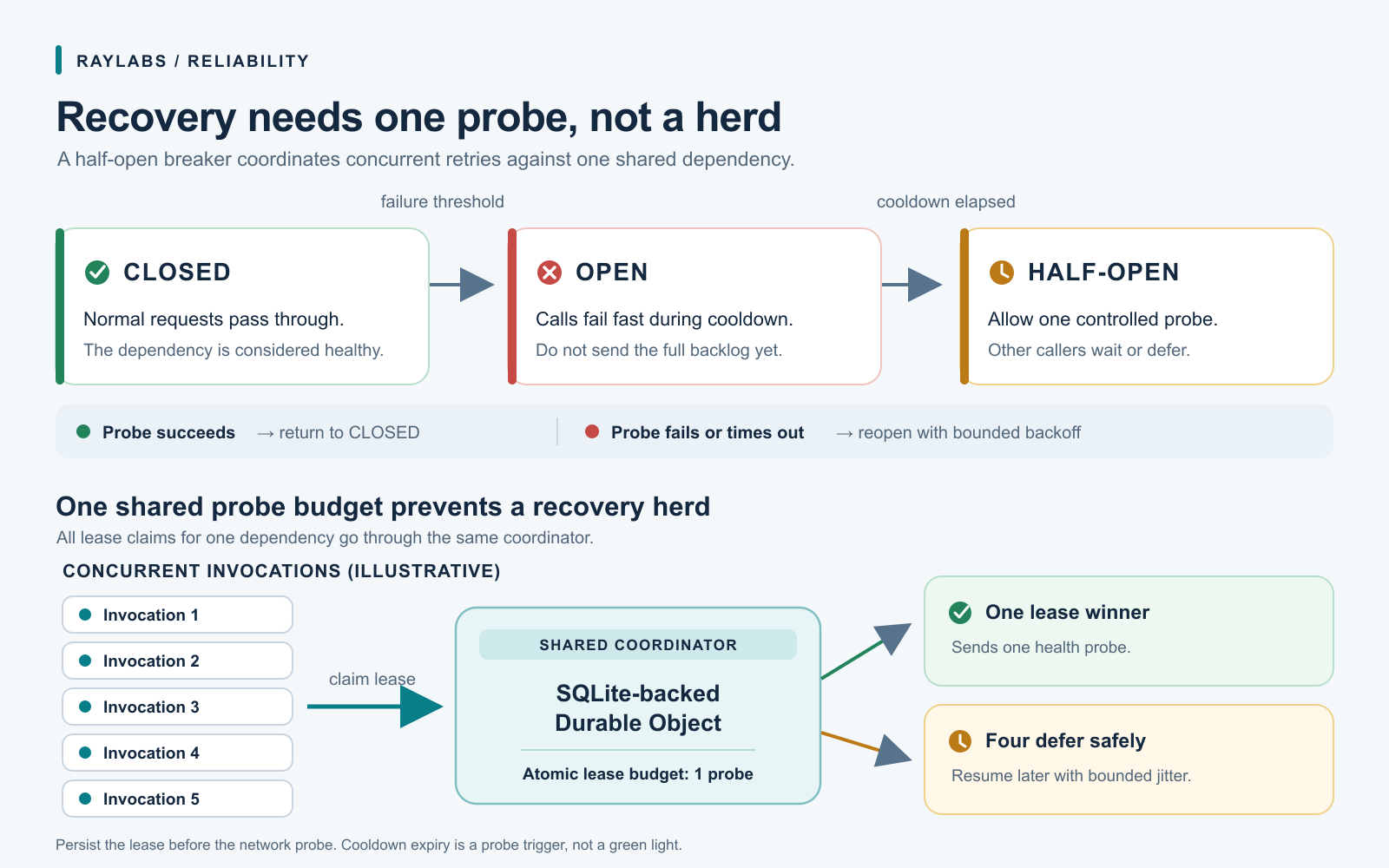
Half-Open Circuit Breaker Probes in Serverless Workers
Learn how to prevent thundering-herd recovery in serverless workers by coordinating half-open circuit breaker probes through a SQLite-backed Durable Object instead of eventually consistent key-value stores.
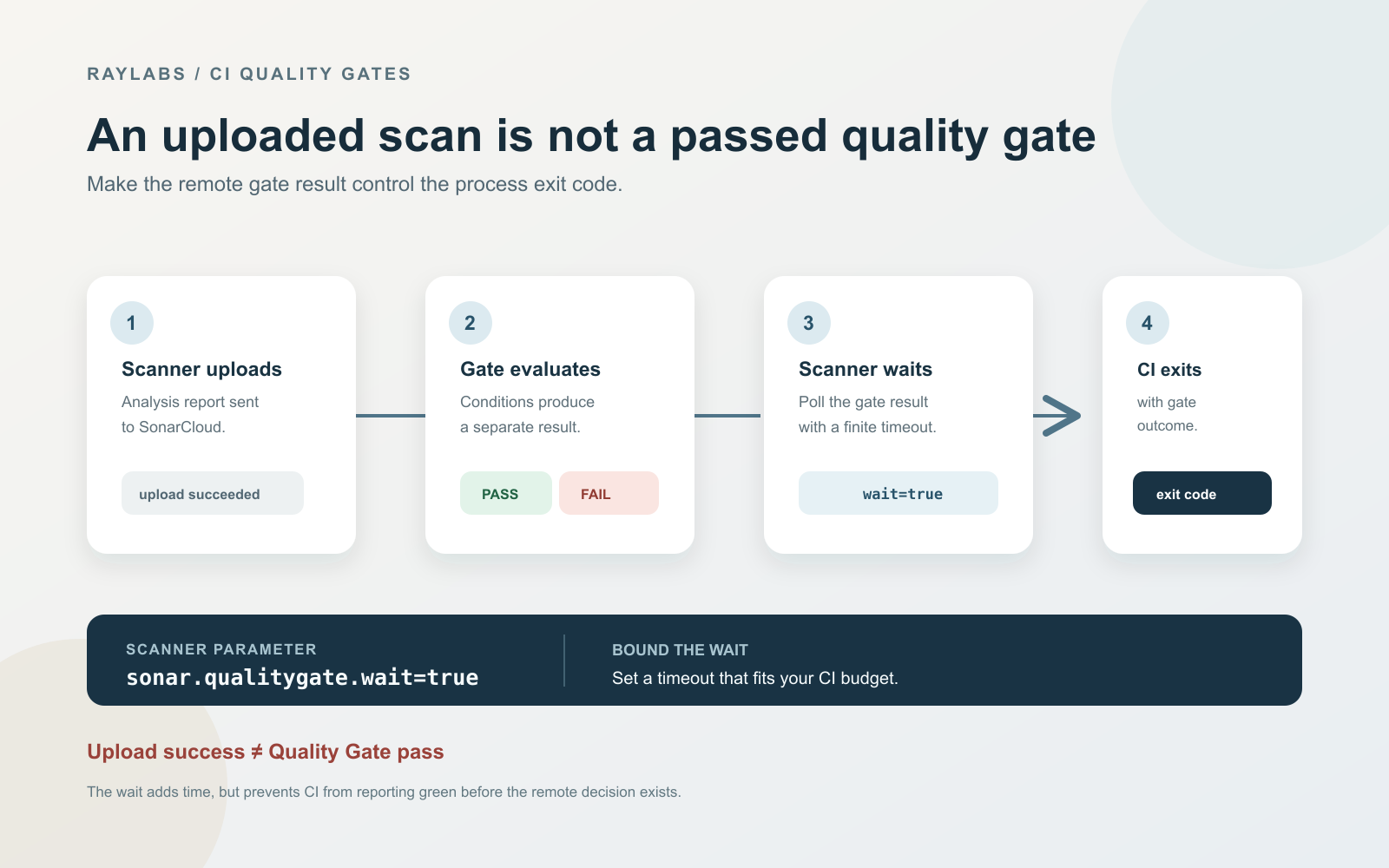
Make SonarCloud quality gate fail GitHub Actions
Learn how to configure your GitHub Actions workflow so it fails when your SonarCloud quality gate fails rather than passing on a successful scan upload.
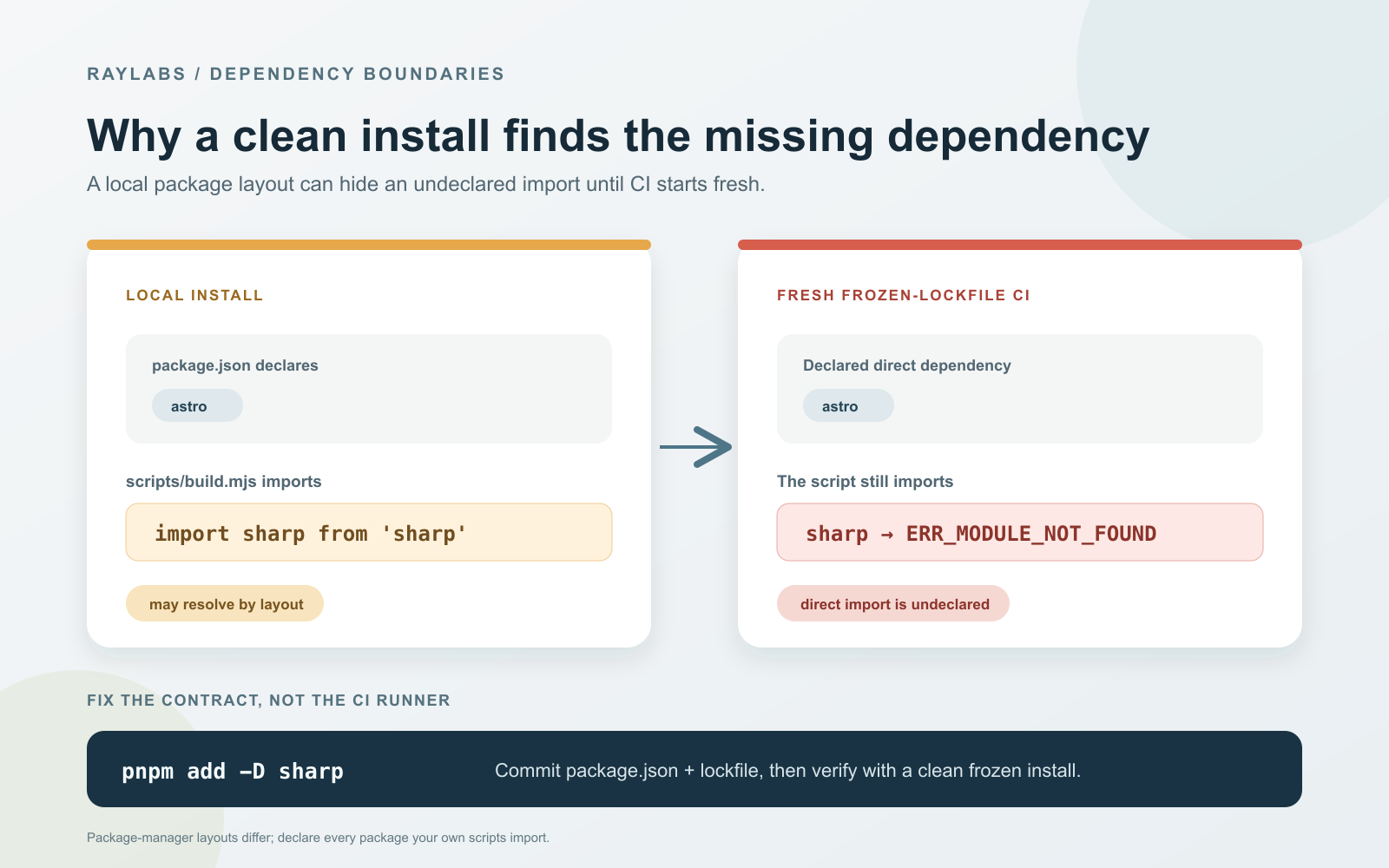
Fix pnpm Migration Phantom Dependency Errors
Learn how to diagnose and resolve ERR_MODULE_NOT_FOUND phantom dependency failures when transitioning from flat npm hoisting to strict pnpm in CI/CD pipelines.