NASA Mars Fleet Faces Technical Challenges in 2026
NASA's aging Mars exploration fleet is experiencing significant technical disruptions, impacting both surface and orbital assets as of November 2026.
Table of Contents4 sections
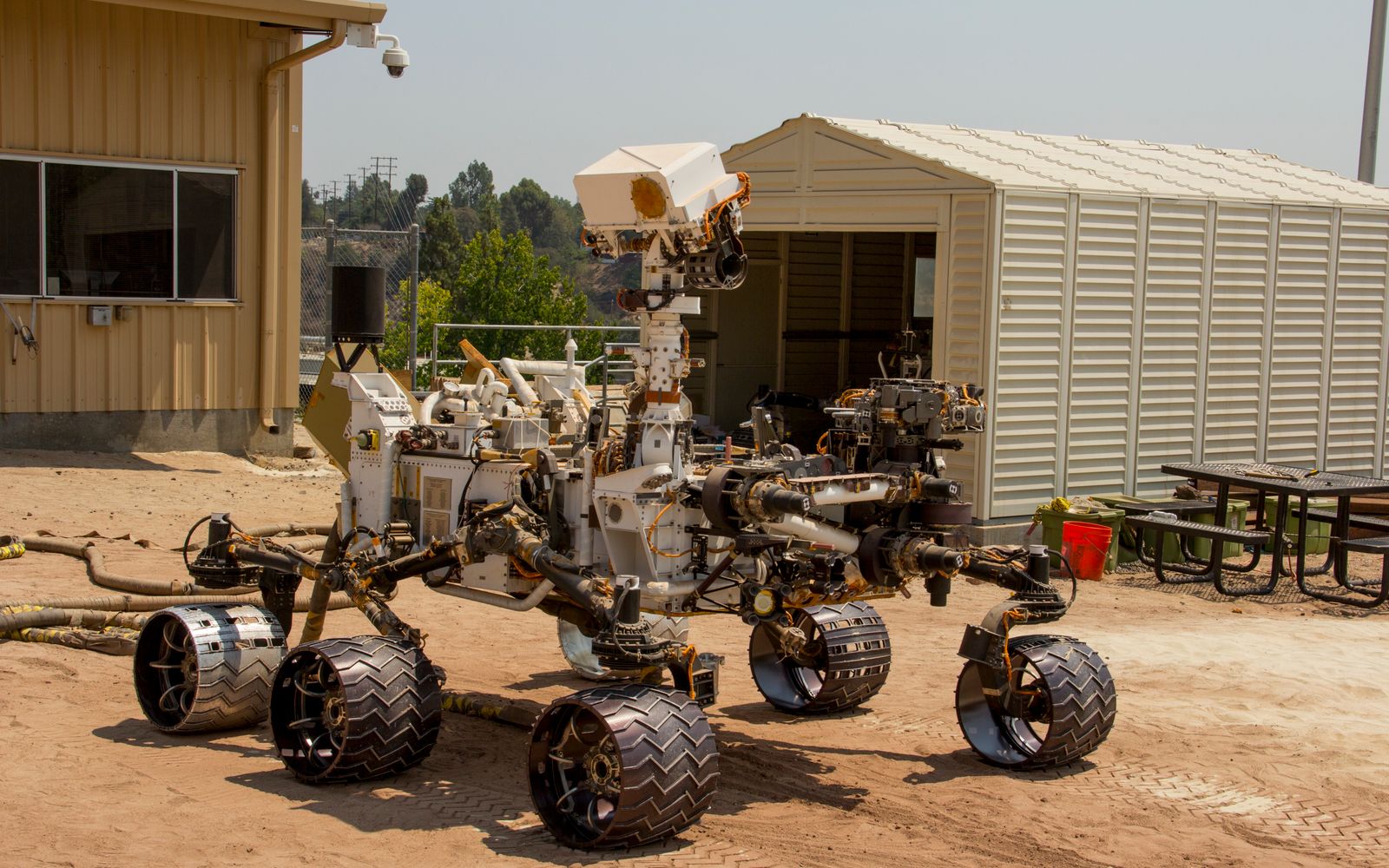
As of November 2026, NASA is managing a series of critical technical failures across its aging fleet of Mars exploration assets, according to reports from Ars Technica. These incidents have impacted the operational capacity of both surface rovers and orbital relay satellites, highlighting the challenges of maintaining long-term space infrastructure in harsh environments. The agency is currently navigating these hardware limitations while balancing the remaining lifespans of its active missions.
Impact on Surface and Orbital Assets
The Perseverance rover has suspended its science operations following a communications failure involving its redundant UHF radios. This disruption prevents the rover from effectively transmitting data back to Earth, a situation that underscores the importance of robust communication architectures. When managing complex systems, engineers must often design publishing queues that survive image provider outages to ensure that data remains accessible even when primary relay paths are compromised. Meanwhile, the MAVEN orbiter remains offline following an inertial measurement unit failure in December 2025, which caused the spacecraft to lose attitude control and spin. The loss of MAVEN represents a significant reduction in the relay capacity available to surface assets, forcing the agency to rely on a smaller set of aging orbiters to maintain connectivity with the Martian surface.
Critical Fuel Shortages and Infrastructure Risks
The 2001-era Odyssey orbiter is facing a severe operational constraint due to a reaction wheel failure. The spacecraft is now forced to rely on hydrazine thrusters for orientation, a process that consumes fuel at an unsustainable rate. Engineers estimate that the orbiter has only one to two months of fuel remaining. This situation illustrates the inherent risks of operating legacy hardware beyond its original design life. Such scenarios emphasize why organizations must prioritize a thorough technical review to identify potential failure points in critical systems before they manifest in the field. The reliance on thrusters for attitude control is a stopgap measure that highlights the fragility of hardware that has exceeded its intended operational lifespan by decades.
Future Connectivity and Project Uncertainty
Beyond the immediate hardware failures, the broader strategy for Mars communications faces administrative hurdles. NASA previously awarded a $700 million contract to Blue Origin for the development of a new Mars Telecommunications Network. However, this project is currently on hold due to a Government Accountability Office (GAO) protest. The delay in establishing this next-generation infrastructure leaves the agency with limited options for replacing the capabilities of its aging relay orbiters. The long-term impact of these combined technical issues on ongoing and future Mars exploration remains an open question, as NASA continues to assess the viability of its current orbital and surface assets. The agency has not provided a timeline for when the GAO protest might be resolved or when the new network might be deployed to mitigate the current infrastructure gaps.
Continue Exploring
You Might Also Like
SpaceX Starshield Ukraine Funding Controversy
An incoming House committee chair has threatened to withhold SpaceX funding following reports of Starshield service disruptions in Ukraine, raising questions about government oversight of private military contracts.

Amazon NYC Delivery Protection Act Shipping Labels
Amazon has begun printing warnings on shipping labels regarding the proposed NYC Delivery Protection Act, citing potential cost increases for consumers.

Quaise Energy Google Geothermal Power Agreement
Google has announced a $500 million investment in a Quaise Energy geothermal project in Oregon, aiming to secure 50 megawatts of power using super-hot rock technology.