An examination of the announcement concerning Nvidia CEO Jensen Huang's resignation, the congressional push to tighten AI chip export controls following a spy scandal, and the verified implications for the technology sec
Compare MoSCoW, the value-effort matrix, and strategic alignment frameworks for MVP feature prioritization. Learn when to use each, evaluate trade-offs, and apply a decision worksheet.
Learn how to operationalize responsible AI by building a risk register with accountable owners, moving beyond abstract governance into concrete product practice.
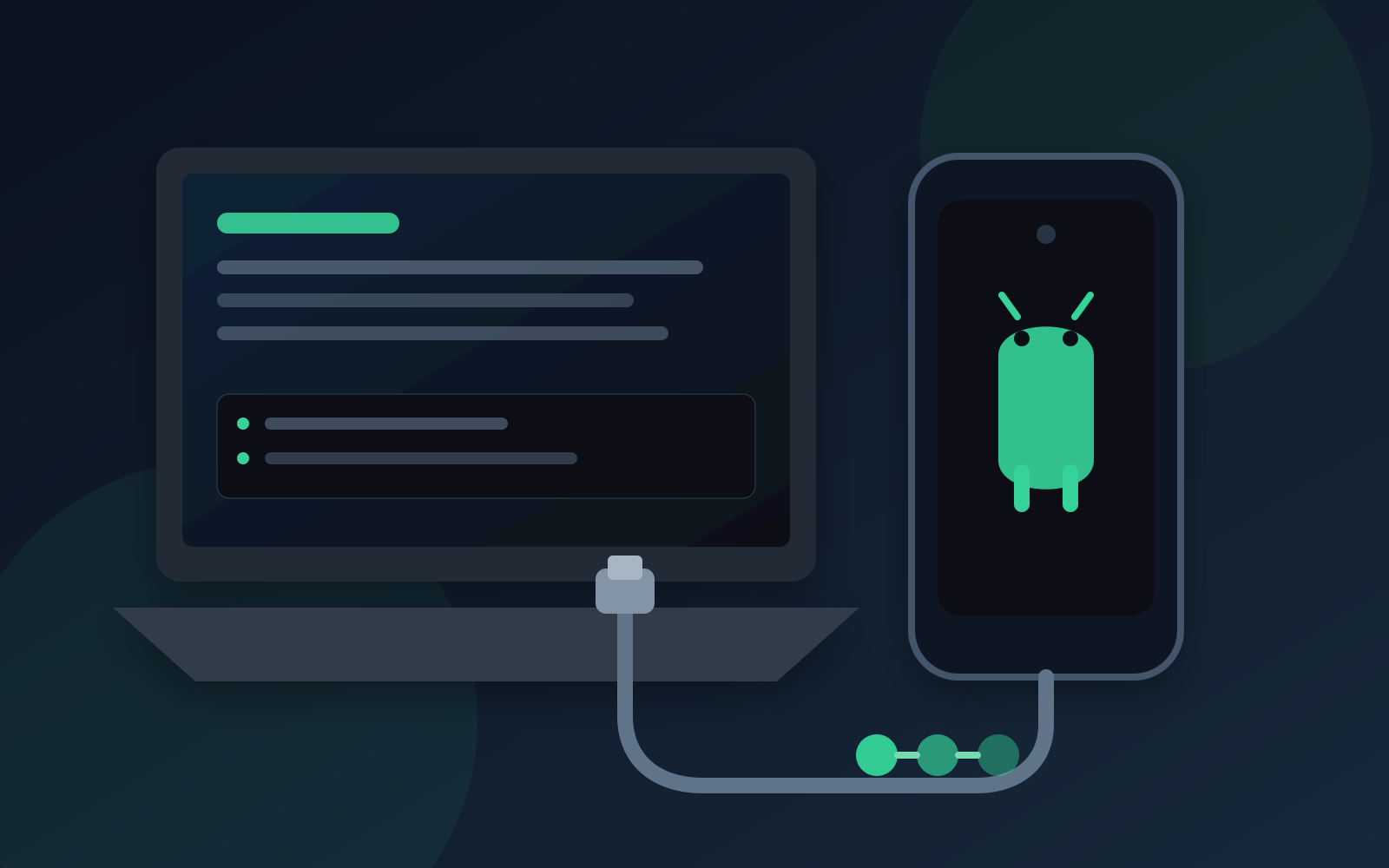
An overview of using AudioRelay to turn an Android device into a computer speaker, covering the technical requirements, connection methods, and performance trade-offs.
An analysis of the November 13, 2026 announcement regarding Gemini's Google Wallet integration for personal finance insights, detailing verified facts, Plaid connectivity, and practical implications.
A security researcher has publicly disclosed the Windows SignDrop zero-day vulnerability, which permits local privilege escalation. We examine the reported mechanism, conditional impact, and response status.
On November 14, 2026, 9to5Mac reported on the release of Milton, an indie application designed to repurpose older iPads running iPadOS 17 or later into functional household command centers.
Perplexity has expanded its Teammates agentic AI feature to the Mac platform, enabling users with paid subscriptions to deploy autonomous agents for complex, multi-step workflows.
An overview of the hidden Android task manager found in Developer options, its functionality, and the risks associated with manual background process management.
An analysis of the 2026 AI industry landscape, examining the consolidation of niche tools into major platforms and the factors driving recent project closures.
An overview of the Node.js 26.13.1 security update, covering patched vulnerabilities in http2 and tls modules, dependency upgrades, and practical implications for developers.
Google announced the Gemini Decisions API powered by the Gemini Decision 1 model on November 11, 2026, delivering fast, calibrated multimodal decisions for developers.
Google DeepMind announced Gemini 4 Hydrogen on November 12, 2026, introducing a model designed for developer and agentic tasks with new thinking levels and defined token pricing.
An analysis of the November 2026 Apple iCloud outage, detailing the verified timeline, impacted services, and practical consequences for users and administrators.
A comprehensive practical guide for product managers to secure AI-generated meeting summaries, covering access control, transcript retention, and human review.
A practical guide for product teams to design scalable, cost-effective Azure SaaS MVPs using architectural decision records, cost models, and reliable deployment strategies.
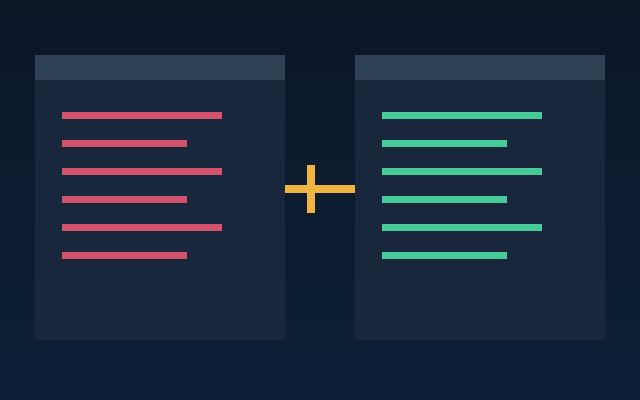
Discover why naive shell one-liners using command substitution break Git blob hash calculations by dropping trailing newlines and null bytes, and learn how stream grouping preserves raw byte integrity.
A technical comparison of generative design and generative AI, detailing their distinct engineering applications, failure modes, and practical implementation strategies for product teams.
A practical guide comparing Microsoft Project and Azure DevOps for product teams, examining scheduling architectures, backlog workflows, and selection trade-offs.
Learn how to normalize structured JSON responses from Cloudflare Workers AI to ensure compatibility with downstream parsers and prevent serverless workflow failures.
Learn how to build a reliable Power BI postal code map using synthetic survey data, proper data categorization, and Azure Maps without ambiguous geocoding.
Learn how to design a practical Power BI product KPI dashboard using clean event data, deliberate metric selection, and strict data quality constraints.
Learn how to revalidate persisted Cloudflare Workflow step outputs after code changes so newly tightened input contracts apply safely during both fresh execution and durable replay.
Learn how to secure autonomous AI coding agents in monorepo sparse worktrees by neutralizing Git cone-mode root file leaks and preventing unauthorized agent self-expansion.
Learn why git hash-object produces different checksums than raw disk bytes under CRLF and Git LFS configurations, and how to use the --no-filters flag to restore byte-for-byte parity.
Practical guidance for product teams on AI customer feedback analysis, featuring a coding rubric and minority-segment checklist to prevent high-level summaries from masking critical user issues.
Learn how to use AI user story examples to convert vague feature requests into structured role, need, and value statements with testable acceptance criteria.
A practical guide for product teams distinguishing alpha testing, beta testing, and user acceptance testing through definitions, exit criteria, and trade-offs.
Learn how to run practical prototype usability tests for enterprise software by focusing on task-level friction, realistic scenarios, observation logs, and severity-based issue triage.
An in-depth technical guide for product teams examining how multi-person buying dynamics alter product discovery, stakeholder mapping, and user interviews.
Explore why hash-only idempotency fails during AI agent crashes and learn how intent locking and full payload replay prevent duplicate external mutations upon reboot.
A practical guide for distinguishing product roadmaps from project plans, helping teams align strategic vision with delivery schedules without confusing high-level intent with task execution.
Practical guidance for product teams researching SaaS product maintenance KPIs, including activation, retention, adoption, incidents, latency, and denominators.
Practical guidance for product teams utilizing generative AI for product discovery, focusing on source verification, evidence checkpoints, and workflow trade-offs.
Learn how to turn a static SWOT exercise into actionable product decisions, connect internal and external factors to concrete tests, and map clear ownership.
Practical guidance for product teams researching AI generated user personas, including a persona template with explicit evidence labels and a walkthrough of the creation process.
Practical guidance and a health scorecard for product teams evaluating software product maturity strategy, balancing incremental optimization against replatforming or retirement.
Build a versioned, reviewable product documentation maintenance process across design, manufacturing, and distribution using modular structures and change control.
A practical guide to performing secondary market research and building a defensible market sizing assumption ledger without expensive proprietary tools.
A practical method to identify hidden dependencies between ERP modules, map system relationships, write clear acceptance criteria, and prevent integration failures.
Learn how to write a SaaS value proposition that moves away from generic feature lists and directly addresses customer jobs, pains, and gains using structured worksheets and validation questions.
Learn how to use AI for feature prioritization without losing product judgment, featuring a transparent scoring rubric, detailed trade-offs, and verification steps.
Learn how to build and maintain a competitor feature matrix template with traceable evidence, concrete validation steps, and practical product research patterns.
A comprehensive practical guide for product teams comparing PRDs, user stories, and product roadmaps with detailed traceability examples, failure modes, and trade-offs.
Practical guide and ten reproducible prompt-and-review examples for product managers using Microsoft Copilot for discovery, backlog refinement, and stakeholder communication.
Learn how to validate AI content briefs before triggering model calls by implementing deterministic preflight checks for intent, queries, and word ranges.
Learn how to apply Porter's Five Forces to B2B software markets, evaluate hidden structural risks like hyperscaler dependence, and use a concrete strategy worksheet.
A practical guide to standardizing Product Requirements Documents and Market Requirements Documents for product teams without enforcing rigid bureaucracy.
A practical guide for product teams on how to turn raw customer feedback into actionable roadmap priorities using structured evidence, frequency analysis, and outcome mapping.
Practical guidance for product teams on turning brainstorming sessions and meetings into approved backlog decisions using Microsoft Copilot, Whiteboard, and structured tracking tools.
A practical guide and go/no-go checklist for technical product teams preparing an AI-enabled feature release, covering data quality, guardrails, and human review.
Practical guidance for product teams examining AI recommendation bias examples, focusing on exclusion risks caused by unrepresentative training data and segment-aware evaluation.
Practical guidance for product teams defining a B2B SaaS MVP, focusing on one useful end-to-end customer workflow, scope worksheets, and security baselines.
Learn how to keep your Microsoft Word reports synchronized with changing Excel datasets by linking charts correctly, managing paths, and handling update failures.
An objective, evidence-based technical comparison of Microsoft Planner, Asana, monday.com, and ClickUp for enterprise hybrid teams navigating Microsoft Teams, Microsoft 365 permissions, and modern task management.
Learn how to choose between primary and secondary market research for product strategy. Compare costs, speed, freshness, and trade-offs using a practical decision framework.
A practical guide for product managers and engineers on how to systematically validate AI-generated requirements and user stories to prevent hallucinations and scope creep before development begins.
Practical guidance for product teams choosing between online surveys and focus groups, complete with a decision framework and unbiased question examples.
Learn how to use Android elapsedRealtime and Kotlin cancellation to reject late coroutine responses during startup health checks, preventing stale data from overwriting UI state.
Learn how row stride, pixel stride, crop bounds, and rotation interact when feeding CameraX YUV frames into ZXing, and ensure proper proxy lifecycle management.
Learn how to design two-tier QoS retry budgets in multi-stage agent workflows using guaranteed stage reservation floors and pipeline ceilings without letting cheap retries borrow from expensive stages.
Learn how freezing defective autonomous agent payloads to disk and routing them to an operator queue prevents costly external side effects and runaway token waste.
Learn how the Google Services Gradle plugin matches build variants to configuration files, where variant-specific JSON files live, and how to verify that your CI pipeline exercises the intended Firebase project.
Diagnose why updates to a shared package fail to trigger automatic deployments on Render by reviewing repository-relative build-filter paths, ignored path precedence, and manual deployment exceptions.
Learn how to handle OAuth integration data deletion for KV-backed applications, covering local records, provider revocation, repeated requests, and failure isolation.
Learn how to reserve an intentional layout budget before an asynchronous ad fills, manage empty inventory states, and trace late resizes without assuming zero cumulative layout shift.
Learn how to retry scheduled publishing after failures without double-publishing by separating attempt status, success streaks, and trial admission with source cooldowns and expiry bounds.
Learn how to separate endpoint discovery via RFC 9728 and RFC 8414 from strict runtime JWT validation using RFC 8725 best practices, preventing token-type confusion and audience bypasses.
Learn how to build application-level dry runs for Cloudflare Workflows that safely read real queues without triggering external provider calls or publication writes.
Learn how to correctly manage Android WebView onShowFileChooser callbacks, handle overlapping chooser requests, complete cancellations, and process URI results safely.
Learn how to handle mid-batch crashes during API polling by separating retrieval progress from side-effect completion and tracking per-item recovery evidence.
Learn how to configure bounded pagination for Pexels API image searches when candidate assets fail validation or reuse checks, preventing premature queue deferrals.
Learn how to build crash-resilient always-on AI agents that recover from failures without wasting tokens or duplicating destructive tool mutations using write-ahead logs and idempotent keys.
Learn how to preserve fallback search semantics when a requested query equals the fallback query, preventing strict relevance thresholds from rejecting valid candidate images.
Learn how to build a bounded failover chain for Gemini API keys that handles both quota exhaustion and transient server errors without leaking secrets.
Learn how to build a knowledge base bot that safely abstains when its local index lacks matching answers, distinguishing related passages from true evidence.
Learn how to bridge the gap between natural-language reviewer feedback and deterministic repair prompts by matching semantic word-count blockers and passing explicit targets to automated retries.
Understand how offline license signature verification works in browser extensions, what belongs in the signed payload, and why client-side runtimes have local trust limits.
An exploration of why random data endpoints break standard pagination contracts, how PagingSource handles empty batches, and what trade-offs exist when pagination keys lack stable ordering.
Learn how an editorial publishing pipeline keeps internal engineering provenance in private inputs while validating only eligible public citation metadata before any site commit.
Examine how unhandled null values in weighted scoring models can accidentally become the best score after normalization, and explore policy alternatives for robust ranking.
Learn how to prevent cascading retry storms and runaway API costs in multi-agent systems by implementing the Speculative Draft Pattern and Hard Tool Budgets.
Learn how to safely refactor a complex Cloudflare Workflow into helper methods without altering durable step names, retry behavior, or cached state replay.
Learn how to safely remove obsolete image assets when revising a published article by scoping deletion to logical article identity and executing atomic tree updates.
Learn how to configure separate Google Cloud projects for Gemini API keys to handle rate-limit exhaustion and ensure your serverless workflow fails over correctly.
Learn how separate builder and reviewer retry budgets prevent early validation errors from blocking qualitative editorial repairs in automated AI workflows.
Examine why manual parent workflows fail at child boundaries when custom instance identifiers violate downstream prefix assumptions, and learn how to validate platform IDs safely.
Learn how to prevent automated publication asset discovery tools from mistaking literal Markdown image examples inside code blocks for real media dependencies.
Pnpm shares package contents between separate installs through a global content-addressable store, but each project maintains its own dependency graph and node_modules structure.
Separate content validity from media-provider availability so transient image failures defer the same article instead of discarding work or creating duplicates.
Understand why hashing raw file bytes produces a different value than Git and the GitHub API, explore UTF-8 byte length versus string length, and learn when to use a separate digest for application integrity.
Build a local-first error log with bounded retention, secret redaction, and user-initiated reporting for plugin ecosystems that prohibit client telemetry.
Learn how to build a privacy-safe public receipt link using high-entropy bearer tokens, SHA-256 hashing at rest, constant-time verification, no-store caching, and an explicit allowlisted response DTO.
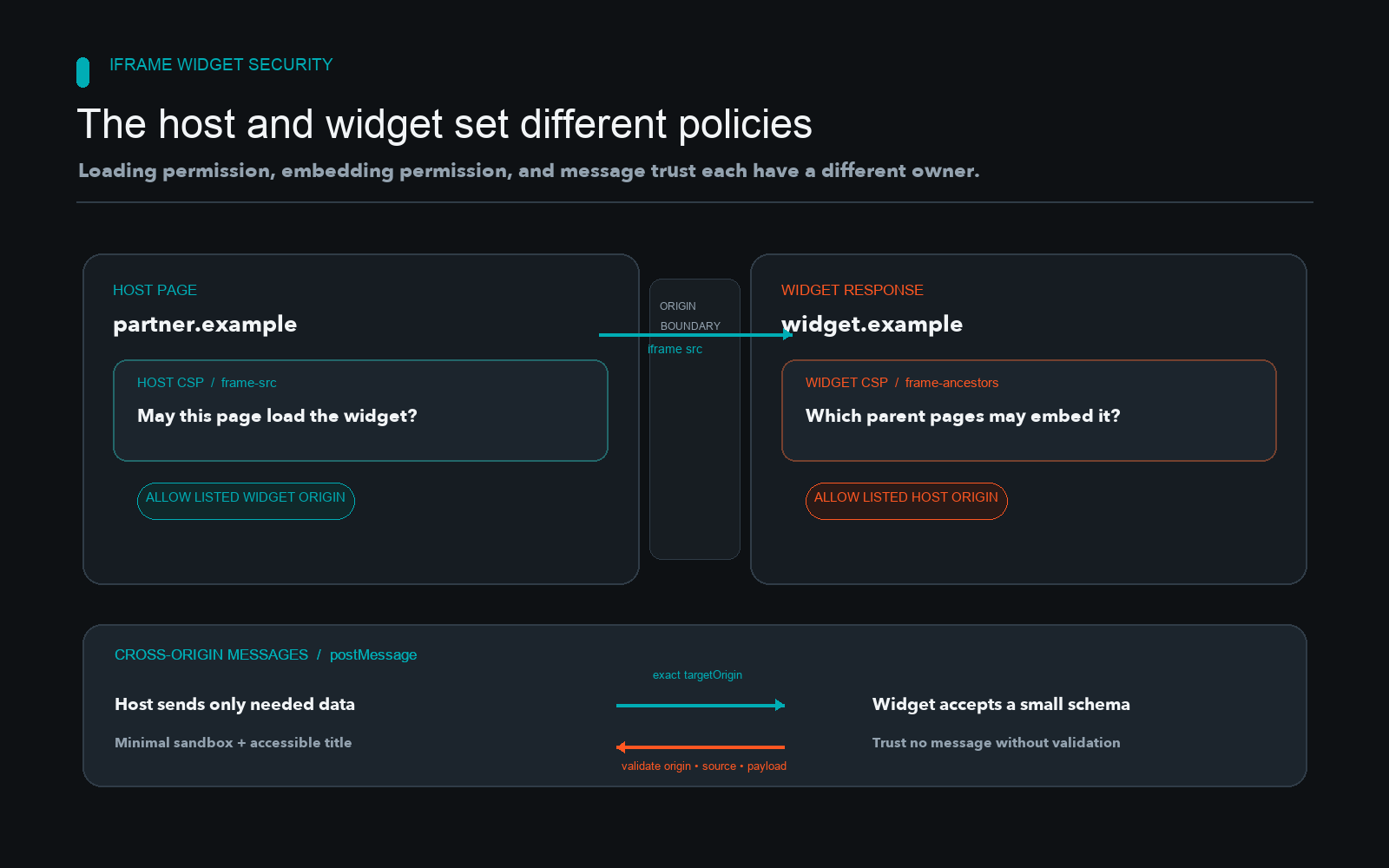
Learn how to build and securely embed an interactive iframe widget on third-party websites by enforcing least-privilege sandboxing, validating postMessage payloads, and configuring strict CSP policies.
Learn how to limit the working-tree paths visible to a coding agent using Git worktrees and sparse-checkout, while keeping workspace visibility distinct from security enforcement.
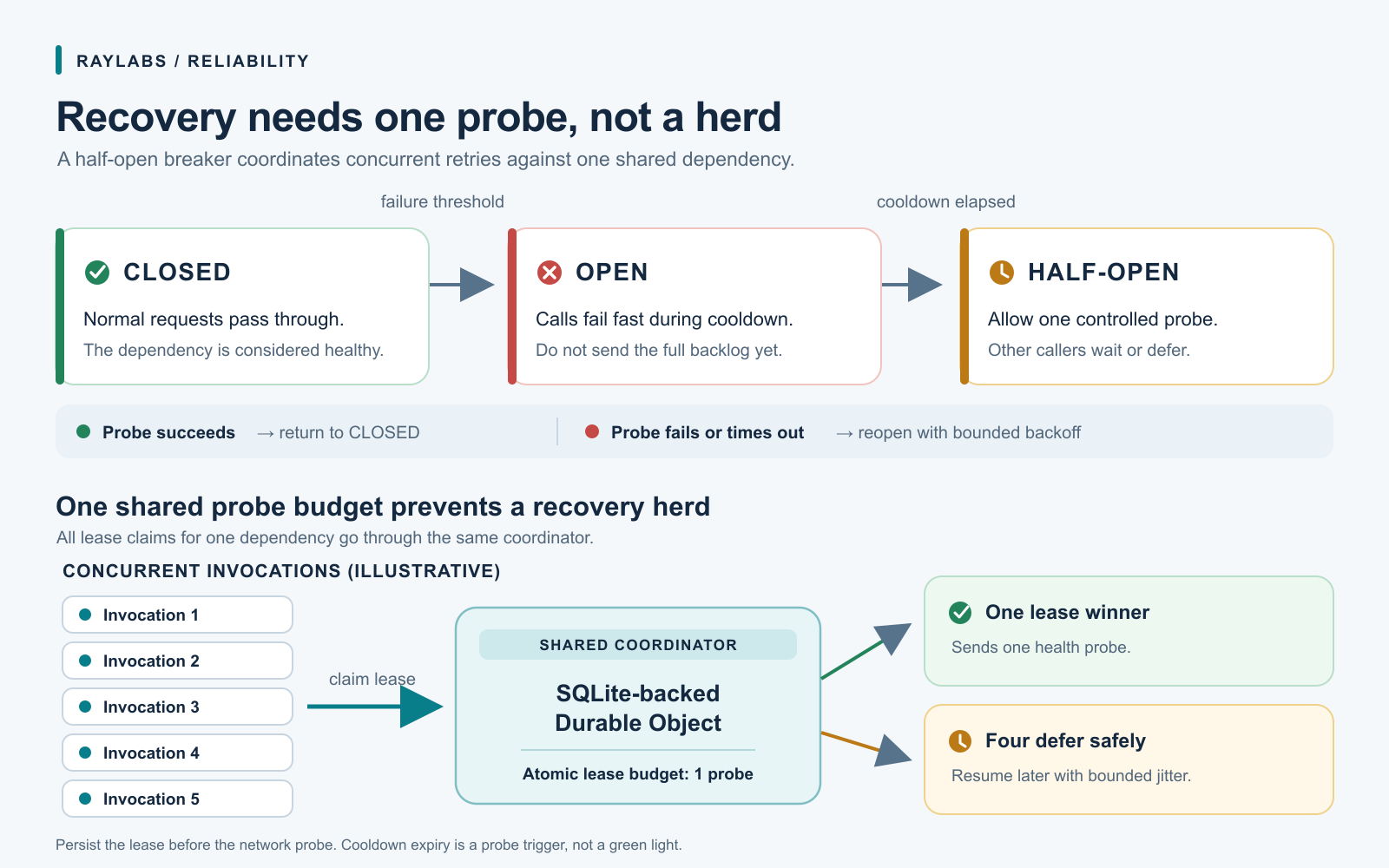
Learn how to prevent thundering-herd recovery in serverless workers by coordinating half-open circuit breaker probes through a SQLite-backed Durable Object instead of eventually consistent key-value stores.
Learn how to separate text-generation fallbacks from visual review gates in serverless AI pipelines so that image verification fails closed instead of running on text-only models.
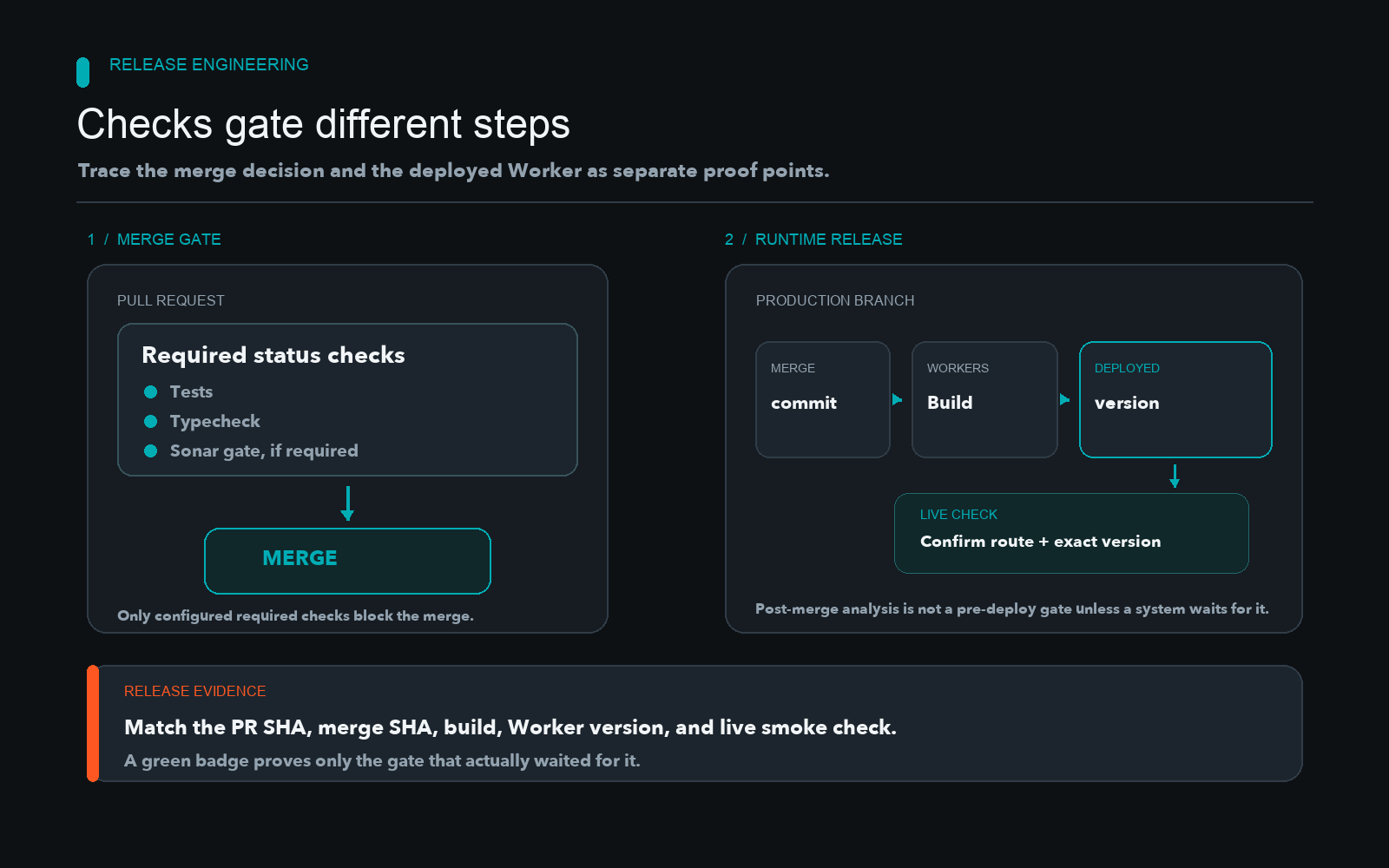
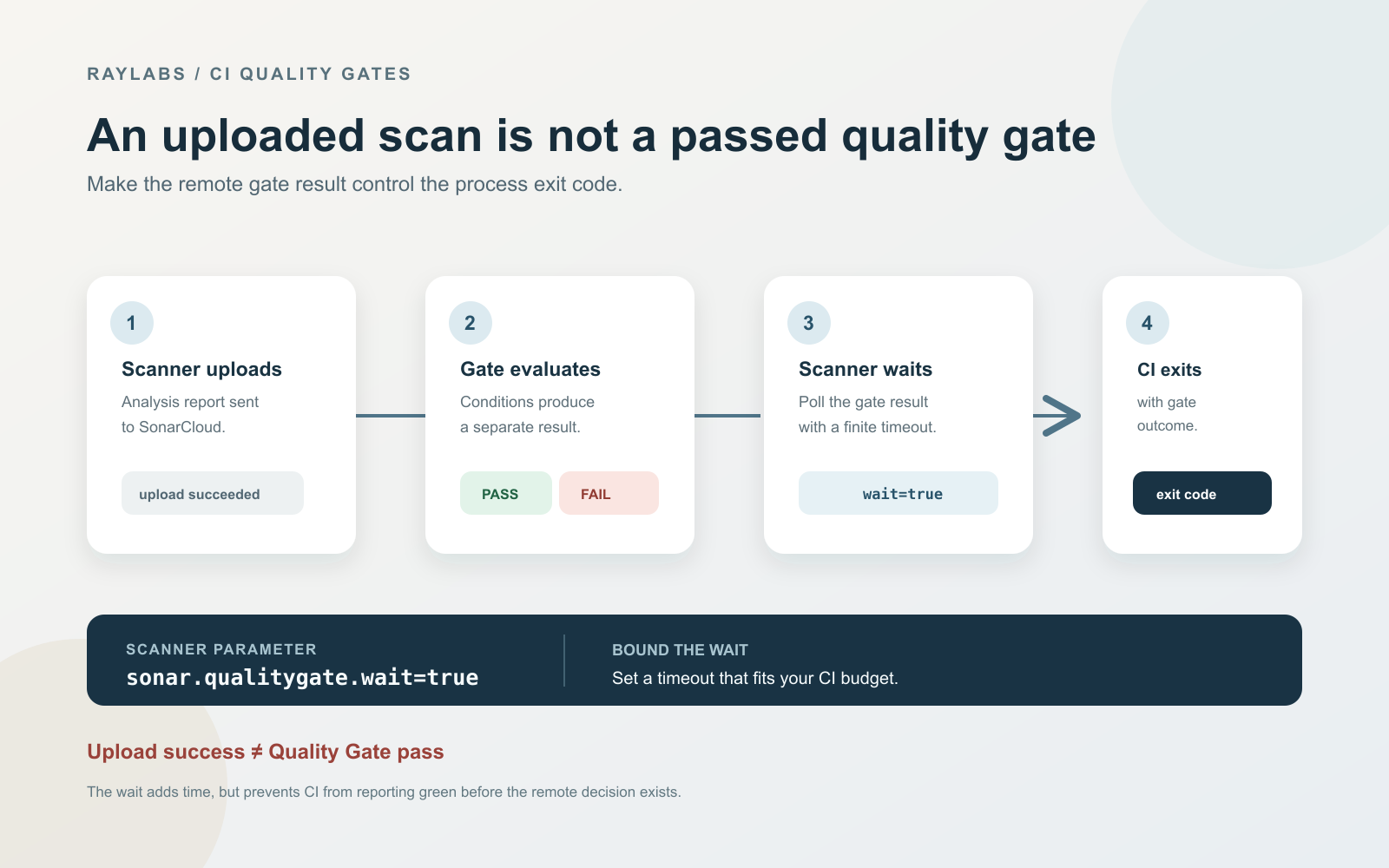
Learn how to configure your GitHub Actions workflow so it fails when your SonarCloud quality gate fails rather than passing on a successful scan upload.
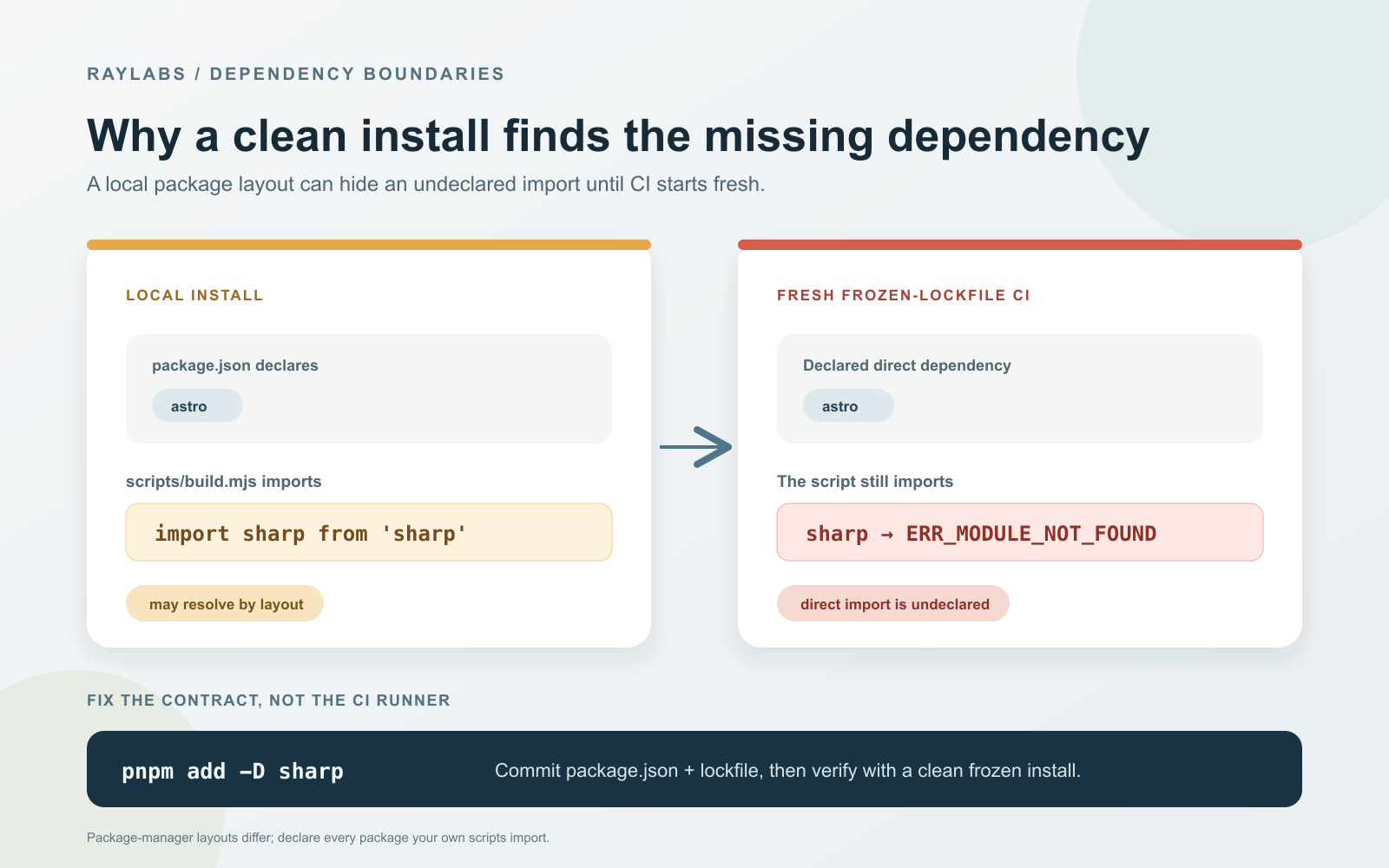
Learn how to diagnose and resolve ERR_MODULE_NOT_FOUND phantom dependency failures when transitioning from flat npm hoisting to strict pnpm in CI/CD pipelines.
Learn how to avoid regular expression denial of service vulnerabilities in lightweight Markdown frontmatter parsers by replacing complex regex with bounded line scans.
An analysis of why poll-based reply bots fail silently in production due to bare continue statements and fixed lookback windows, with architectural solutions for structured skip reporting.
An architectural guide on how to safely manage cleanup and ephemeral lifecycles for parallel AI coding agents in Git worktrees without corrupting shared reflogs.
Learn how to build a reliable scheduled digest email for high-frequency serverless cron systems, featuring local-timezone logging, fallback raw-stats reporting, and advisory-only recommendations.
Learn how to host multi-image Threads carousels directly inside a Cloudflare Worker using KV storage, bypass external object storage, and manage the publishing pipeline.
Learn how SonarQube scope affects duplication metrics in TypeScript static sites, and why moving repeated records to excluded JSON changes the report without deduplicating repository data.
A practical guide to diagnosing, remediating, and maintaining a zero-defect SonarCloud Quality Gate Rating A across static web applications and frontend architectures without sacrificing developer velocity.
Learn how to diagnose and resolve high-impression, zero-click search leaks on technical documentation by aligning metadata titles with developer error-intent queries.
Learn how to design self-clearing kill switches that prevent transient outages from turning into persistent pager events, alongside human-readable failure reports that replace raw JSON dumps.
Learn how to diagnose and fix media publishing failures caused by edge key-value storage propagation delays when third-party platforms fetch newly uploaded files.
Learn how to systematically detect, isolate, and collapse massive frontend template and CSS code duplication in static site generator projects while maintaining strict code quality quotas and zero regression test suites.
Learn how to calculate true scheduled publishing reliability by anchoring your denominator to cron slots and verifying user-visible outcomes rather than trigger attempts.
Learn how to architect programmatic tag landing pages and internal linking taxonomies that capture organic search traffic without triggering thin content or soft 404 penalties.
Learn how to use Android Macrobenchmark and UI Automator to measure complete multi-screen user flows, track milestone timings, and avoid common data persistence pitfalls.
An engineering guide on implementing high-performance, accessible, and zero-dependency logo marquees using CSS transforms and resilient static site generation ingestion pipelines.
Learn how to reliably exchange Threads API authorization codes for short and long-lived tokens while avoiding 452 session errors and invalid code failures.
Learn how to resolve merge conflicts and integrate code safely when multiple autonomous AI coding agents edit code concurrently in linked Git worktrees.
Learn how to reliably extract structured JSON from reasoning-model APIs whose responses arrive split across multiple content parts with thought signatures.
Learn how to distinguish Gemini API geo-blocking from server overload when calling from Cloudflare Workers egress IPs, and discover the exact response handling strategies needed for each.
A guide to building a pure CSS infinite marquee that achieves 60fps hardware acceleration, maintains zero Cumulative Layout Shift, and preserves accessibility without JavaScript.
Learn how to build a zero-dependency post-build verification script that inspects static site output files for private data leaks and corrupted assets before deployment.
Learn how to isolate optional third-party publishing integrations from a canonical serverless workflow to protect resource budgets and accurately track distribution states.
Learn how to diagnose and prevent Cloudflare Browser Integrity Check and WAF rules from blocking Google AdSense and search engine crawlers when requesting plain-text configuration files.
Learn how to build a robust, zero-cost social media auto-poster using Cloudflare Workers Cron, featuring KV token rotation, content deduplication, a runtime kill switch, and failure-only notifications.
Understand why the 60-character SEO title limit is an editorial scanability convention rather than a strict ranking factor, and learn how to implement safe whole-word normalization in a publishing pipeline.
Learn how to prevent automated content pipelines from treating AI-generated search hypotheses as verified search research by enforcing strict evidence-state boundaries.
An analysis of why Android wireless debugging toggles reset during sleep, examining how to fix the issue with hub-and-spoke content strategies rather than risky title rewrites.
Understand Android developer organization verification, legal-entity checks, and why business verification is an identity boundary rather than an account reset.
Learn how to prevent older ready drafts from being starved by newly created items in single-item batch publishing workflows using a snapshot-based priority rule.
Learn how automated publishing pipelines can detect search intent duplicates and prevent SEO cannibalization using preflight gates, commit-time checks, and canonical redirects.
Learn how to build a zero-API publishing extension for platforms with deprecated write APIs by leveraging active browser sessions and contenteditable DOM injection.
Examine shared Git state hazards when running parallel AI coding agents in worktrees, and learn how to prevent ref corruption and branch name collisions.
Learn how to build publishing integrations that accurately distinguish HTTP 202 accepted states from publicly visible posts, preventing duplicate content and false success reports.
Learn how to build a zero-drift always-on-top web timer using the modern Document Picture-in-Picture API, complete with scoped styles, keyboard controls, and progressive enhancement.
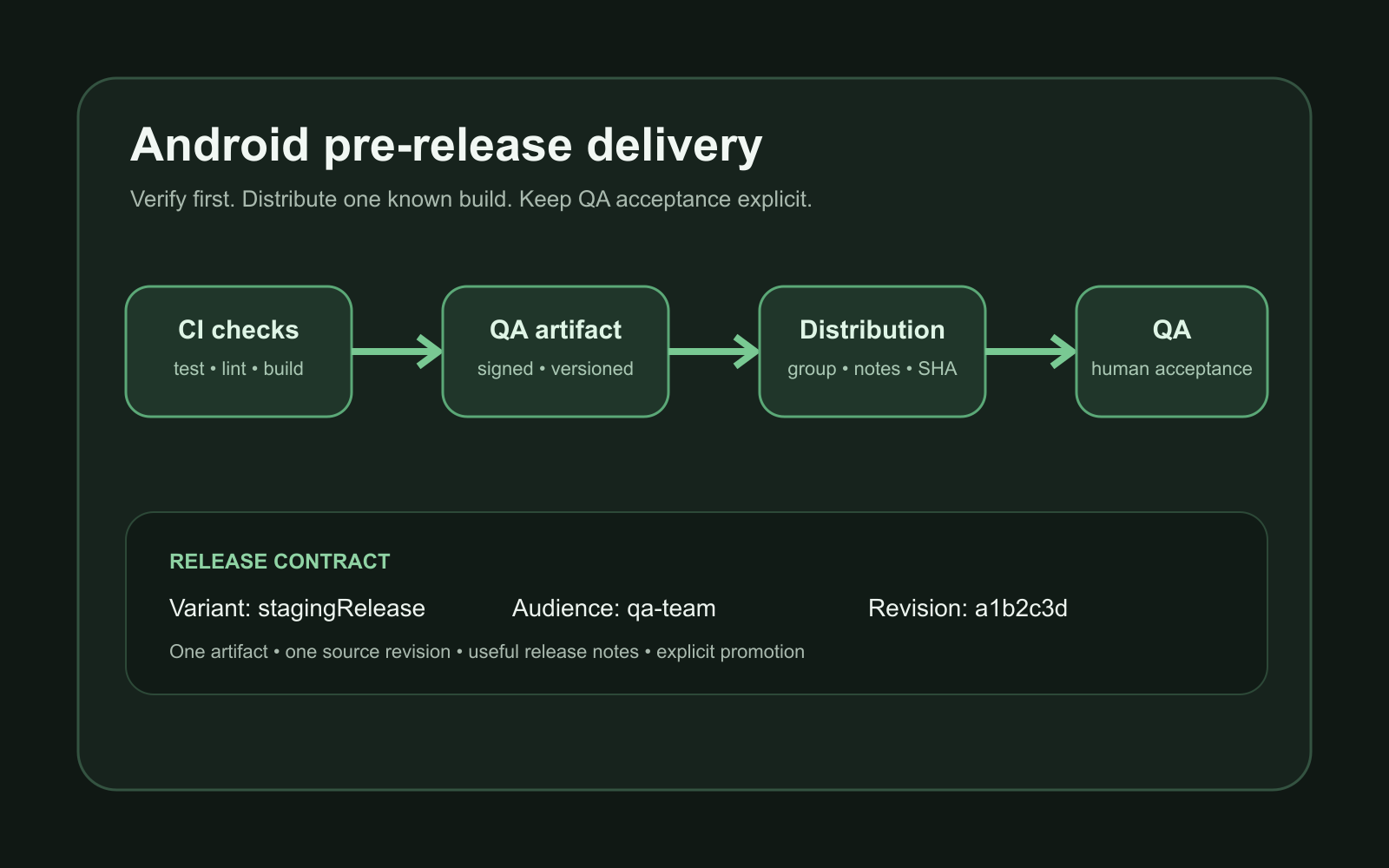
Build a reliable Android internal-testing workflow using Firebase App Distribution to handle CI uploads, tester groups, release notes, and installation friction.
Learn SAP ABAP and BW faster by mapping Python, Pandas, and SQL concepts to internal tables, Open SQL, ABAP Objects, CDS Views, and BW transformations.
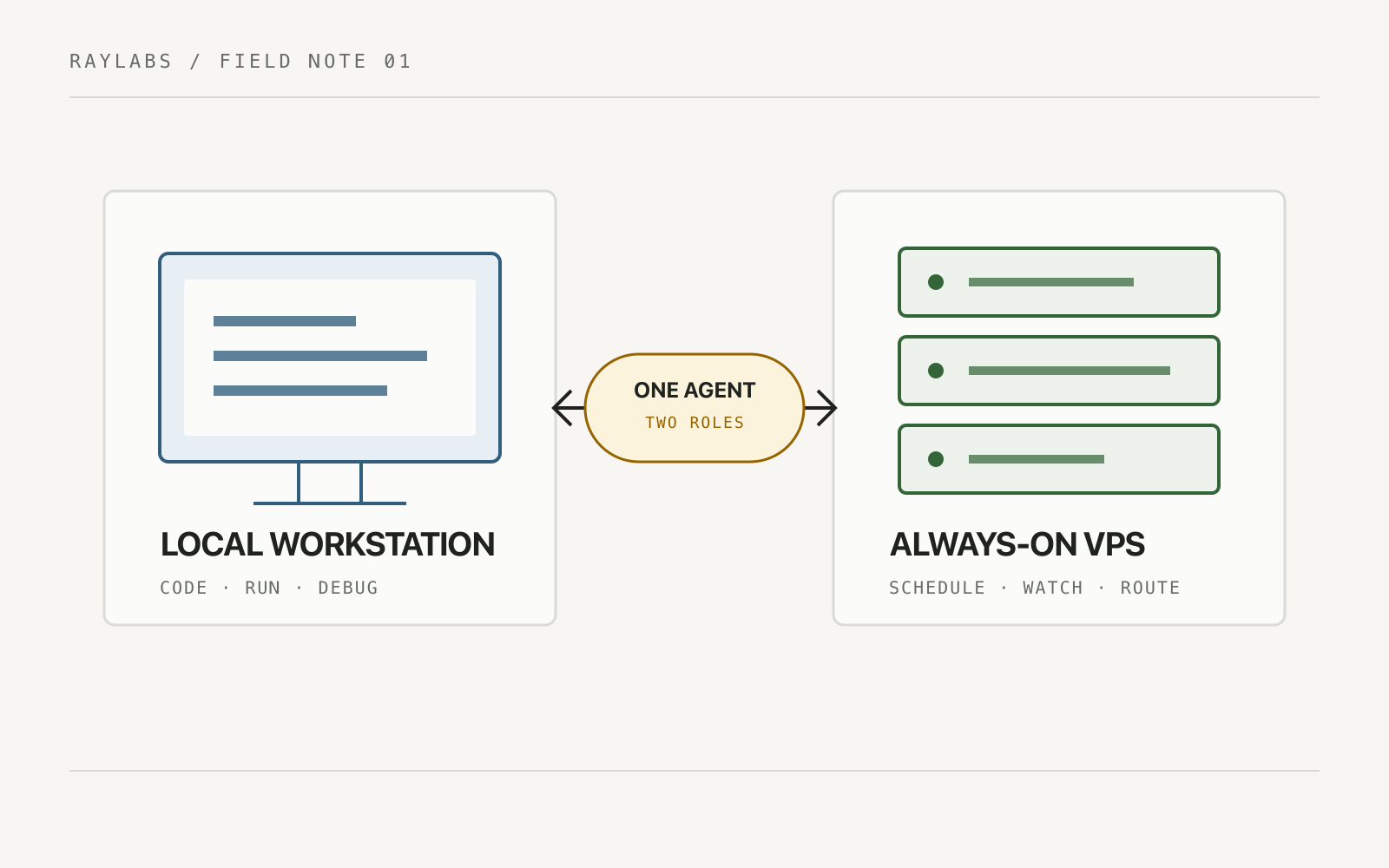
Learn how to build persistent AI-agent workflows that move safely between a laptop and VPS using durable task state, explicit checkpoints, and safe work ownership.
Build dynamic Android layouts in Jetpack Compose using server-driven UI schemas, unknown component fallbacks, and typed actions while respecting Google Play code execution policies.
Learn how to host branded subdomains on a single static site deployment using Cloudflare Pages edge middleware to prevent duplicate content penalties and handle clean routing.
How to design purpose-built activity landing pages that convert high-intent niche queries by pairing domain-specific engine mechanics with a rigorous anti-AI-slop design protocol.
Learn how to eliminate mobile Largest Contentful Paint delays by removing accidental lazy loading on hero images, injecting explicit preloads with high fetch priority, and pruning unused preconnect links.
Learn how to differentiate Android source-code products for crowded marketplaces using buyer outcomes, maintainability, documentation, testing, and defensible positioning.
Learn how an editorial pipeline finds relevant stock photos for abstract software engineering topics by translating technical jargon into searchable visual queries.
ADLC is emerging as a label for agent-first software delivery, but current frameworks disagree on phases, gates, and governance. Here is a practical way to evaluate them.
A practical architecture for automating SaaS workflows without a public API using supported boundaries, browser adapters, idempotency, verification, and manual fallback.
A practical way to choose between WhatsApp Cloud API, assisted workflows, and unofficial automation without turning a hobby project into an account-risk problem.
Learn how to harden a static-site publishing pipeline to prevent private repository links from appearing in public technical documentation and source metadata.
A practical release checklist for getting an Obsidian plugin from a working repository into the Community directory, including manifests, GitHub releases, automated review, and updates.
A comprehensive failure-first test matrix for Android Paging 3 screens, detailing refresh, append, offline recovery, empty results, and process death handling.
An in-depth technical guide on evaluating native Kotlin, legacy Java, and Flutter for production Android applications, covering dependency troubleshooting, build inspection, and release readiness.
Learn how to build a reliable serverless AI publishing pipeline using Cloudflare Workers, Workflows, and Gemini. This guide covers bounded retries, subrequest limits, idempotency, and Git SHA guards.
Diagnose Codex app-server SUN_LEN failures on macOS, shorten managed runtime paths safely, and preserve session continuity without moving your project.
An evidence-based guide for evaluating technical product roles by inspecting scope boundaries, decision rights, engineering partnerships, and delivery constraints.
Choose the right Android update path for Play-distributed apps, enterprise-managed fleets, and true OS OTA updates without mixing three different mechanisms.
Learn how to build a zero-dependency Node.js CLI script for syndicating technical articles to external developer networks while safeguarding your domain authority with strict canonical links and idempotent API updates.
A task-based guide to selecting the right AI assistant for coding, documentation, and automation workflows by evaluating model strengths and operational trade-offs.
A practical guide to designing small post-deploy sanity checks that verify the live release, critical dependencies, and rollback signals without duplicating CI.
A practical framework for comparing AI model leaderboards by task fit, uncertainty, cost, speed, and evaluation methodology instead of trusting a single rank.
A practical compatibility strategy for teams that must keep Android 6 and 7 devices working while the application, dependencies, and target SDK continue to move forward.
A practical migration checklist for moving registrars, DNS, or hosting without confusing those operations or accidentally changing URLs, mail records, DNSSEC, or SEO signals.
Separate workflow orchestration from model routing so multi-agent systems can choose the right worker and the right model without duplicating control logic.
A practical policy model for mandatory Android updates that separates backend compatibility from installation, handles offline devices, stages rollouts, and preserves recovery paths.
Design an Android event pipeline that captures locally first, survives connectivity loss, retries safely, and verifies that records remain retrievable end to end.
A practical Android pattern for combining CameraX ImageAnalysis with ML Kit while controlling backpressure, rotation, model startup, and analyzer cleanup.
A practical way to choose Copilot CLI models by task complexity, cost, context size, and failure risk instead of defaulting to the most capable option.
A guide to ensuring consistent input handling for serverless workflows by normalizing payloads across both in-process worker bindings and direct API triggers.
A practical decision guide for choosing SonarQube Cloud or SonarQube Server for Android CI based on hosting, network boundaries, operations, and Gradle analysis.
Learn how to prevent corrupt Markdown and broken image assets in automated publishing pipelines by implementing strict byte-level validation and deployment contracts.
A practical guide to keeping Android apps responsive on memory-constrained devices by measuring the working set, controlling bitmaps, releasing caches, and testing real process pressure.
A practical migration path from SharedPreferences to Jetpack DataStore that preserves existing settings, avoids dual-write traps, and keeps reads reactive.
Explore when a remote-only Android repository is the right design choice, how to manage lifecycle-safe flows, and how to structure reactive data sources without a local database.
Choose Kotlin, Java, or Flutter using platform scope, native API depth, team skills, migration cost, testing, and long-term ownership instead of popularity.
A practical guide to building zero-dependency edge architectures for autonomous AI agent discovery, cryptographic verification, and machine commerce protocols.
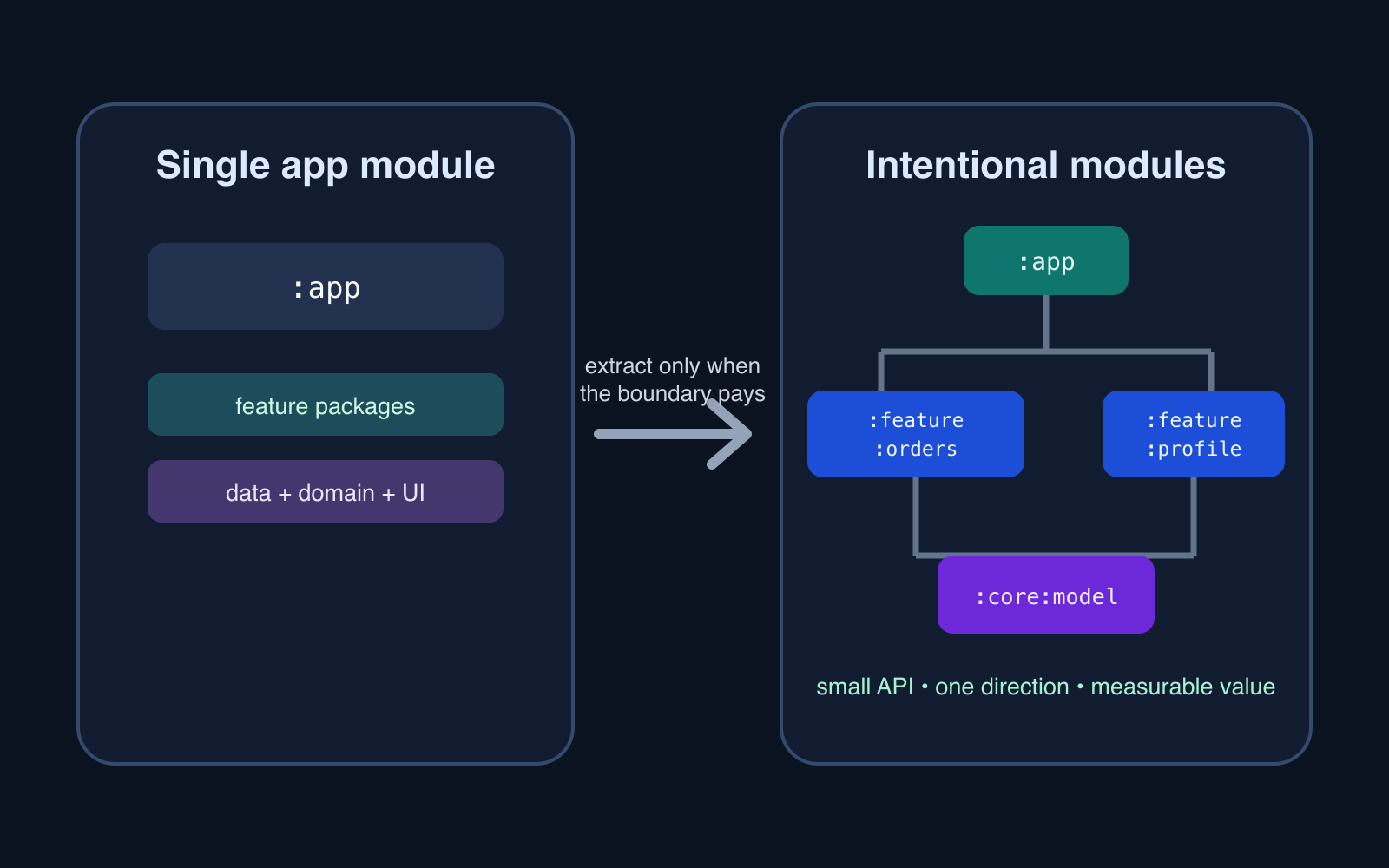
A practical guide to deciding when Android modules help, what boundaries to extract first, and how to avoid turning modularization into architecture overhead.
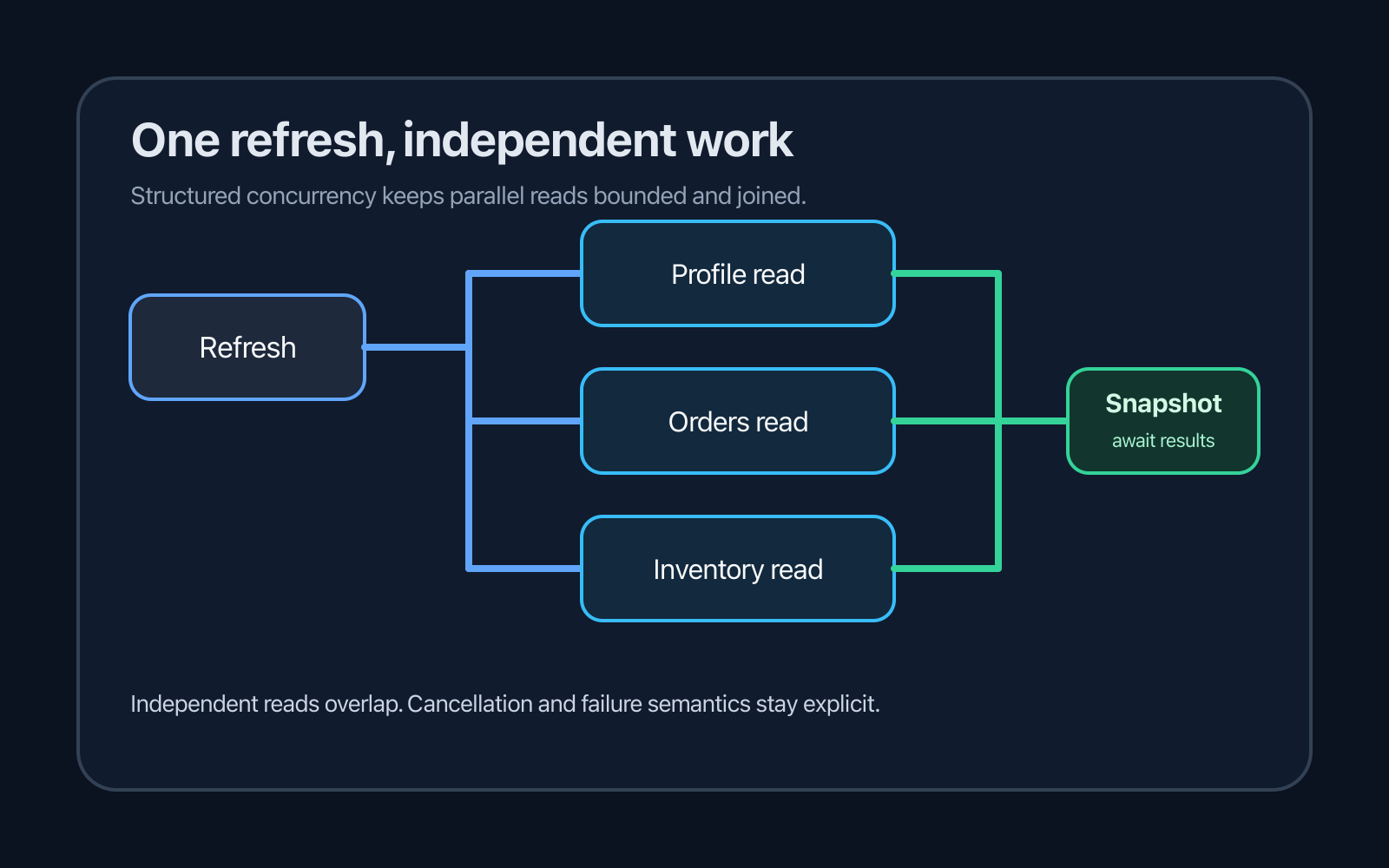
Learn when Android repository calls can run concurrently, how structured concurrency changes failure behavior, and how to test parallel refreshes safely.
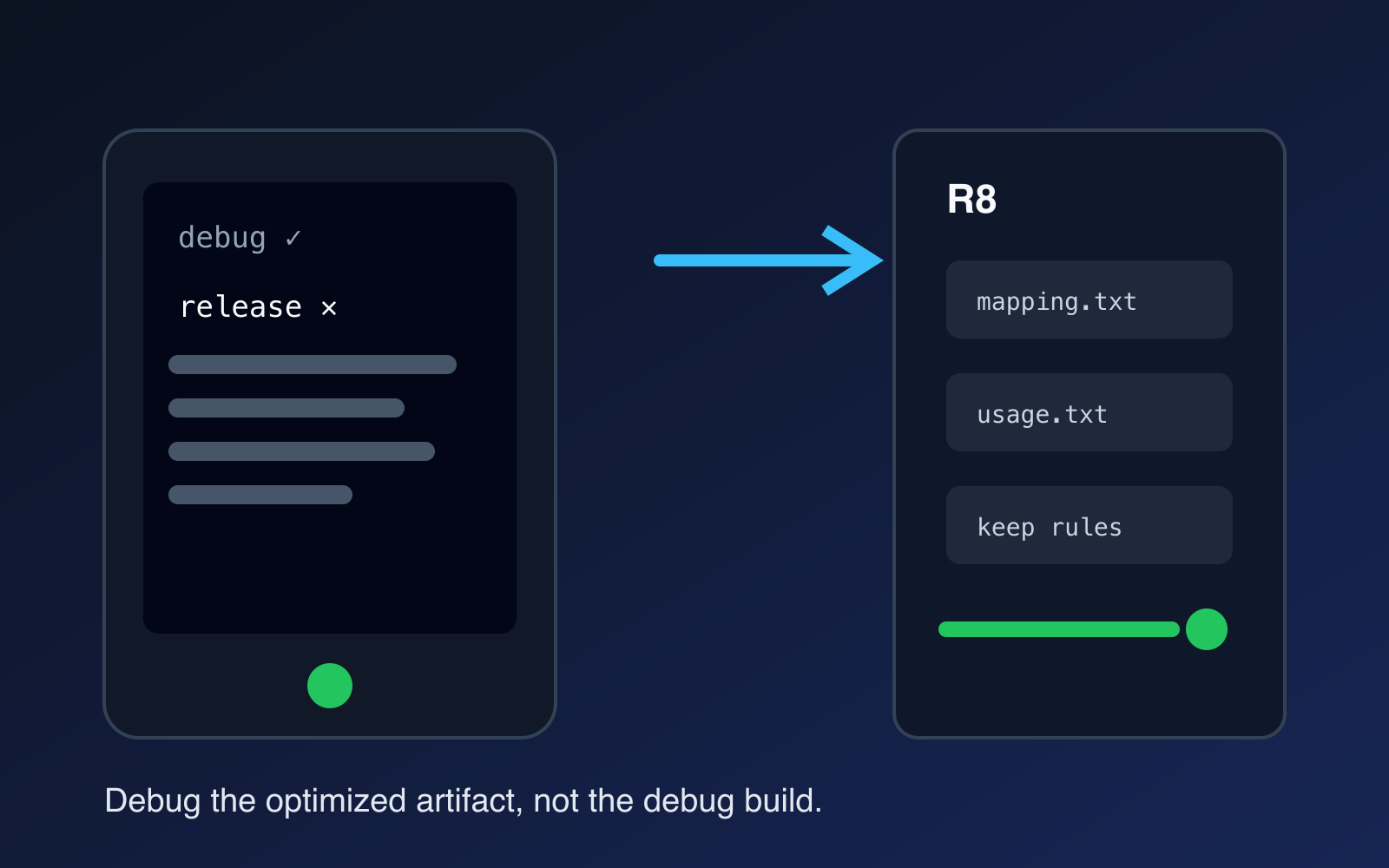
Debug Android bugs that appear only after R8 optimization by reproducing the release artifact, retracing mappings, finding dynamic runtime edges, and writing narrow keep rules.
Build a practical Android static-analysis pipeline with Android Lint and Detekt, clear ownership, baselines, variant-aware checks, and CI gates developers can trust.
Design a reliable Android photo upload flow for Google Drive with explicit ownership, narrow OAuth scope, stable folder IDs, retries, and observable upload state.
Learn how to eliminate white flashes of unstyled content during page loads by combining Cloudflare Rocket Loader bypass strategies with CSS media query fallbacks.
Build a reliable CameraX photo capture flow with lifecycle-bound use cases, explicit output ownership, rotation handling, and retry-safe post-processing.
A practical framework for choosing between hosted publishing, self-hosted WordPress, and a Git-backed static site without treating SEO as a platform checkbox.
Learn how unconfigured publisher widgets inject broken modal dialogs on mobile screens, and discover how to safely install behavioral analytics with sub-50ms Web Vitals.
Learn how to eliminate dark mode flashing, known as FOUC, by removing global CSS root transitions and using synchronous inline scripts. Fix broken social media previews by implementing a robust raster OpenGraph pipeline.
Learn how to configure Microsoft Family Safety on Windows 11, manage screen-time and app limits, troubleshoot missing activity reports, and understand privacy boundaries.
A technical guide detailing how to implement route-by-route structured data and OpenGraph metadata across static websites to fix missing social cards and establish robust search engine knowledge graphs.
An exploration of the mechanics behind clearing application data on Android devices, covering local databases, cache separation, state reset behavior, and backend synchronization.
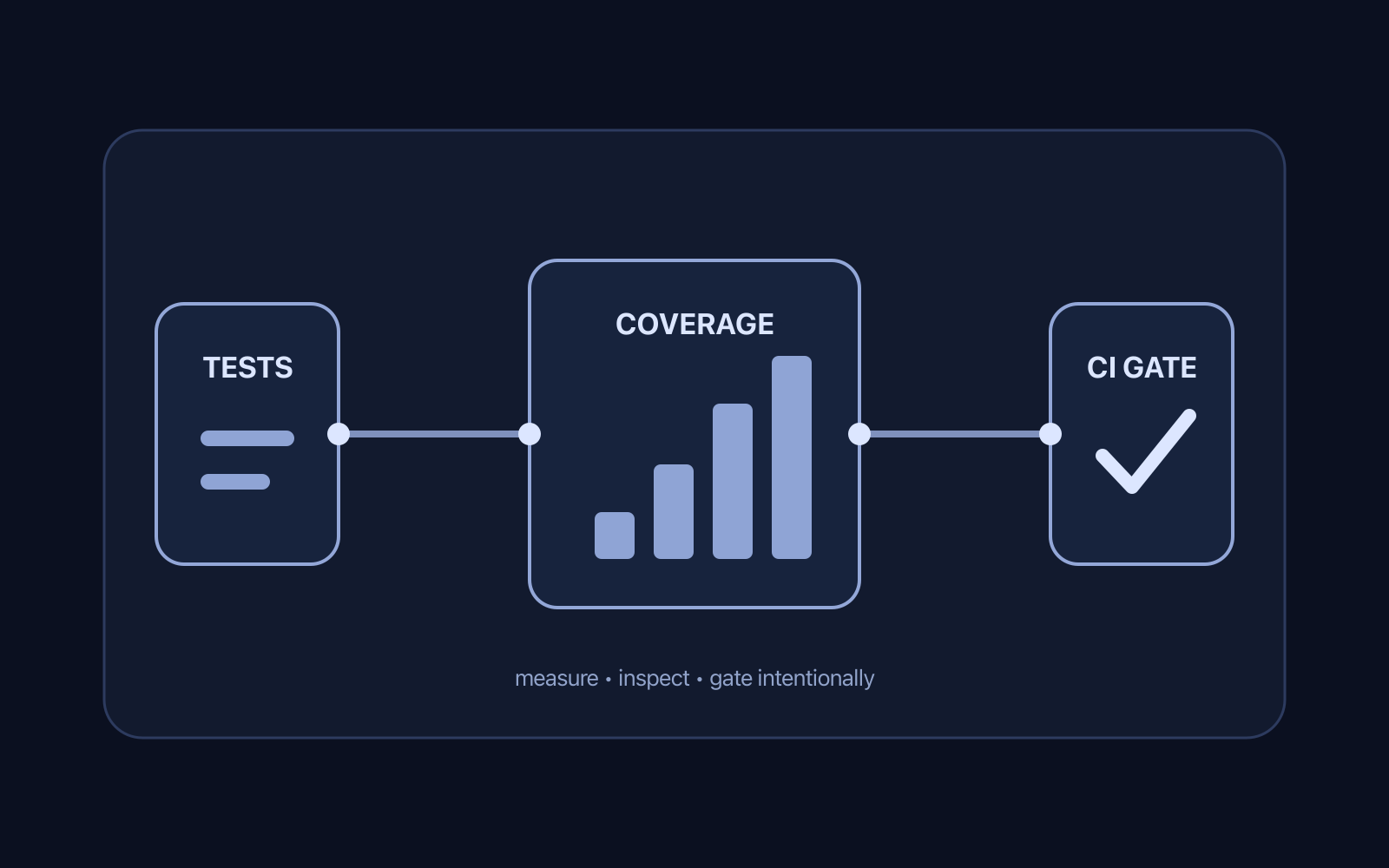
Build useful Android coverage gates with JaCoCo, variant-aware reports, CI artifacts, and thresholds that protect behavior instead of rewarding test-count theater.
Use ConnectivityManager and NetworkCapabilities as signals, not promises, and design Android networking around validated state, retries, and real request outcomes.
A practical debugging workflow for duplicate Android notifications, covering FCM payload ownership, stable notification IDs, PendingIntent identity, and idempotent handling.
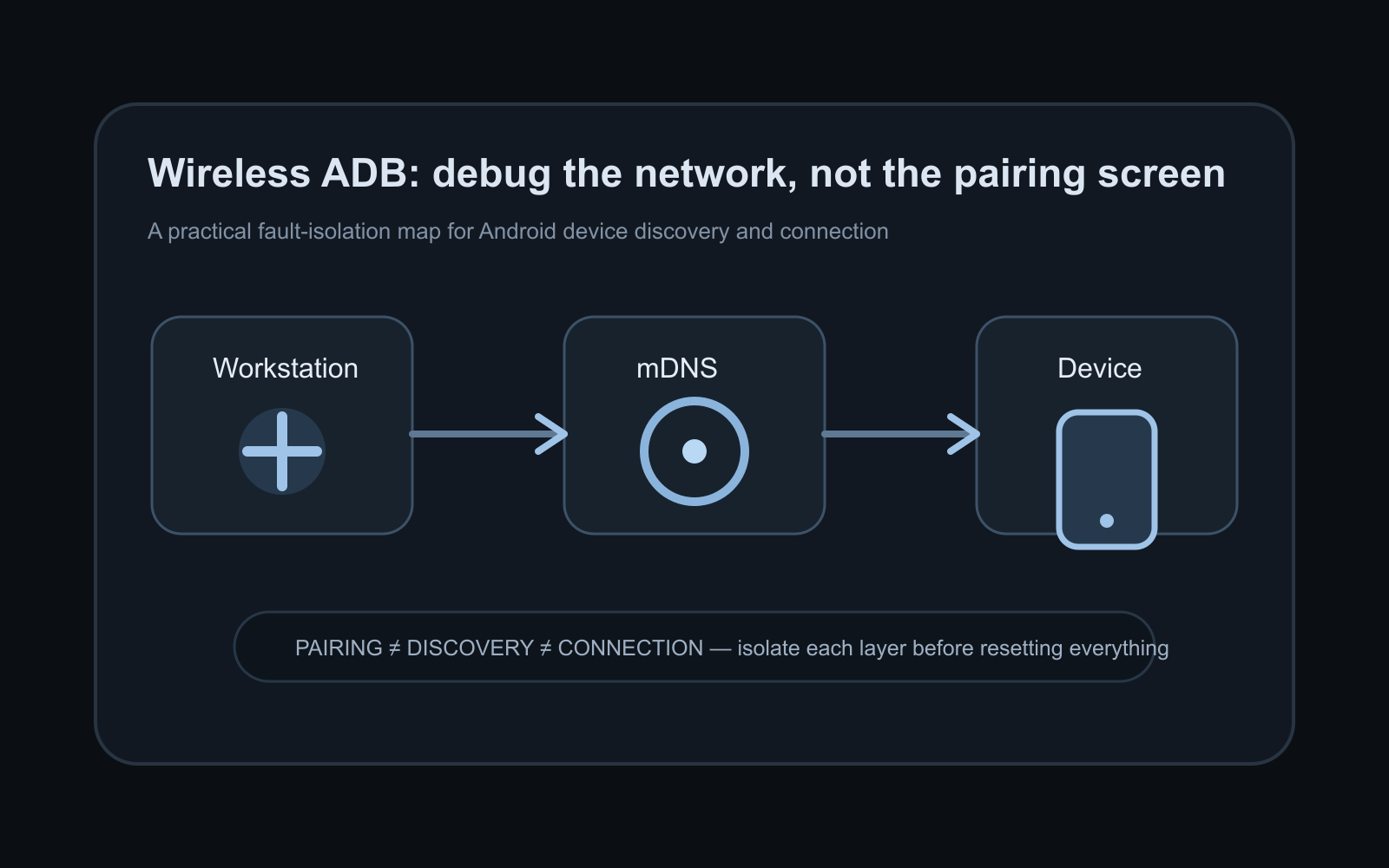
Fix an Android device that does not appear in Android Studio or ADB by isolating USB transport, device authorization, ADB state, and host driver problems.
A practical pattern for Android mutations that succeed before a follow-up refresh fails, without lying to the user or turning Compose callbacks into orchestration code.
Choose between Android WebView and Custom Tabs by comparing ownership, security, browser state, UI control, authentication, lifecycle cost, and testing.
Learn how to build a resilient, data-driven AI content publishing pipeline on Cloudflare Workers and Cloudflare Workflows, eliminating hardcoded fallbacks and race conditions.
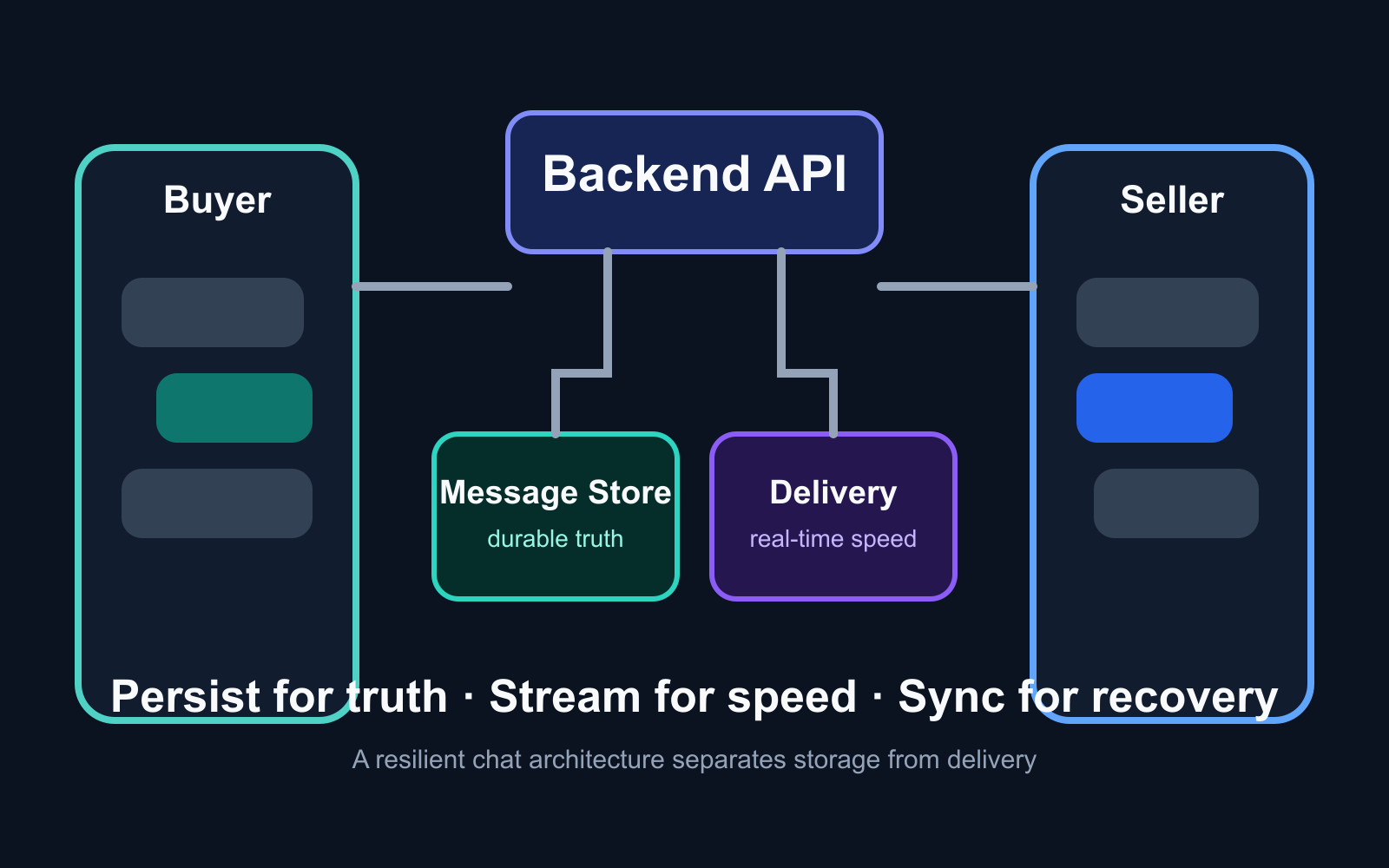
Design a chat system that treats message persistence, real-time delivery, retries, ordering, and presence as separate responsibilities instead of one fragile socket flow.
Use Google Sheets as a lightweight backend for an internal Android app without turning spreadsheet access, row updates, and credentials into production liabilities.
An architecture guide for remote developers and home lab operators looking to design a reliable, secure home network topology that balances wireless coverage with stable wired capacity.
A comprehensive guide on measuring Windows network throughput using modern built-in utilities like Task Manager and PowerShell performance counters without relying on obsolete software.
Design a reliable off-Play Android update flow with signing continuity, version checks, package verification, user consent, and observable install states.
Use a lightweight session handoff to preserve decisions, verification evidence, unresolved risks, and the next exact step across long-running engineering work.
A practical guide to reusing spare hardware as a secure home server, covering OS selection, headless administration, safe remote access, and backup strategies.
A detailed technical guide explaining when to use Sleep, Hibernate, Shut down, or Restart on Windows 11, including how Fast Startup and Modern Standby affect battery drain and session recovery.
A practical decision guide for choosing WorkManager or AlarmManager based on timing precision, persistence, constraints, retries, and user-visible intent.
Use deterministic workflow automation for predictable work and AI agents for ambiguous decisions. A practical framework for choosing where each belongs.
Learn how to build a safe, isolated Linux and Kali Linux laboratory in VirtualBox, focusing on network modes, safe snapshot workflows, and security boundaries.
Learn how to choose safe HTTP caching headers for static websites and CDNs by mastering Cache-Control directives, content-hashed filenames, and validation.
A verification-first guide to installing MySQL 8.4 locally, starting the service, creating a least-privilege development user, and running a basic validation test.
Learn how to establish a robust and reproducible Android development environment, covering IDE installation, SDK management, and device testing trade-offs.
Explore the structural patterns, tool permissions, and human approval gates required to build reliable, always-on AI agent architectures using GitHub Actions and automated backends.
A systematic way to diagnose Android crashes that appear only after R8 optimization, from retracing stack traces to writing the narrowest keep rule that fixes the real boundary.
A practical technical guide for setting up a reproducible Android CI workflow using GitHub Actions and Gradle, focusing on caching strategies, test execution boundaries, and failure diagnosis.
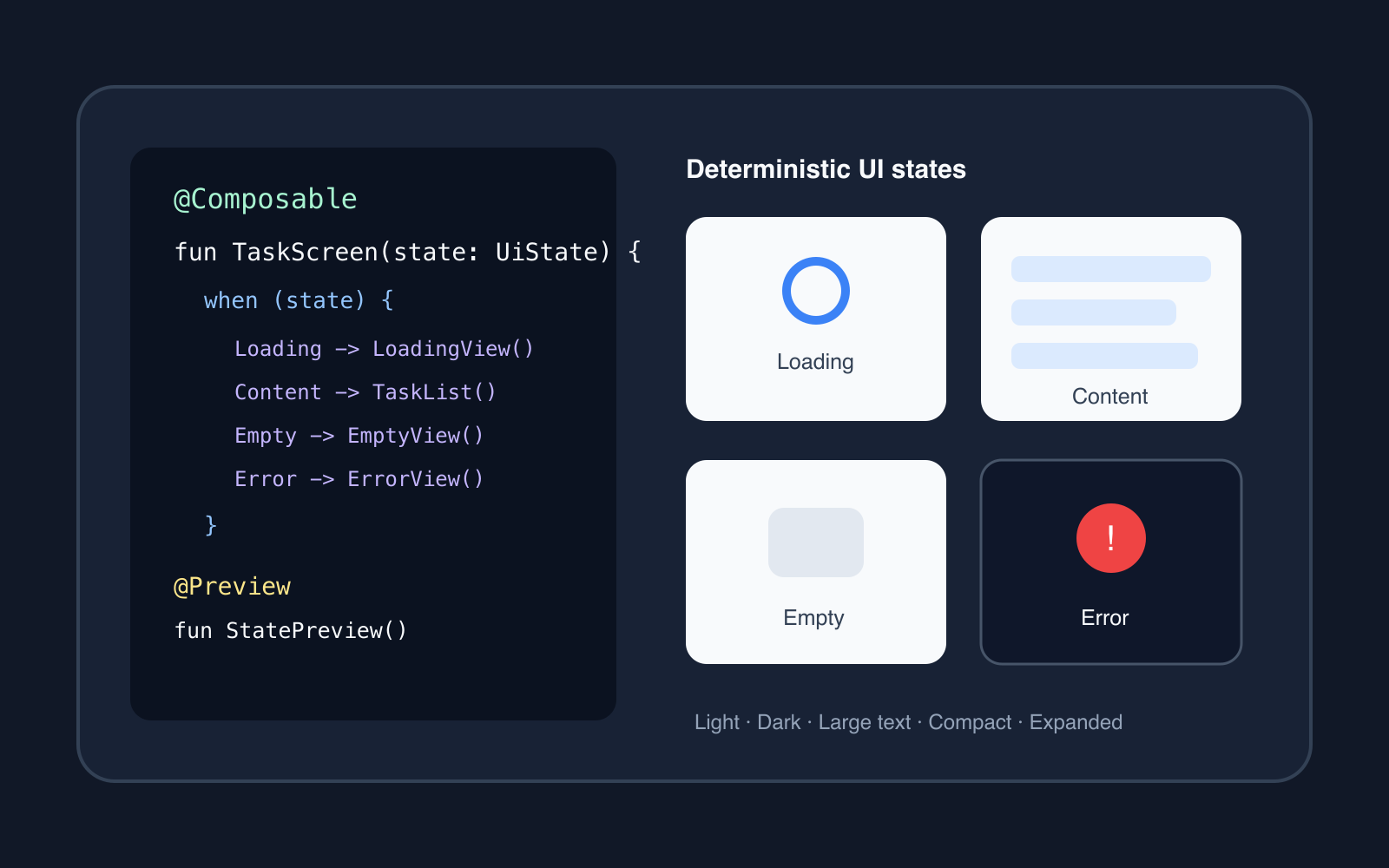
Learn how to choose and apply Jetpack Compose testing APIs for semantic assertions, handle UI test failure diagnostics, and structure deterministic component tests.
A practical guide to implementing View Binding in Android activities, managing view references safely, handling included layouts, and avoiding common lifecycle traps.
A practical guide to Android update architecture: Play In-App Updates, Remote Config, server-driven UI, dynamic code limits, and why Flutter code push does not map cleanly to native Kotlin.
An architectural exploration of integrating autonomous AI agents like Codex into backend workflows, balancing local context isolation with strict evaluation loops.
Learn how to build a robust camera capture workflow in Kotlin for Android applications, covering permissions, lifecycle management, and image processing.
A troubleshooting guide for diagnosing and resolving malformed JSON errors during Android builds, Gradle tasks, and automated GitHub Actions workflows.
Learn how to model and format date and time in Android with Kotlin by separating absolute instants, local calendar values, time zones, localization, and testable presentation logic.
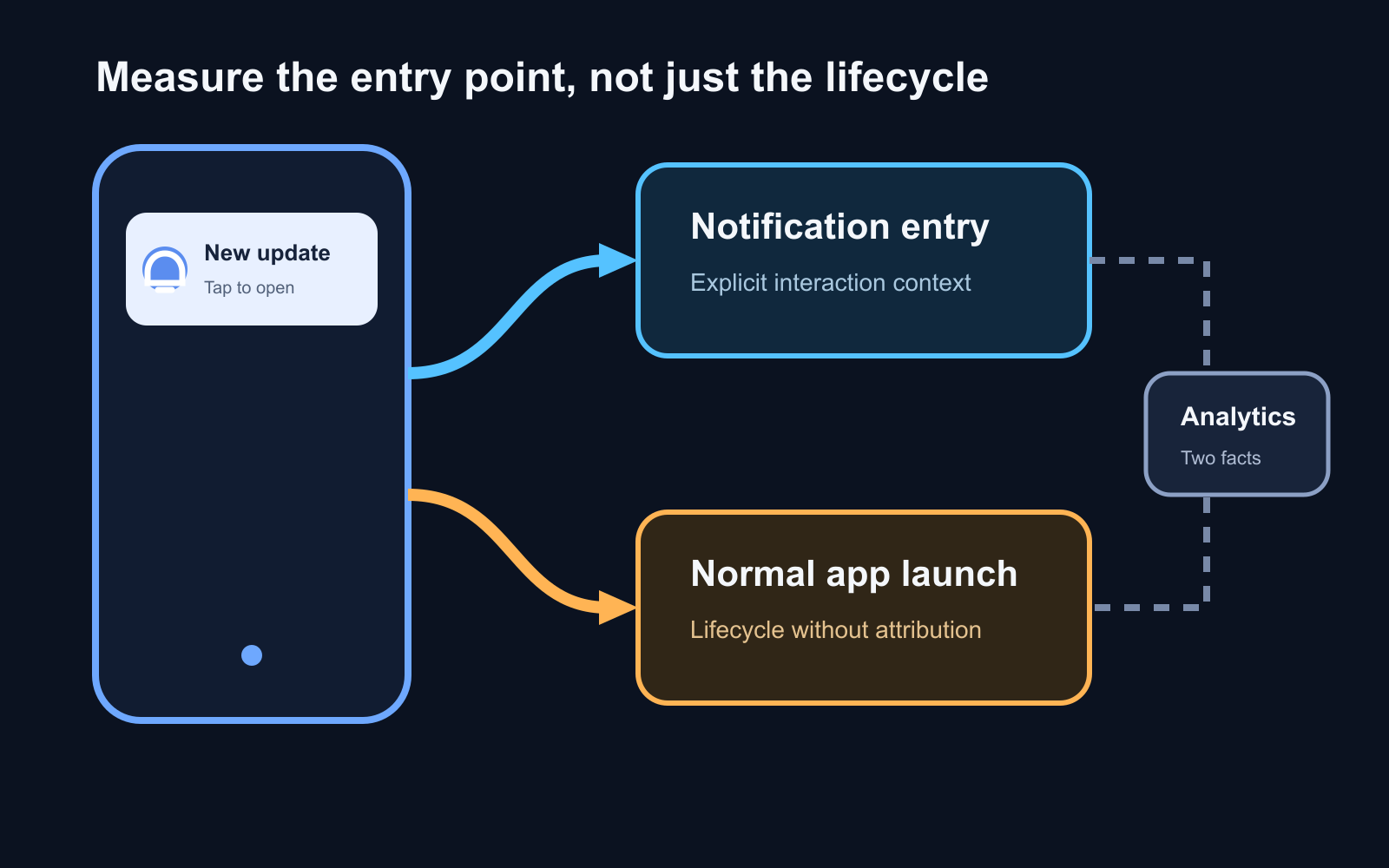
A practical guide to Firebase Cloud Messaging observability that separates send acceptance, aggregated delivery, app processing, and user interaction instead of treating one success response as proof of delivery.
A practical Android debugging guide for duplicate Firebase Cloud Messaging notifications, covering notification vs data payloads, sender duplication, stable event IDs, and local idempotency.
Plan enterprise Android architecture around change boundaries, ownership, reproducible Gradle configuration, state recovery, module contracts, and risk-based CI instead of treating modularization as a folder exercise.
A practical Android ViewModel testing guide for StateFlow and coroutines, with deterministic scheduling, state-transition assertions, fakes, failure cases, and testability trade-offs.
A practical architecture guide to Android Paging 3 with Kotlin Flow, Room, and RemoteMediator, focused on source-of-truth decisions, refresh semantics, failure states, and offline behavior.
Design a safer AI-assisted Android development workflow with scoped patches, reproducible Gradle validation, dependency checks, risk-based test gates, and human approval.
A practical guide to choosing val or var, designing function boundaries, and keeping Android state ownership explicit instead of spreading mutation across the UI.
A practical framework for estimating mobile app projects by separating app work, backend dependencies, integrations, QA, release work, and uncertainty before committing to a budget or timeline.
A practical software architecture review checklist for finding production risk across boundaries, data, failure modes, security, observability, delivery, and ownership.
Learn how to speed up Node.js CI and template deployments with reproducible installs, lockfile-aware dependency caching, and zero-build runtime patterns.
Learn how to clean generated build artifacts safely in CI by separating disposable workspace output from caches and release artifacts, then verifying the pipeline from a clean checkout.
A practical architecture guide for Android apps that read from Room, synchronize with a remote backend, support offline writes, and recover predictably from failures.
A practical architecture guide to Android multi-module navigation in Kotlin, covering API/implementation boundaries, typed routes, dependency injection, deep links, testing, and migration trade-offs.
An exploration of Model Context Protocol integration patterns, examining how developers connect AI assistants to external databases and services without compromising security boundaries.
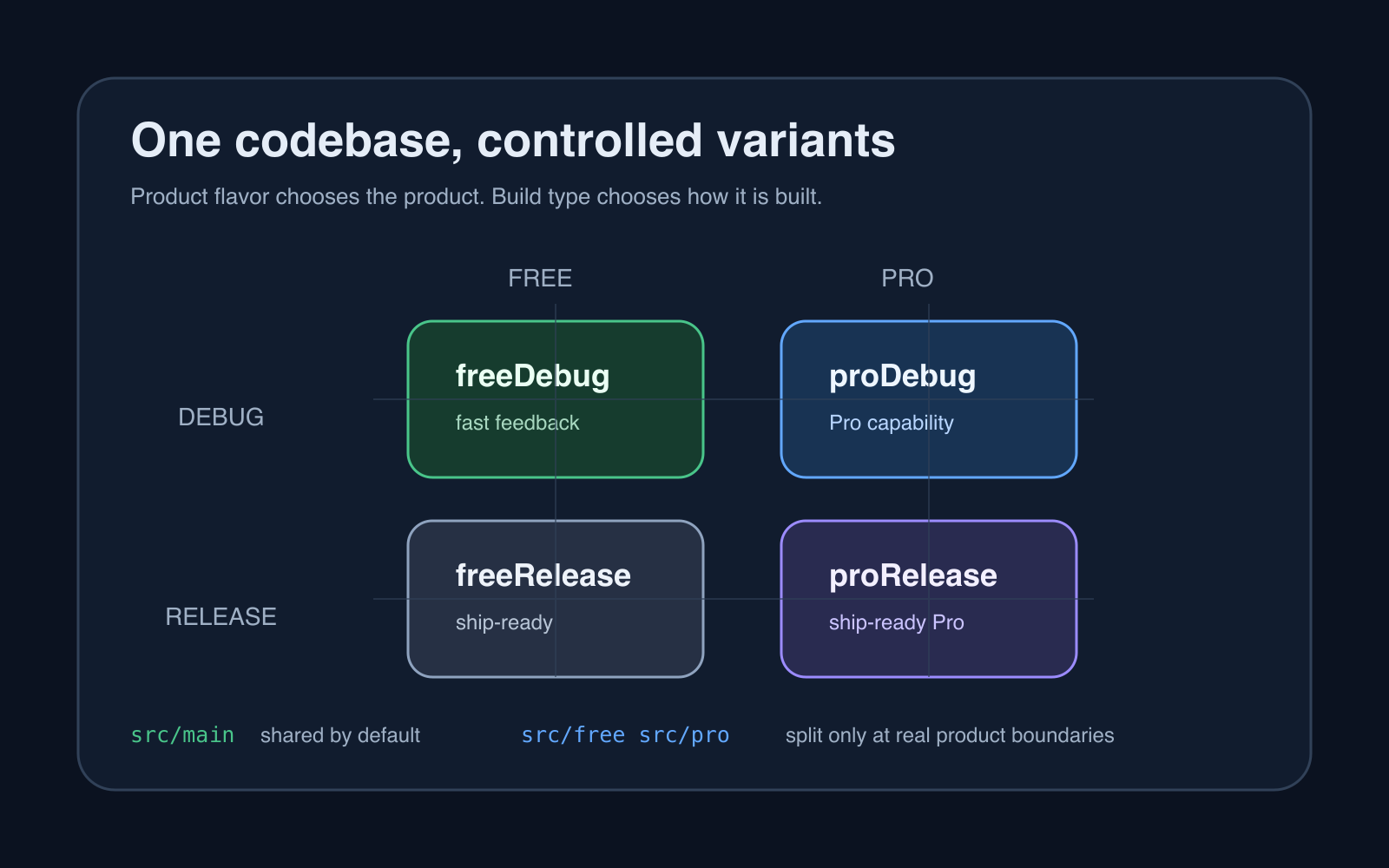
A practical guide to analyzing technical review feedback for Android applications built with product flavors, automated CI/CD pipelines, and local databases.
A technical troubleshooting guide for resolving build failures, configuration mismatches, and execution exceptions during the Kotlin Annotation Processing Tool process.
A practical technical guide on managing background database operations, formatting escape sequences, and handling state for Bluetooth receipt printers in Android applications using Kotlin and Jetpack Compose.
Understand how to monitor Firebase Cloud Messaging delivery and track notification interaction states without relying on unsupported client-side SDK query APIs.
A practical guide to architecting mobile applications with feature parity, covering cross-platform trade-offs, API design contracts, and modern verification workflows.
Learn how to orchestrate a smooth software release by defining clear ownership, explicit operational calendars, and resilient verification steps for backend and frontend updates.
An exploration of architectural decisions, dependency management trade-offs, and verification strategies when splitting a monolithic detail screen into dedicated modules.
Learn how to build robust calendar date calculations and predictive modeling structures in modern Android applications using Kotlin, Jetpack Compose, and architectural separation.
An in-depth technical guide examining how to design local LLM automations, native mobile architectures with Jetpack Compose, and robust DevOps pipelines for modern AI industry projects.
Explore how to design a robust MD5 Kotlin helper for modern Android applications, focusing on version compatibility, Gradle setup, and safe resource retrieval.
An editorial analysis of how to balance high-effort reasoning models, lightweight mini models, and secondary AI subscriptions like Claude to optimize developer productivity and token usage.
Explore how Dart operates as an independent, multi-paradigm programming language alongside Flutter, and learn practical strategies for testing, debugging, and structural design.
An exploration of how deployment validation, cutoff date logic, and testing schedules impact system integrity and link accessibility in production environments.
Learn how to architect a robust, testable photo backup workflow for mobile applications using modern architecture patterns, reactive streams, and deterministic testing strategies.
A practical guide to resolving factory instance creation errors in Android development by analyzing dependency injection, ViewModel scopes, and module boundaries.
An exploration of formatting geographic coordinates and resolving short location names efficiently within modern mobile applications using asynchronous Kotlin patterns.
Explore why mobile machine learning tools like ML Kit rely on cloud infrastructure and how to architecture your client applications for backend dependence.
An examination of how assistant-side development decisions, ecosystem integrations, and distinct architectural choices shape the utility of major AI platforms.
A technical guide on diagnosing and preventing memory leaks in Android applications using proper lifecycle management, architecture patterns, and dependency injection.
A practical guide to Android pagination with Room, Kotlin Flow, Paging 3, and RemoteMediator, focused on architecture decisions, failure modes, and offline behavior.
A practical checklist for Android developers to make features resilient to process death, unreliable networks, large datasets, database changes, and system-level integration failures.
A comprehensive guide on creating technical README instructions that promote resiliency, ease of setup, and long-term maintainability for Android software projects.
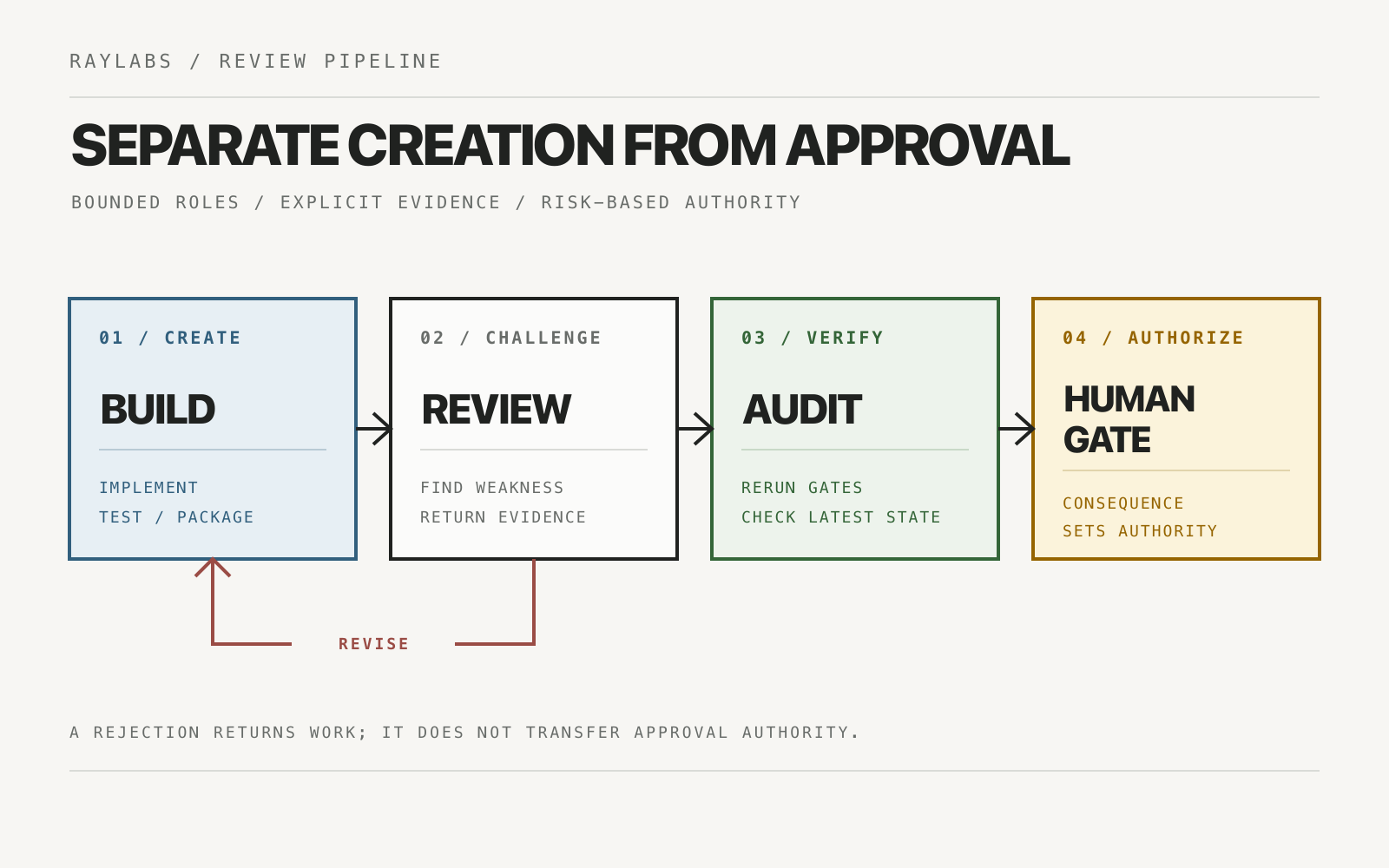
A multi-agent review pipeline for AI coding work separates implementation, independent review, final audit, and risk-based human approval with clear evidence.
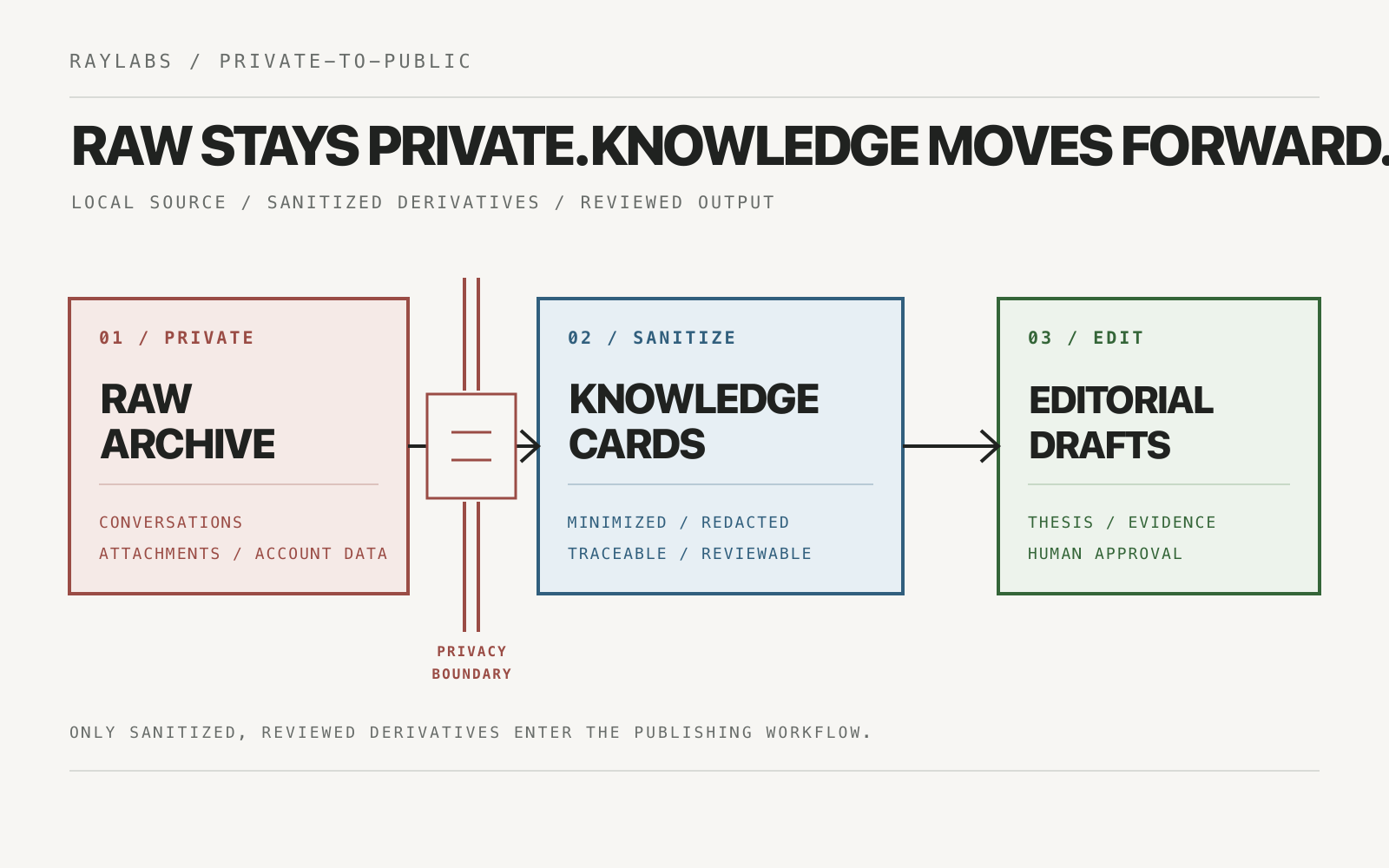
Turn a ChatGPT export into reusable technical notes with a local-first workflow that keeps raw conversations, attachments, and publishing inputs separate.